Start your claim now

If you’ve gone to work, taken the kids to school or frankly done anything that’s required leaving the house in the last few days, then you will no doubt have experienced the effects of Storm Ciara.

With Storm Dennis now forecast to be hitting British shores by the weekend, we are likely to continue experiencing disruption to public transport, sporting fixtures and our daily lives for the foreseeable future too.

This bout of bad weather has meant that, in recent days, it has been hazardous to walk down the street – even in areas that haven’t experienced flooding thankfully, there has still been large volumes of ground water, as well as black ice in some parts, on pavements and roads.

Add to this the high winds, fallen trees and blizzard conditions that we’ve had, and it would be fair to say that it has also been treacherous to drive on UK roads the past few days, thereby increasing the likelihood of accidents happening.

It is the responsibility of your local council to ensure that the highways and byways around you – this includes both the roads and pavements – are cleared and gritted in icy and windy conditions and so, safe to travel on. Similarly, it is the duty of Highways England to make sure that the nation’s motorways are safe for motorists to use, while it is the responsibility of Transport Scotland north of the border.

If this is not done, and you are involved in a road traffic accident (RTA), or suffer a slip, trip or fall while walking down the street, you may be entitled to compensation.

At The Compensation Experts, we work with specialist law firms who have a track record of making successful compensation claims against local councils and after RTAs have occurred. We and the legal firms we work with have a lot of experience with these types of cases and so, are well-placed to help you get you the maximum amount of compensation.

If you have been involved in a road traffic accident or have sustained any type of injury while out in public the last few days, the stormy conditions we have been experiencing are not an excuse. Therefore, you may be entitled to compensation.

Do not hesitate to contact The Compensation Experts via the contact form on our website or by calling 0161 413 8765.

Do you want to make a claim after an accident or injury that wasn’t your fault, but aren’t sure how long you have to make it? Here’s everything you need to know about the personal injury claim time limit in the UK.

What is the statute of limitations in the UK for personal injuries?

Sometimes, when you’re eligible to make a compensation claim, you may not be ready to pursue it straight away. Of course, this may lead you to worry about exactly how long you have to make your personal injury claim.

Fortunately, UK law has safeguards in place to ensure that there is a reasonable timeframe in place within which you can make your claim.

This time limit is known as the statute of limitations. UK law incorporated its use as part of the Limitation Act established in 1980. It serves two purposes:

  • To ensure all evidence gathered for personal injury cases is as recent as possible.
  • To protect defendants against persistent fear of litigation.

The personal injury claims time limit in the UK is set at a three-year maximum, however, there are exceptions to the rule. If you’re unsure whether your personal injury claim falls under the normal personal injury claim time limit in the UK, it’s best to speak to a personal injury lawyer at the first possible opportunity. We work with expert panels of solicitors and lawyers, so we can help you find the right solicitor for you.

When does the limitation on personal injury claims take effect?

Typically, your personal injury claims time limit will begin from the moment you first become aware of your injuries or illness. In most instances, this will be the date on which your injury was suffered.

However, as the symptoms of many medical conditions, such as industrial diseases, can take months or even years to manifest themselves, the potential start date for your personal injury claim time limit can vary.

It’s important to note that you should seek medical attention as soon as you discover your injury or illness. Not only will this ensure timely treatment for serious cases, but it will also ensure that your claim for compensation is unimpeded by accusations that you contributed to your own condition by failing to have it treated in time.

Exceptions to the UK limitation on personal injury claims

As mentioned, there are a few exceptions when it comes to particular cases of personal injury. These adjustments to the UK personal injury claims time limit often occur due to a claim conflicting with other legislation, or instances in which a claimant is unable to support their claim for one reason or another.

If your injury or illness falls into one of the following categories, your personal injury limitation may potentially differ from the standard three years.

The Athens and Montreal Conventions

The Athens and the Montreal Conventions (1974) are a specific set of rules that dictate the personal injury claims time limit someone injured at sea or on board an aeroplane has to make their claim.

These conventions apply to those who are residents of the UK and in other countries in which they have been ratified. They actually reduce the personal injury claim time limit of a claimant to two years rather than three. Therefore, if you were injured in one of these settings, you should look to pursue your claim as soon as possible.

It is important to note that this does not apply to any injury or illness suffered aboard. In these cases, you’ll need to speak to a solicitor for advice on how to pursue your claim.

Personal injury claims time limits that conflict with the Consumer Protection Act

In the cases where personal injury claims conflict with the Consumer Protection Act, injuries caused by a product you purchased may be claimed within three years from the injury date, provided that the product has been available in the UK for less than ten years.

The longer a product has been in circulation without recall, the lower the personal injury claim time limit in the UK. For example, if you were to sustain an injury because of a product nine years after it was released onto the market, you would only have one year in which to claim public liability compensation.

Personal injury claims time limits for personal injury claims involving children

Individuals under the age of eighteen are not legally allowed to pursue a compensation claim or instruct a solicitor when pursuing a personal injury claim. Thus, the personal injury claim time limit in the UK of three years cannot be applied.

However, a parent or guardian may initiate a claim on behalf of a child before they reach adulthood, in which case, you will still have three years to make the claim.

Alternatively, an under-aged individual can wait until they are old enough to pursue a claim on their own. In this scenario, the limitation on personal injury claims would begin from the moment they turned eighteen.

What is the statute of limitations in the UK under the Mental Health Act or after suffering catastrophic brain injury?

Under the UK Mental Health Act (1983), a claimant must possess the cognitive ability in order to be able to pursue a claim for compensation.

If an accident victim is left comatose by an accident, has reduced cognitive ability, or has suffered irreparable trauma to the brain, the time limit imposed by the UK Statute of Limitations for personal injuries is paused until the person regains the mental capacity to be able to pursue a claim.

However, if a person is unable to regain their cognitive ability due to a serious injury, a claim can be made on their behalf by a Litigation Friend under the standard three-year limit.

Are there extensions for the standard personal injury claims time limits?

In certain special circumstances, an individual pursuing a personal injury claim may be granted an extension on their personal injury time limit in the UK. However, these extensions to the UK Statute of Limitations for personal injuries may only be granted by a court.

There is also what’s known as the concept of a “Standstill Agreement”, which effectively stops the clock on claims for a set period of time. But the use of this measure must be agreed upon by all parties beforehand in order for it to be implemented.

Using the statute of limitations in the UK

Considering the implications the UK Statute of Limitations for personal injuries may have on your claim for compensation, you should always seek to pursue your claim as soon as possible.

Although two or three years may seem like ample time in which to pursue personal injury claims, preparing a compensation claim can sometimes be a long and complex process, so starting your claim as soon as possible will give you the best possible chance of success.

As mentioned above, several instances exist in which the time limit for claims in the UK can be reduced or extended. For this reason, it’s imperative that you speak with a personal injury claims solicitor about the time limit on compensation claims in the UK and the impact it may have on your claim.

If you’re looking to get started on making your personal injury claim, you can get in touch with our experts today at a time of your choosing. Here at The Compensation Experts, our team works with qualified solicitors with years of experience handling personal injury claims.

Once we’ve found one to your liking, they’ll walk you through the claims process, help you estimate how much you could potentially claim, and then keep you informed as your claim progresses.

It was interesting to note the coverage the so-called ‘National Sickie Day’ received earlier this week.

While the BBC played it with a very straight bat, other media sources took a more light-hearted approach with both The Sun and The Daily Star focusing their coverage on what they considered to be the weirdest and worst excuses for employees calling in sick.

What the BBC chose to focus on is certainly of concern though, with the broadcaster highlighting a survey showing around 8.6 million UK workers took sick days last year because they found their job “too painful” with 12 million workers going into work while genuinely sick. The survey, conducted by Kantar, was of 1,246 working adults and was then weighed to reflect the wider working population of almost 33 million people.

While you may arguably need to take the researchers’ claims that work culture, colleagues and workloads were to blame with a pinch of salt to an extent given the numerical claims have been weighed, other sources do support such claims, as the latest data from the Health and Safety Executive (HSE) shows that 23.5 million working days were lost in the 2018/19 financial year due to work-related ill health.

It should also be noted that, according to the HSE figures, a further 4.7 million working days were lost in the last financial year due to non-fatal work injuries.

The issue

We would argue then that we have an issue in this country with work-related sickness and injuries. In particular, we would say that the psychological effect of UK workplaces needs to be reviewed – we say that as, when digging down into the HSE figures regarding the number of working days lost, stress, depression and anxiety account for the majority of the 23.5 million days lost last year at 12.8 million. In addition, those on sick leave from work with stress, depression and anxiety are also off for longer, taking 21.2 days off work on average compared to an overall average of 15.1 days off when accounting for all work-related ill health and non-fatal work injuries.

It may also be that the tone taken by the likes of The Sun and The Daily Star – arguably a mocking tone that makes fun of those who call in sick – when reporting on something like a supposed ‘National Sickie Day’ contributes to the issues too. While those articles are clearly aimed at making fun at those people who use frivolous reasons to ‘throw a sickie’, it could be argued that they contribute to a culture in this country where people who take time off work are viewed with an underlaying air of suspicion. Because of this, people – 12 million of them according to the Kantar research – then turn up for work when they are genuinely ill. It is because of this, we would argue, that we have seen a rise in so-called ‘presenteeism’ in the UK in recent years, as people feel they have to carry on even when they are not fit to work as they will otherwise face accusations that they are ‘putting it on’ or are ‘weak’.

It could be said that this kind of attitude, and employers allowing it to flourish, rather than addressing the issues that caused 23.5 million working days to be lost in the last financial year creates a toxic work culture. It also speaks volumes to us that the happiest workforces and most productive economies in the world, such as those in the Scandinavian countries, are those where workers feel they can take time off work when they are sick without fear of persecution or loss of opportunities.

How to reduce workplace illness and injury

We need to get away from this culture of presenteeism and of not dealing with the issues we are facing at work then. If you ignore a problem, it will not go away. Regardless of whether it is a niggling injury caused by your work or negative comments from a colleague that are upsetting you, if you ignore the problem, it will continue to fester and get worse.

For example, if you are in a role that requires manual lifting and you pull a muscle in your back while lifting something that you find too heavy, that pain isn’t going to go away by you then continuing to lift things at work that you find too heavy. The pain is going to get worse and worse to the point that you will need to take time off work and your general quality of life may also be seriously affected too.

Similarly, if your employer allocates you an unreasonable amount of work that you struggle to get through and this causes you undue stress and anxiety, that is not acceptable and something should be said as it will eventually cause you to burn out. In this regard, if you allow your employer to get away with allocating an unreasonable amount of work to you, it will embolden them and makes it more likely to do it with other members of staff too.

Ultimately, employers are legally obliged to take all reasonable steps to protect both their employees’ physical and mental health. If they don’t and it leads to you suffering a workplace injury or work-related illness, including stress, depression and anxiety, then you may be able to claim compensation from them for any medical expenses you incur or loss of earnings you suffer as a result of needing to take time off work.

How we can help

At The Compensation Experts, we work with specialist legal firms who have a proven track record in successful workplace illness and injury compensation claims. Initially, one of our advisors with have a chat with you to find out how you came to be ill or injured. Once this is done, they will advise you whether you may have grounds for a successful claim. As a part of this, we might also obtain medical reports to help determine the strength of your case. This is all done on a free no-obligation basis. If it is felt you may have a successful claim, we will then match you with the firm who best suits the circumstances of your case. This means we and the legal firms we work with are well-placed to help you get the maximum amount of compensation.

If you have suffered a workplace injury, do not hesitate to get in touch with us via our website or by calling 0161 413 8763.

You may have read some stories late last year about a spate of deaths across the United States linked to the use of vape pens.

The story has now taken an interesting turn, as The World Health Organisation (WHO) published new guidance on its website at the start of the week stating that it regards vaping to be harmful and even more dangerous than smoking cigarettes in some circumstances.

The vaping deaths in America

This new guidance may in part be due to the deaths in the United States where, to date, 60 people have died in the US as a result of lung injuries and vaping-related illnesses, with a further 2,668 cases of lung illnesses having been confirmed across the country. Alaska, in fact, is the only state not to have reported a case. Furthermore, two states – Massachusetts and New Jersey – have banned the sale of e-cigarette products.

Most patients have reported a history of using products containing THC – the psychoactive compound found in cannabis – while researchers from America’s Centre for Disease Control (CDC) now believe that vitamin E acetate, a chemical found in some THC vaping liquids, could be behind the illness and the scarring found in suffers’ lungs. The researchers from the CDC came to this conclusion after finding vitamin E acetate in all of the patient’s lung fluid samples they had tested. It should be noted though that, in many of these cases, the patient had been using THC-infused oil that had been purchased on the black market.

The situation in the UK

While this is certainly a cause for concern and the WHO’s guidance should be given serious consideration, it should be said that there have been no confirmed deaths linked to vaping in the UK. The NHS also continues to recommend vaping as a healthier alternative to the smoking of cigarettes, saying that “e-cigarettes aren’t completely risk-free but they carry a small fraction of the risk of cigarettes.”

However, it would be a good idea to keep an eye on this issue and be mindful of the cases in America, as there have been some cases in the UK where vaping has been cited as a possible cause. For example, as reported in The Independent in November last year, some doctors believe the death of 57-year-old British factory worker Terry Miller from lipoid pneumonia was linked to vaping after oil from an e-cigarette was found in his lungs, with the coroner returning an open verdict at the inquest after saying he could not be sure whether vaping was a contributory factor.

Furthermore, as reported in the British Medical Journal, doctors identified the cause as vegetable glycerine found in e-cigarettes last year after a 34-year-old woman was found to have developed lipoid pneumonia.

It is important to say though that the link between vaping and lipoid pneumonia is still disputed. As quoted in the same Independent article, Ann McNeill, Professor of Tobacco Addiction at King’s College London, said;

“The case of lipoid pneumonia was allegedly caused by glycerin in the vape liquid the patient was inhaling – but glycerin is water-soluble and an alcohol and not a lipid, so the glycerin is unlikely to cause lipoid pneumonia.”

Therefore, according to Professor McNeill, the 34-year-old woman’s case “doesn’t really add up” and so, it could not be concluded that her illness was caused by vaping a nicotine e-cigarette.

We will be keeping a close eye on this issue then. If it is found that the manufacturers of e-cigarettes and those who produce the numerous flavoured oils users smoke, knew of the risks to users’ lungs, then anyone who suffers, as a result, could have grounds to make a claim against those manufacturers and producers. If this does happen, we at The Compensation Experts will be well-placed to put sufferers in touch with the right solicitors as we have a lot of experience dealing with those who have suffered from lung-related illnesses and injuries, such as mesothelioma, occupational asthma or asbestos-related claims, due to medical or employer negligence.

For now…

…the risks to vapers in the UK are believed to be minimal. Do not worry or think that switching to cigarettes would be a better alternative. It certainly would not be.

In the meantime, until more research is done and more is known about the cases linked in vaping in America, it is worth remembering what we noted earlier; many of the cases in the US were ones in which the patient had bought THC-infused oil from black market sources. Therefore, to ensure your continued health (and also to ensure you stay on the correct side of the law), make sure you only buying vaping products from reputable legal sources.

The possible link between football and dementia has been in the headlines again in recent days, with the news that the Scottish FA is considering putting a ban in place on under-12s heading the ball in football training.

Of course, this has been an issue for some time now. For example, Dawn Astle, the daughter of former West Brom striker and England international Jeff Astle, has campaigned tirelessly since his death in 2002 following a battle with dementia.

How football could be causing industrial diseases

The University of Glasgow also announced the findings of a study last year which showed that professional footballers are five times more likely to develop forms of dementia, such as Alzheimer’s, than the rest of society.

Jeff Astle Gates
The Jeff Astle Gates at West Brom’s home ground, The Hawthorns.

Furthermore, the study by the University’s Brain Injury Group found that footballers are also four times more likely to develop motor neurone disease and twice as likely to develop Parkinson’s Disease.

Following the University of Glasgow’s findings, the University of East Anglia (UEA) will now be starting its own research project into the brain health of former footballers.

What particularly piqued our interest when considering these studies and the work that Dawn Astle has done since her father’s death is that, when ruling on the cause of Mr Astle’s death, the coroner recorded the death as being caused by ‘industrial disease’, says the following in his official ruling;

“Jeff Astle was a top footballer who was known for heading the ball … The trauma caused to the front of his brain is likely to have had a considerable effect on the cause of death.”

How clubs and The FA could be liable

A professional footballer is by definition someone who works for the football club they play for. As part of this employment, the worker is required to perfect their use of a piece of equipment – the football. This includes their ability to control and direct the piece of equipment with their head. As the University of Glasgow study, along with the coroner’s verdict into the cause of Mr Astle’s death, demonstrates though, there is a strong argument growing that this requirement is playing a significant role in these workers developing brain injuries compared to the rest of the general population.

Therefore, an argument could be made that, by requiring players to perfect the use of a piece of equipment that has arguably been shown to significantly increased the chances of their staff developing brain injuries later in life, football clubs and The Football Association (The FA) have failed to protect the health, safety and well-being of its workers per its obligations under the Health and Safety at Work Act and other legislation related to the working environment.

It may be the case then that these studies and their findings lead to former players and their families making claims against their former clubs, along with bodies like The FA, the Professional Footballers’ Association (PFA), the Premier League and The English Football League, for causing them to sustain a head injury due to the nature of the work. This argument is made stronger by the fact that, prior to the corner’s ruling into Mr Astle’s death, the PFA and the FA began joint research in 2001 which, over a 10-year period, would study the impact heading a football on the brain. Therefore, it could be said that both The FA and The PFA knew that heading a football could have an adverse effect on the brains of players. However, they did not take any precautionary measures while the possible link was being investigated.

If the findings of the UEA study support the findings of the University of Glasgow’s Brain Injury Group then, this could potentially put The FA and the PFA in a tricky spot for not taking action sooner when their commissioning of joint research in 2001 shows that they knew there could be an issue.

This also applies to all employers

The same is true of any employer – if an employer knows that there is a potential risk of a piece of equipment its employees are required to use causing any kind of industrial disease, but nothing is done to protect the employees from the potential of harm, that employer is liable if any of its employees then develops an industrial disease later in life.

Industrial diseases that affect the brain are particularly life-changing and can have a dramatic effect on both the sufferer. For example, prior to his health declining, Jeff Astle had made regular appearances on the BBC show Fantasy Football League due to his status as a cult footballing hero for West Brom; the club supported by the show’s co-presenter, Frank Skinner. However, this was not possible once Mr Astle became ill, as he was unable to look after himself and needed to be cared for, and so, could not continue with his post-footballing career running an industrial cleaning business and making media appearances, meaning that he also suffered loss of earnings as well as a loss in his quality of life.

Why this is relevant to you

The same is sadly true for many others who have sustained a head injury or who have a disease which affects the brain, such as dementia or motor neurone disease.

In turn, the injury or disease can also adversely affect those close to them suffering too. For example, family members often cannot afford the cost of around-the-clock care and so, instead have to take on the role of carer themselves. This can then lead to family members also suffering a loss of earnings too.

Therefore, when claims are brought against employers due to head injuries and industrial diseases affecting the brain that were a result of negligent working practices, the level of compensation awarded can be significant as it needs to take into account the physical, psychological and financial cost the injury or disease has caused in the form of General and Special Damages. This will include the cost to the sufferer’s family too.

How we can help

At The Compensation Experts, we work with specialist legal firms who have a proven track record in making successful head injury and industrial disease compensation claims. We and the legal firms we work with have a lot of experience in these cases and so, are well-placed to help you get the maximum amount of compensation you are entitled to. After your initial consultation with our advisors, which is done on a free no-obligation basis, we will match you with the firm who best suits the circumstances of your case.

If you decided to progress your claim, your solicitor will collect any evidence and may contact any witnesses to help build the strongest possible case to support your claim. This evidence will be used not only to prove your entitlement to compensation but also to show the extent of your physical, emotional and financial suffering to ensure the amount you receive is fair.

With the right legal support, the vast majority of industrial compensation claims are resolved without the need to go to court, saving you both money and time. If your employer refuses to accept liability or you can’t agree on an acceptable amount of compensation, the solicitor may recommend you submit your claim to court. This action needs to be taken within three years of the date of the injury being suffered or when your symptoms were linked to your job. Negotiations will continue even when a court date has been set, and it is not uncommon for an agreement to be reached hours before a claim is due to be heard in court.

If you or a family member have suffered a head injury at work or believe that a disease affecting the brain has developed due to the working environment you or your family member was in, you may be entitled to compensation.

Do not hesitate then to get in touch with us via the contact form on our website or by calling 0161 413 8765.

In her final annual report before she left the role last year, England’s then-Chief Medical Officer, Professor Dame Sally Davies, declared mental health issues to be a public health emergency.

While such an announcement could be seen as being overly-dramatic, it is supported by evidence.

The impact of occupational stress

For example, according to the latest figures released by the Health and Safety Executive (HSE), stress, depression or anxiety accounted for 12.8 million working days lost due to work-related ill health in 2018/19. On average, each person suffering from stress, depression and anxiety (what we will call ‘occupational stress’) took around 21.2 days off work. This accounted for 44% of all work-related ill health and 54% of working days lost in 2018/19. In total, 23.5 million working days were lost in 2018/19 due to all types of work-related ill-health.

We have been unable to find a reliable estimate on what this cost the UK economy, but it would be fair to assume that it is in the billions of pounds.

Occupational stress issues can be particularly prevalent in certain roles too. For example, BBC Radio Tees revealed last week that Cleveland Police officers are spending more time on long term sick leave with mental health issues than for any other reason. A Freedom of Information (FOI) request showed that the force had 132 officers absent last year because of mental health, compared to 62 for all other sicknesses.

This trend is reflected across all of the emergency services, as another BBC report, last year showed that sick leave for emergency services personnel due to mental health issues rose by a third between 2014 and 2018. It is understandable that emergency services personnel would have high rates of occupational stress given they deal with traumatic situations on a daily basis. However, the HSE statistics also show that those working in other sectors, such as the Civil Service and education sectors, also have high instances of sick leave due to mental health issues.

Furthermore, when analysing the 2018/19 figures, the HSE concluded that;

Work-related stress, depression or anxiety continues to represent a significant ill health condition in the workforce of Great Britain … The reasons cited as causes of work-related stress are also consistent over time with the workload, lack of managerial support and organisational change as the primary causative factors.

Clearly then, a range of factors that are consistent across different industries is causing this rise in occupational stress.

What employers need to do

Therefore, it is for employers to find ways to alleviate the stresses being placed on workers. While it is reasonable to expect employees to work hard and give their best, it is unreasonable to expect workers to sacrifice their health, either physical or mental, for a paycheque. In particular, achieving a good work-life balance has actually been found to improve productivity.

This has been seen recently in the calls to create a four-day week. For example, in November 2018, Perpetual Guardian, a New Zealand financial services company, switched its 240 staff from a five-day to a four-day week and maintained their pay. A study of the trial found that productivity increased in the four days they worked so there was no drop in the total amount of work done. Similarly, Microsoft’s Japan office moved to a four-day week for the month of August last year and found that the shortened weeks led to more efficient meetings, happier workers and boosted productivity by 40%.

While it may not be feasible for all employers to adopt a four-day working week, flexible working practices could arguably also help to alleviate work-related mental ill-health by allowing employees to more easily fit their work around other aspects of their lives, such as the need to take children to and from school, medical appointments and the like. Workers should also be aware that, after you have worked for your employer for 26 weeks, you are legally entitled to request flexible working too. It is for your employer to then decide whether they say ‘yes’ or ‘no’ and give you reasons for this decision.

Furthermore, in addition to mentioning workload, lack of support from managers and organisational change as factors causing workers mental ill health, the HSE report also highlights “tight deadlines” and “too much responsibility”. It is entirely understandable that an employee’s mental health could be adversely affected if they are set unrealistic targets, such as tight deadlines, or are feeling overwhelmed by too much responsibility given to them by management who are then unsupportive.

Ultimately, the Health and Safety at Work Act 1974 requires employers to protect the health, safety and welfare of staff from anything that may cause them harm. This includes an employee’s mental health too.

If it is found that an employer has failed to take all reasonable measures to fulfil this duty of care to his/her staff, the employee affected can claim against their employer for the damage caused to them. This, among other things, can include for loss of earnings while the employee was away from work due to mental ill-health caused by the job they were in.

How we can help you

At The Compensation Experts, we work with specialist legal firms who have a proven track record in making successful compensation claims against employers whose workplaces have caused its staff to suffer from mental ill-health. We and the legal firms we work with have a lot of experience in these cases and so, are well-placed to help you get the maximum amount of compensation you are entitled to. After your initial consultation with our advisors about your particular circumstances, which is done on a free no-obligation basis, we will match you with the firm who best suits the circumstances of your case.

If you have had to take sick leave from work due to mental health issues and feel this was because of the working environment, you may be entitled to compensation. To find out if you may have a claim, do not hesitate to get in touch with The Compensation Experts via the contact form on our website or by calling 0161 413 8765.

If you’re suffered a workplace injury, the prospect of claiming compensation from your employer for any medical expenses you’ve incurred along with such things as the loss of earnings you incurred while away from work recuperating or being treated can be very daunting.

The physical, emotional and financial costs of suffering a workplace injury can be significant and life-changing though. You cannot be expected to bear that cost, particularly when your employer has a duty to protect you when you are working for them per the Health and Safety At Work Act 1974. This includes protecting you from physical harm as well as protecting your mental health. Your employer is also liable if you are assaulted, harassed or bullied while working for them too, although these cases can be very difficult to prove.

In the first instance, you should speak to your employer informally and see if it is possible to resolve the matter amicably by them covering any costs you have incurred. On this, as Citizens Advice rightly points out, depending upon the details of your Contract of Employment, you may be entitled to full contractual sick pay to cover any loss of earnings while you are away from work due to injury too.

However, if you have suffered any kind of workplace injury and your employer is unwilling to cover the costs, you should consider making a claim.

Before making a claim…

You should do the following;

  • Make a note of exactly what happened. For example, the time, date and place that the injury occurred. If the claim is as a result of you suffering an industrial injury that became apparent over time, such as Repetitive Strain Injury or Carpal Tunnel Syndrome, we realise it can be difficult to remember the exact dates you started to use machinery or other equipment that caused the injury. In this situation, do your best to remember the approximate dates – month and year, for example. Furthermore, make a note of anyone who witnessed you suffering the injury and ensure you have contact details for them. On this, it is a good idea to have a personal telephone number or email address for them rather than their work contact details.
  • Collect as much evidence as you can. For example, photographs of the hazard that caused the injury and how the scene looked at the time, as well as photographs of any physical injuries you sustained. This is particularly pertinent if you have slipped on a wet floor and no warning signage had not been put out, for example.
  • Visit your GP as soon as you can after sustaining the injury – not only can they treat your injury or refer you to a specialist if needed if the care needed is non-urgent, but they can also record the details of your injury and the severity of it in your medical records. Of course, if you need urgent care after suffering a workplace injury, you should visit A&E, where the details and severity of your injury would also be recorded.

It is also important to check your Contract of Employment before making a claim too, as it should contain a section on workplace disputes and the company’s policy for resolving them. We highlight this, as your employer may argue that any claims you look to make as a result of a workplace injury would constitute a ‘dispute’. For example, it may be that your employer’s policy is that any disputes have to be resolved through mandatory arbitration. You should seek legal advice before making any workplace injury claim, but, if arbitration is mandated, it is particularly important that you seek legal advice before entering arbitration, as the result of an arbitration hearing is legally binding and it is unlikely that you would be able to appeal the decision.

How we can help

At The Compensation Experts, we work with specialist legal firms who have a proven track record in successful workplace injury compensation claims. Initially, one of our advisors with have a chat with you, asking you for the details of how you came to be injured. Once this is done, they will advise you whether you may have grounds for a successful claim. As a part of this, we might also obtain medical and industry expert reports to help determine the strength of your case. This is all done on a free no-obligation basis. If it is felt you may have a successful claim, we will then match you with the firm who best suits the circumstances of your case.

What your solicitor will do

If you do then decide to proceed with a case against your employer, the solicitor working on your case will contact any witnesses and will collect as much evidence from you and other sources as possible. This is to help them build the strongest possible case to support your claim. Any witnesses should not be concerned about having to speak out publicly though, as it may be that the other evidence is enough to prove the case.

This evidence and any witness statements will be used not only to prove your entitlement to compensation but also to show how you have been affected physically, emotionally and financially as a result of being injured in the workplace. In turn, this will mean the amount you receive is fair and reflects the severity of the injury you sustained. It should also be said that the majority of workplace injury claims are usually settled without the need to go to court too.

How your employer will respond

Once they has looked through the details of your case and carried out their investigation, your employer’s insurance company will either make a compensation offer or will deny that they are liable. You should be aware that offers at this stage are usually lower than they should be. The solicitor’s role is to advise you how good the offer is and if you choose not to accept it, negotiate with the other side to arrive at an acceptable level of compensation.

If the employer refuses to accept liability or you can’t agree on an acceptable amount of compensation, your solicitor may recommend you submit your claim to court. This action needs to be taken within three years of the date of the injury being suffered or when your symptoms were linked to your job. Negotiations will continue even when a court date has been set, and it is not uncommon for an agreement to be reached hours before a claim is due to be heard in court.

How workplace injury compensation is decided

Levels of compensation decided by the courts are not plucked out of thin air either. They are calculated by looking at General and Special Damages;

  • General Damages consider the physical and psychological wounds you have suffered, as well as what the likelihood of recovery is. Additionally, General Damages would also include the wages you have lost while recovering from the injury.
  • Special Damages, meanwhile, consider any financial expense caused by your injury, including the cost of prescriptions, private medical care and any additional nursing or care support you have needed. You will need to prove you have incurred these costs though, so make sure you keep all your receipts. If you are not sure whether an expense is covered under Special Damages, ask your solicitor before spending the money. In addition, Special Damages may also include compensation for future lost earnings if the injury is so severe you are unable to continue working in the same role.

According to the latest figures for 2018/19 released by the Health and Safety Executive late last year, 1.4 million working people in the UK are suffering from a work-related illness, with 69,208 injuries to employees being reported in the last year. Clearly then, workplace accidents and industrial injuries are unfortunately far more commonplace than they should be. This means we and the legal firms we work with have a lot of experience in these cases and so, are well-placed to help you get the maximum amount of compensation.

If you have suffered a workplace injury, do not hesitate to get in touch with us via our website or by calling 0161 413 8765.

At The Compensation Experts, we have a great deal of experience handling cases for various personal injury compensation amounts. For example, we help victims of road traffic accidents. As such, motor accidents can cause tremendous amounts of damage, both physically and financially. Yet we also need to combat false personal injury claims.

This is a far too common occurrence that affects legitimate claims every day. (more…)

It’s that time of year again when employers begin to recruit seasonal staff to cover the busy Christmas and New Year period. However, we tend to think of it as seasonal industrial injury season, due to the influx of new workers in a pacey atmosphere.

In particular, large-scale dispatch centres operated by the likes of Amazon and Hermes will be taking on additional staff. Their goal is to cope with the rise of demand in the run-up to Christmas. Especially as people order presents for, and send packages to, friends and relatives.

Those who live close to a large dispatch centre or warehouse are surely well aware of this. You may have seen adverts in your local area looking for warehouse operatives, delivery drivers and the like.

Regular versus Seasonal Industrial Injury Rights

Indeed, there are differences between the range of employment rights for full-time employees of a company. Especially depending upon their length of service and those granted to temporary seasonal staff, industrial and workplace safety legislation, such as the Health and Safety at Work Act, protect everyone in a workplace regardless of their employment status.

Put simply, it is against the law for your employer not to follow the legislation. Therefore, ignorance of their obligations towards employees is not an excuse.

As a result, employers take on additional staff to cover seasonal demand during busy periods. But it’s absolutely imperative they ensure these temporary staff members still receive full training. Especially if they use any machinery as part of the role. Moreover, the employer must ensure employees are fully aware of all workplace health and safety processes.

Working in warehouse and factory environments can be particularly dangerous and fraught with potential health and safety hazards. These workplaces can be noisy, and they also feature-heavy industrial machinery.

Moreover, there’s also the issue of pace in these working atmospheres. In short, they engender a work environment that’s particularly fast. In essence, there are multiple people moving around on a regular basis, some of whom could be driving fork-lift trucks, too.

Typical examples of industrial injuries

In essence, examples of season industrial injuries can include the following.

  • Electric shock;
  • Eye injuries;
  • Head and brain injuries;
  • Fractured bones and dislocated joints;
  • Back and spinal damage;
  • Muscle strain;
  • Slips, trips, and falls;
  • Falls from height;
  • Exposure to dangerous substances, and;
  • Chemical burns.

Truly, it’s your responsibility to ensure you operate any machinery as you have been trained and in a safe and responsible manner. However, the employer has a responsibility to make sure you:

  • receive that training;
  • fully understand it and;
  • are capable of carrying out your tasks accordingly.

Therefore, if you do suffer an industrial injury while working in a seasonal role; and we can prove that your employer fails in their responsibilities; you can pursue compensation.

Turn to a seasonal industrial injury law specialist

Specifically, seasonal industrial injury claims are a specialist area of personal injury law. It’s also worth knowing that the damage from an industrial injury may not be clear until years after. For example, the development of industrial deafness or an asbestos-related disease can take a long time to become apparent.

At The Compensation Experts, we work with specialist law firms with a proven track record in industrial injury compensation claims. After your initial free consultation with our advisors, we’ll match you with the firm who suits your case best.

With your own specialist solicitor working on your case, you’ve got a partner. That means a fully dedicated service with a commitment to your unique seasonal industrial injury claim.

Obtaining Experts Reports for Seasonal Industrial Injury Claims

As experts, the solicitors we collaborate with also know that there is always a wealth of areas to cover. From medical specialists to the industrial line of work you’re in, it’s always wise to tap that knowledge for your case. Accordingly, we seek to strengthen your case with their expert testimony.

We’ll also obtain medical and industry expert reports if needed to help advise you on the strength of your case. If you do then decide to progress your case, your solicitor will commence with putting your case together.

  • They collect any and all evidence;
  • If possible, contact any available witnesses, and;
  • We’ll also go over the case with you regularly, especially when it comes to new information.

We do all of this in order to help us build the strongest possible case for your compensation claim to succeed. This evidence aims to do several things to ensure the amount you receive is fair.

  • Prove your entitlement to compensation, and also;
  • Show the extent of your physical, emotional and financial suffering.

Next, they look through your claim request and carry out their investigation. Then, your employer’s insurance company will either make an offer of compensation or will deny liability. Please be aware that offers at this stage are usually low. Especially if you compare them with the results of other recent settlements.

The solicitor’s role is to advise you how good the offer is. Then, if you don’t accept it, negotiate with the other side to find an acceptable level of compensation.
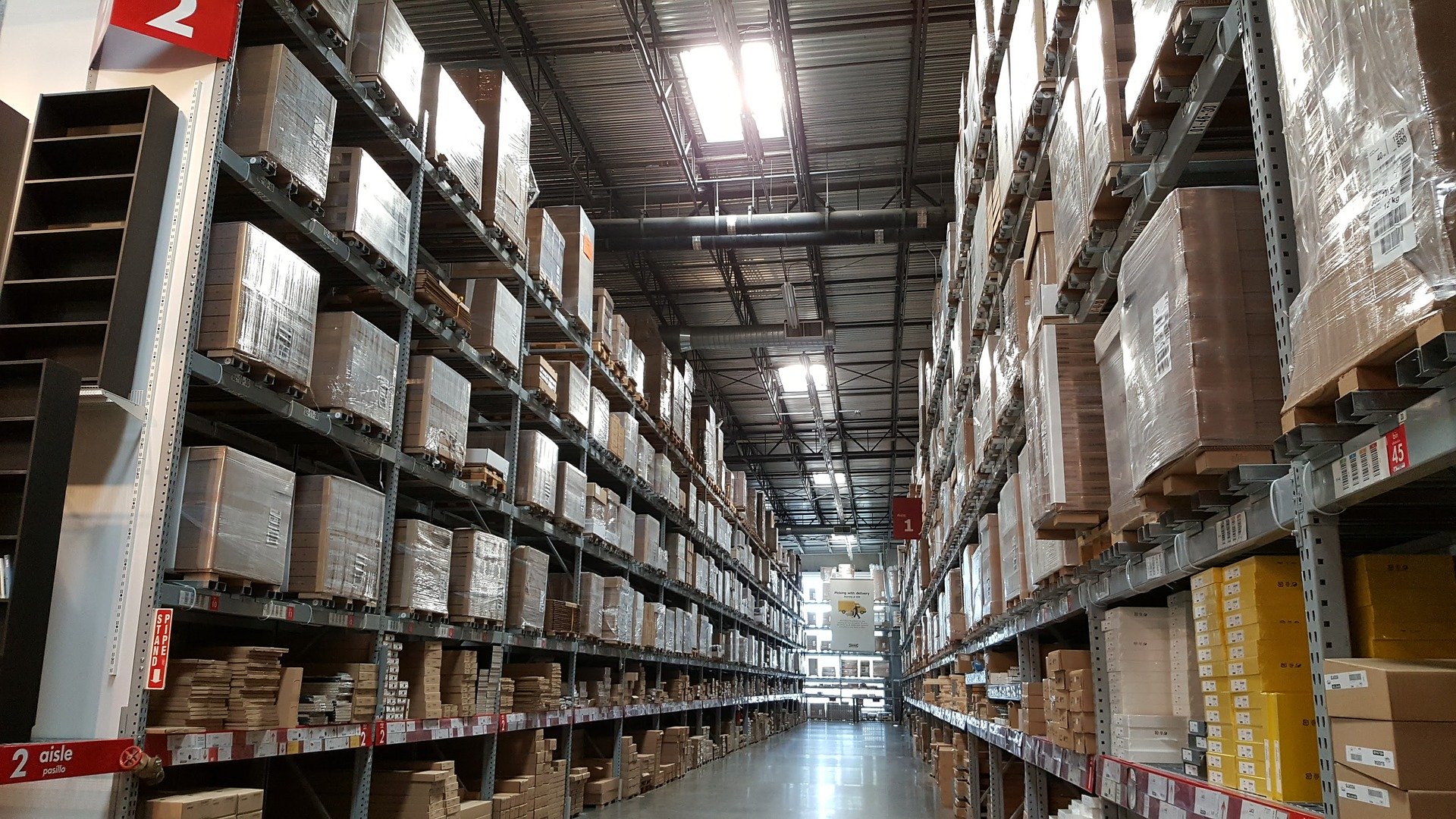
Seasonal industrial injury claims are on the rise.

What kind of compensation amounts are we talking about here?

Compensation amounts are not plucked out of thin air. They are calculated by looking at General and Special Damages.

General Damages account for the physical or psychological trauma you suffer, including your prognosis for recovery. Additionally, they will also include the wages you have lost while recovering from an injury.

Special Damages, meanwhile, account for any financial expense caused by your accident. This can include

  • Paying for prescriptions;
  • Obtaining reasonable private medical care, and;
  • Costs for any additional nursing or care.

You’ll need to prove that you incur all these costs too, so be sure you keep all your receipts.

But if you’re not sure if Special Damages covers an expense, ask your solicitor. In addition, Special Damages may include compensation for future lost earnings. Particularly if the injury you suffer is so severe you are unable to continue working in the same role.

With the right legal support, most industrial compensation claims find a resolution – all without the need to go to court. As a result, you’ll be able to save yourself both money and time through negotiation.

But your employer might refuse to accept liability, or you can’t agree on an acceptable amount of compensation. If so, the solicitor may recommend you submit your claim to court.

This action needs to happen within three years of the date of the injury*.

Negotiations will continue even when they set a court date has been set. Accordingly, it’s common to reach an agreement hours before the court hears the merits of the claim.

Illness claims over 1 million workers a year

The latest figures for 2018/19 from by the Health and Safety Executive paint a telling picture about the claim. In all, 1.4 million working people in the UK suffer from a workplace illness. In addition, the report lists 69,208 injuries to employees n the last year.

Clearly then, workplace accidents and industrial injuries are unfortunately far more commonplace than they should be. Because of this, we and the legal firms we work with have a lot of experience in these cases.

In short, we’re capable of helping you get the maximum amount of compensation you deserve.

If you have suffered an industrial injury, do not hesitate to get in touch with us via our website or by calling 0161 413 8765.

*Also, when they definitively determine that the blame for your symptoms falls on your job.

Man Blinded by Chemical Accident

It has been recently reported that a man has been left permanently blinded due to a corrosive chemical. The incident happened whilst he was cleaning however he was provided with a faulty pump sprayer causing the chemical DM CiD (a substance commonly found in disinfectant) to burst into his face and eyes. The incident occurred on a farm in North Dean, Buckinghamshire, subsequently the business was fined £8,000 and has been ordered to pay around £12,000 in costs.

This is only one of many incidents which occur across the UK. As the incident is so serious The Compensation Experts team have decided to highlight the potential chemical hazards in a workplace and how we can help if this happens to you.

Potential Chemical Hazards

Workers face a sizeable risk when working with dangerous chemicals if, for example, the equipment provided by a company is faulty. In many cases, this is the primary cause of chemical accidents. Due to the high risk of serious injury to a person for chemical-related accidents, it is very important to have emergency services available as a top priority for a business owner. Whilst direct contact with dangerous chemicals is a big risk factor for chemical accidents, there are various other scenarios which create potential chemical hazards. Improperly stored chemicals pose a leakage threat for workers whilst asbestos can always be present on construction sites where a building is being demolished or renovated.

All of these situations can have a detrimental effect on health and wellbeing. They can cause conditions and issues such as the following:

  • Asbestosis
  • Lung cancer
  • Brain damage
  • Chemical burns
  • Heavy metals poisoning
  • Nerve damage
  • Death

Fortunately, there are ways of preventing such incidences from occurring by using personal protective equipment (PPE). When working with chemicals it is vital to protect yourself hence items of PPE should be worn at all items. Some of these are items such as gloves, chemical resistant coveralls, protective boots. There is a lot more PPE available, however, even these cannot always prevent accidents and injuries from occurring.

When chemical accidents occur, it is imperative to report them to your boss/manager and seek appropriate support. If you are alone you must get medical attention immediately. In order to see if you are eligible for compensation regarding a work-related injury involving a hazardous substance, the best option is to seek guidance from compensation experts such as ourselves.

The Compensation Experts

We work with some of the leading solicitors in the UK and can assist you if you are thinking of claiming for compensation. We work on a strict no win, no fee basis which means that you are risk-free and not financially obligated when initially making a claim. This allows you to make a claim for the compensation that you deserve.

If you have suffered an injury relating to a chemical accident and you would like to explore your options for compensation, contact us today for a free consultation to explore your eligibility to make a claim. Call us on freephone: 0161 413 8765

A construction firm based in Hitchin that failed to train their operatives on installing safety decking has caused a serious personal injury to one of its employees according to the Health and Safety Executive (HSE). The employee, a carpenter, was injured when attempting to work on a brace that was supporting trusses. One of the braces then fell causing the carpenter to fall with it leading to a number of compensable injuries.

The firm responsible has now been investigated by the HSE and found guilty of contravening regulations relating to the Work at Height Regulations. Sadly, during the investigation, the HSE discovered that the safety decking that is supposed to help prevent serious injuries when falling from heights had not been installed correctly. The incorrect installation was a result of employees not being correctly trained on how to set up safety decking leading to ‘significant gaps’.

The 36-year-old employee has reportedly suffered nerve and tissue damage along with whiplash and a gash in his little finger. The nerve damage has affected his back which is likely to cause problems later in life. Back injuries are extremely common in the construction industry however this is usually due to heavy lifting and straining repetitively whilst on site. Compensation is available for these types of conditions and depending on the severity can run into the hundreds of thousands. It is unclear at this stage whether the injured carpenter is pursuing a compensation claim against the construction firm in question.

It is important for employees to pursue compensation for personal injury where possible. This is due to a couple of reason – the first being that it highlights potential issues to an employer so that measures can be taken to ensure no one else is injured. Secondly, injured employees can find themselves out of work with their injuries for considerable periods so money is required to maintain a sustainable lifestyle. Injuries can mean changes and adaptations to a person’s lifestyle and home which also cost money that the compensation awarded will cover.

The Hitchin based construction firm, in this case, were sentenced earlier this year for the health and safety failings and were fined just over £71,000 (inclusive of legal costs).

An HSE inspector commented on the case with following ‘This incident could so easily have been avoided by planning work at height to ensure that suitable and sufficient measures were in place to prevent falls.’

‘Companies should be aware that HSE will not hesitate to take appropriate enforcement action against those that fall below the required standards.’

Unfortunately, incidents like this are all too common and The Compensation Experts come across cases like these on a daily basis. Our experts are trained on how to deal with these types of claims and the solicitors we work with are some of the best in the country for personal injury claims. If you or someone you know have had a similar experience in the workplace, do not hesitate to get in touch with our team and find out how we can help you.

Making a claim for a personal injury caused either in a public space or in a workplace can be daunting but it doesn’t have to be. There are many things you may consider such as – is there a time limit on bringing a claim? Or what amount of compensation is the claim going to be worth? Our guide to making a personal injury claim should help you to make an informed decision when deciding whether to go ahead with a claim or not.

Was It My Fault?

Many of the people we speak to on a daily basis have concerns as to whether they are eligible to bring a claim or not. The first thing to consider is whether or not the accident could have been prevented and if so, who is responsible for making sure the incident didn’t occur in the first place. If you were injured due to someone else’s negligence or health and safety failings then you are dealing with pain, suffering and inconvenience rather than the person responsible.

Whether you were injured in a public, private or workspace there are insurance policies in place to protect the negligent party. When considering whether to bring a claim it is important to factor this into your decision to proceed or not. Many people worry that they will be claiming compensation directly from an employer, establishment or local authority however this is not the case and liability insurance is in place in nearly all circumstances for this very reason.

Personal Injury Claims At Work

There is a common misconception that personal injuries only happen in manual labour jobs such as construction or engineering however this is certainly not the case. Injuries can occur at any time and anywhere and it is important that you follow any health and safety training you may have had to minimise the risk.

Your employer has a duty of care for its employees and must take necessary steps to ensure that a working environment is safe and as risk-free as possible. Training must be provided when lifting heavy items is part of a job role in the form of manual handling training. Personal protective equipment (PPE) should be provided when working around hazardous equipment and substances and all machinery should be checked regularly for any faults.

If a personal injury does occur at work the best thing to do is make sure that the incident is recorded in an accident book and it is reported to the appropriate line manager or health and safety officer. If you are thinking about pursuing a personal injury claim it is also worth noting down if there were any witnesses as they may be willing to provide a statement to back up your claim. Where possible, try to take pictures of anything that could be related to the accident.

Personal Injury Claims In Public Space

Personal injury claims arising out of an accident that has happened in a public space are a little bit different from work-related incidents. Usually, the defendant in these cases are local authorities or councils but it is important not to be deterred from claiming because of this. The solicitors we work with are experts at legal claims against big establishments and have the teams to deal with your claim.

Evidence and images are key when pursuing a personal injury claim and like claims in the workplace public liability cases rely on witnesses and images showing what and where a particular hazard might be.

Time Limits On Personal Injury Claims

With all compensation claims, there are strict time limits dictated by the statute of limitations and personal injury law is no different. It generally states that the claimant has three years to bring a claim but it is not always clear cut. For example, if someone contracted an illness because of work-related conditions but was not made aware that the two were related until a later date, the limitation period would start from when they were made aware.

If you have any doubts or are unsure whether or not you are still within the time limit to bring a claim do not hesitate to get in touch with us. We also have a more detailed article on how to determine the time limit on your personal injury case here.

Can I Make a Compensation Claim On Behalf Of Someone Else?

In some circumstances, claims can be made on someone else’s behalf. This usually happens when the person injured is under the age of 18 in which case a parent or guardian would need to authorise and assist with any legal documentation. This person is known as a legal friend and can also act for anyone who may have become incapacitated or died as a result of their injuries.

Our Personal Injury Solicitors

We have access to some of the top personal injury solicitors in the country. They are highly skilled and trained to identify negligence in cases where many would consider there is none. One thing many people forget about claiming compensation for personal injuries is that one of the reasons you are receiving money is that you will undoubtedly experience loss of earnings depending on the severity of your injury. The solicitors we work with not only factor this into your claim but they also fight for the maximum compensation available for any pain and suffering you may have been through.

The team of solicitors also have access to medical experts who have in-depth knowledge of the law and the medical profession and will be able to assess your injuries from a legal viewpoint to help build you the strongest case possible.

The majority of the claims we deal with get settled before court proceedings take place so you do not need to worry about stressful days in court. The solicitors we work with will do everything they can to ensure that your claim does not reach a courtroom however please be aware that this can still happen and there is a slim chance you may be required to go to court at some stage.

How The Compensation Experts Can Help You

If you’ve been injured in an accident either at work or anywhere else, contact The Compensation Experts and ask about our No Win No Fee* service. We work with an experienced panel of personal injury law firms who will help build a successful claim to obtain the compensation you deserve. There is no need to worry if you’re unsure whether you have grounds for a claim as we will help determine that before you commit to anything in a free, no-obligation consultation with one of our friendly advisors. *conditions apply

Call The Compensation Experts today, or fill in our online form and let us know when you would like us to call you back.