Start your claim now

At The Compensation Experts, we have a great deal of experience handling cases for various personal injury compensation amounts. For example, we help victims of road traffic accidents. As such, motor accidents can cause tremendous amounts of damage, both physically and financially. Yet we also need to combat false personal injury claims.

This is a far too common occurrence that affects legitimate claims every day. (more…)

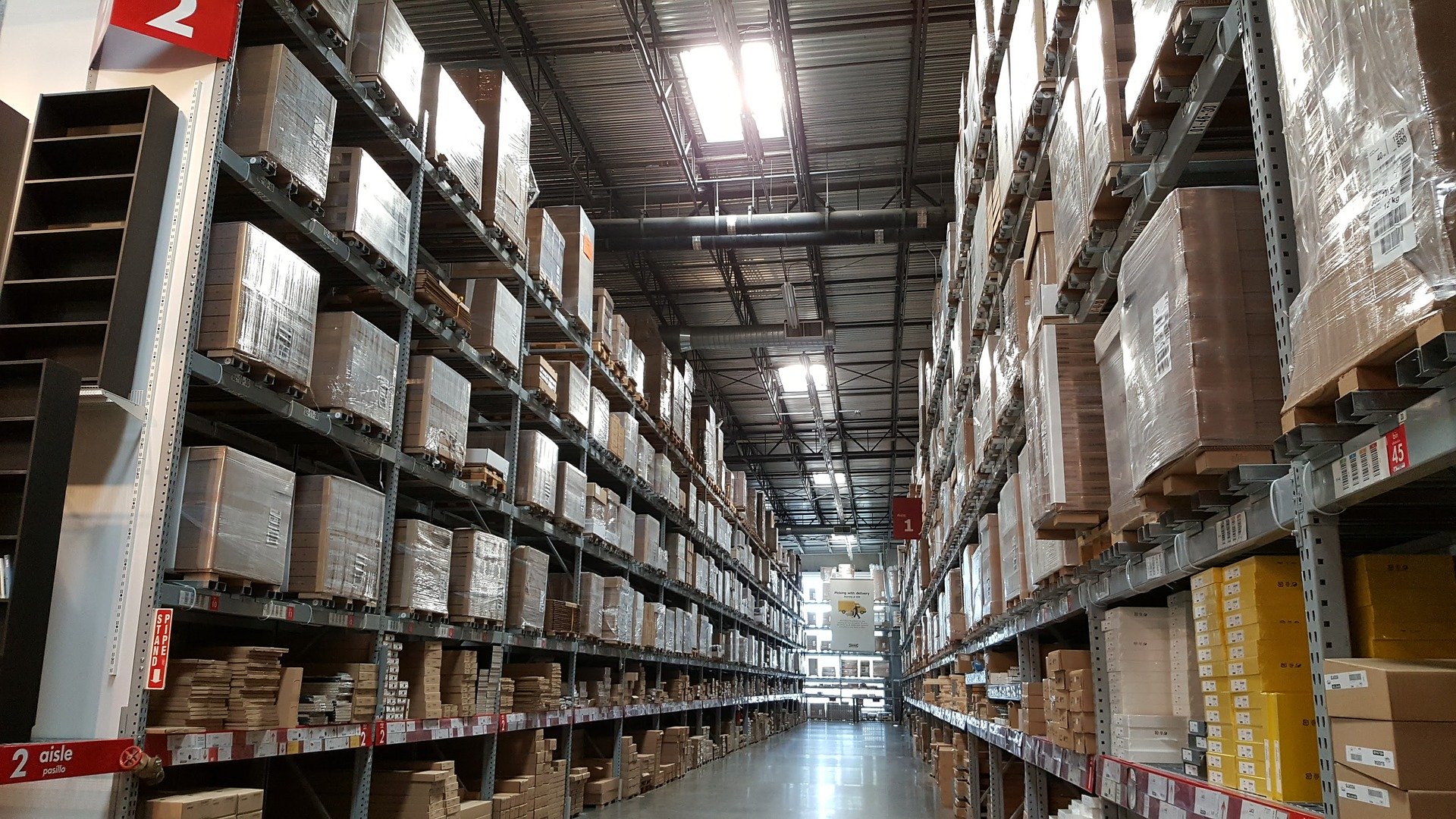
It’s that time of year again when employers begin to recruit seasonal staff to cover the busy Christmas and New Year period. However, we tend to think of it as seasonal industrial injury season, due to the influx of new workers in a pacey atmosphere.

In particular, large-scale dispatch centres operated by the likes of Amazon and Hermes will be taking on additional staff. Their goal is to cope with the rise of demand in the run-up to Christmas. Especially as people order presents for, and send packages to, friends and relatives.

Those who live close to a large dispatch centre or warehouse are surely well aware of this. You may have seen adverts in your local area looking for warehouse operatives, delivery drivers and the like.

Regular versus Seasonal Industrial Injury Rights

Indeed, there are differences between the range of employment rights for full-time employees of a company. Especially depending upon their length of service and those granted to temporary seasonal staff, industrial and workplace safety legislation, such as the Health and Safety at Work Act, protect everyone in a workplace regardless of their employment status.

Put simply, it is against the law for your employer not to follow the legislation. Therefore, ignorance of their obligations towards employees is not an excuse.

As a result, employers take on additional staff to cover seasonal demand during busy periods. But it’s absolutely imperative they ensure these temporary staff members still receive full training. Especially if they use any machinery as part of the role. Moreover, the employer must ensure employees are fully aware of all workplace health and safety processes.

Working in warehouse and factory environments can be particularly dangerous and fraught with potential health and safety hazards. These workplaces can be noisy, and they also feature-heavy industrial machinery.

Moreover, there’s also the issue of pace in these working atmospheres. In short, they engender a work environment that’s particularly fast. In essence, there are multiple people moving around on a regular basis, some of whom could be driving fork-lift trucks, too.

Typical examples of industrial injuries

In essence, examples of season industrial injuries can include the following.

  • Electric shock;
  • Eye injuries;
  • Head and brain injuries;
  • Fractured bones and dislocated joints;
  • Back and spinal damage;
  • Muscle strain;
  • Slips, trips, and falls;
  • Falls from height;
  • Exposure to dangerous substances, and;
  • Chemical burns.

Truly, it’s your responsibility to ensure you operate any machinery as you have been trained and in a safe and responsible manner. However, the employer has a responsibility to make sure you:

  • receive that training;
  • fully understand it and;
  • are capable of carrying out your tasks accordingly.

Therefore, if you do suffer an industrial injury while working in a seasonal role; and we can prove that your employer fails in their responsibilities; you can pursue compensation.

Turn to a seasonal industrial injury law specialist

Specifically, seasonal industrial injury claims are a specialist area of personal injury law. It’s also worth knowing that the damage from an industrial injury may not be clear until years after. For example, the development of industrial deafness or an asbestos-related disease can take a long time to become apparent.

At The Compensation Experts, we work with specialist law firms with a proven track record in industrial injury compensation claims. After your initial free consultation with our advisors, we’ll match you with the firm who suits your case best.

With your own specialist solicitor working on your case, you’ve got a partner. That means a fully dedicated service with a commitment to your unique seasonal industrial injury claim.

Obtaining Experts Reports for Seasonal Industrial Injury Claims

As experts, the solicitors we collaborate with also know that there is always a wealth of areas to cover. From medical specialists to the industrial line of work you’re in, it’s always wise to tap that knowledge for your case. Accordingly, we seek to strengthen your case with their expert testimony.

We’ll also obtain medical and industry expert reports if needed to help advise you on the strength of your case. If you do then decide to progress your case, your solicitor will commence with putting your case together.

  • They collect any and all evidence;
  • If possible, contact any available witnesses, and;
  • We’ll also go over the case with you regularly, especially when it comes to new information.

We do all of this in order to help us build the strongest possible case for your compensation claim to succeed. This evidence aims to do several things to ensure the amount you receive is fair.

  • Prove your entitlement to compensation, and also;
  • Show the extent of your physical, emotional and financial suffering.

Next, they look through your claim request and carry out their investigation. Then, your employer’s insurance company will either make an offer of compensation or will deny liability. Please be aware that offers at this stage are usually low. Especially if you compare them with the results of other recent settlements.

The solicitor’s role is to advise you how good the offer is. Then, if you don’t accept it, negotiate with the other side to find an acceptable level of compensation.
Seasonal industrial injury claims are on the rise.

What kind of compensation amounts are we talking about here?

Compensation amounts are not plucked out of thin air. They are calculated by looking at General and Special Damages.

General Damages account for the physical or psychological trauma you suffer, including your prognosis for recovery. Additionally, they will also include the wages you have lost while recovering from an injury.

Special Damages, meanwhile, account for any financial expense caused by your accident. This can include

  • Paying for prescriptions;
  • Obtaining reasonable private medical care, and;
  • Costs for any additional nursing or care.

You’ll need to prove that you incur all these costs too, so be sure you keep all your receipts.

But if you’re not sure if Special Damages covers an expense, ask your solicitor. In addition, Special Damages may include compensation for future lost earnings. Particularly if the injury you suffer is so severe you are unable to continue working in the same role.

With the right legal support, most industrial compensation claims find a resolution – all without the need to go to court. As a result, you’ll be able to save yourself both money and time through negotiation.

But your employer might refuse to accept liability, or you can’t agree on an acceptable amount of compensation. If so, the solicitor may recommend you submit your claim to court.

This action needs to happen within three years of the date of the injury*.

Negotiations will continue even when they set a court date has been set. Accordingly, it’s common to reach an agreement hours before the court hears the merits of the claim.

Illness claims over 1 million workers a year

The latest figures for 2018/19 from by the Health and Safety Executive paint a telling picture about the claim. In all, 1.4 million working people in the UK suffer from a workplace illness. In addition, the report lists 69,208 injuries to employees n the last year.

Clearly then, workplace accidents and industrial injuries are unfortunately far more commonplace than they should be. Because of this, we and the legal firms we work with have a lot of experience in these cases.

In short, we’re capable of helping you get the maximum amount of compensation you deserve.

If you have suffered an industrial injury, do not hesitate to get in touch with us via our website or by calling 0161 413 8765.

*Also, when they definitively determine that the blame for your symptoms falls on your job.

A construction firm based in Hitchin that failed to train their operatives on installing safety decking has caused a serious personal injury to one of its employees according to the Health and Safety Executive (HSE). The employee, a carpenter, was injured when attempting to work on a brace that was supporting trusses. One of the braces then fell causing the carpenter to fall with it leading to a number of compensable injuries.

The firm responsible has now been investigated by the HSE and found guilty of contravening regulations relating to the Work at Height Regulations. Sadly, during the investigation, the HSE discovered that the safety decking that is supposed to help prevent serious injuries when falling from heights had not been installed correctly. The incorrect installation was a result of employees not being correctly trained on how to set up safety decking leading to ‘significant gaps’.

The 36-year-old employee has reportedly suffered nerve and tissue damage along with whiplash and a gash in his little finger. The nerve damage has affected his back which is likely to cause problems later in life. Back injuries are extremely common in the construction industry however this is usually due to heavy lifting and straining repetitively whilst on site. Compensation is available for these types of conditions and depending on the severity can run into the hundreds of thousands. It is unclear at this stage whether the injured carpenter is pursuing a compensation claim against the construction firm in question.

It is important for employees to pursue compensation for personal injury where possible. This is due to a couple of reason – the first being that it highlights potential issues to an employer so that measures can be taken to ensure no one else is injured. Secondly, injured employees can find themselves out of work with their injuries for considerable periods so money is required to maintain a sustainable lifestyle. Injuries can mean changes and adaptations to a person’s lifestyle and home which also cost money that the compensation awarded will cover.

The Hitchin based construction firm, in this case, were sentenced earlier this year for the health and safety failings and were fined just over £71,000 (inclusive of legal costs).

An HSE inspector commented on the case with following ‘This incident could so easily have been avoided by planning work at height to ensure that suitable and sufficient measures were in place to prevent falls.’

‘Companies should be aware that HSE will not hesitate to take appropriate enforcement action against those that fall below the required standards.’

Unfortunately, incidents like this are all too common and The Compensation Experts come across cases like these on a daily basis. Our experts are trained on how to deal with these types of claims and the solicitors we work with are some of the best in the country for personal injury claims. If you or someone you know have had a similar experience in the workplace, do not hesitate to get in touch with our team and find out how we can help you.

Making a claim for a personal injury caused either in a public space or in a workplace can be daunting but it doesn’t have to be. There are many things you may consider such as – is there a time limit on bringing a claim? Or what amount of compensation is the claim going to be worth? Our guide to making a personal injury claim should help you to make an informed decision when deciding whether to go ahead with a claim or not.

Was It My Fault?

Many of the people we speak to on a daily basis have concerns as to whether they are eligible to bring a claim or not. The first thing to consider is whether or not the accident could have been prevented and if so, who is responsible for making sure the incident didn’t occur in the first place. If you were injured due to someone else’s negligence or health and safety failings then you are dealing with pain, suffering and inconvenience rather than the person responsible.

Whether you were injured in a public, private or workspace there are insurance policies in place to protect the negligent party. When considering whether to bring a claim it is important to factor this into your decision to proceed or not. Many people worry that they will be claiming compensation directly from an employer, establishment or local authority however this is not the case and liability insurance is in place in nearly all circumstances for this very reason.

Personal Injury Claims At Work

There is a common misconception that personal injuries only happen in manual labour jobs such as construction or engineering however this is certainly not the case. Injuries can occur at any time and anywhere and it is important that you follow any health and safety training you may have had to minimise the risk.

Your employer has a duty of care for its employees and must take necessary steps to ensure that a working environment is safe and as risk-free as possible. Training must be provided when lifting heavy items is part of a job role in the form of manual handling training. Personal protective equipment (PPE) should be provided when working around hazardous equipment and substances and all machinery should be checked regularly for any faults.

If a personal injury does occur at work the best thing to do is make sure that the incident is recorded in an accident book and it is reported to the appropriate line manager or health and safety officer. If you are thinking about pursuing a personal injury claim it is also worth noting down if there were any witnesses as they may be willing to provide a statement to back up your claim. Where possible, try to take pictures of anything that could be related to the accident.

Personal Injury Claims In Public Space

Personal injury claims arising out of an accident that has happened in a public space are a little bit different from work-related incidents. Usually, the defendant in these cases are local authorities or councils but it is important not to be deterred from claiming because of this. The solicitors we work with are experts at legal claims against big establishments and have the teams to deal with your claim.

Evidence and images are key when pursuing a personal injury claim and like claims in the workplace public liability cases rely on witnesses and images showing what and where a particular hazard might be.

Time Limits On Personal Injury Claims

With all compensation claims, there are strict time limits dictated by the statute of limitations and personal injury law is no different. It generally states that the claimant has three years to bring a claim but it is not always clear cut. For example, if someone contracted an illness because of work-related conditions but was not made aware that the two were related until a later date, the limitation period would start from when they were made aware.

If you have any doubts or are unsure whether or not you are still within the time limit to bring a claim do not hesitate to get in touch with us. We also have a more detailed article on how to determine the time limit on your personal injury case here.

Can I Make a Compensation Claim On Behalf Of Someone Else?

In some circumstances, claims can be made on someone else’s behalf. This usually happens when the person injured is under the age of 18 in which case a parent or guardian would need to authorise and assist with any legal documentation. This person is known as a legal friend and can also act for anyone who may have become incapacitated or died as a result of their injuries.

Our Personal Injury Solicitors

We have access to some of the top personal injury solicitors in the country. They are highly skilled and trained to identify negligence in cases where many would consider there is none. One thing many people forget about claiming compensation for personal injuries is that one of the reasons you are receiving money is that you will undoubtedly experience loss of earnings depending on the severity of your injury. The solicitors we work with not only factor this into your claim but they also fight for the maximum compensation available for any pain and suffering you may have been through.

The team of solicitors also have access to medical experts who have in-depth knowledge of the law and the medical profession and will be able to assess your injuries from a legal viewpoint to help build you the strongest case possible.

The majority of the claims we deal with get settled before court proceedings take place so you do not need to worry about stressful days in court. The solicitors we work with will do everything they can to ensure that your claim does not reach a courtroom however please be aware that this can still happen and there is a slim chance you may be required to go to court at some stage.

How The Compensation Experts Can Help You

If you’ve been injured in an accident either at work or anywhere else, contact The Compensation Experts and ask about our No Win No Fee* service. We work with an experienced panel of personal injury law firms who will help build a successful claim to obtain the compensation you deserve. There is no need to worry if you’re unsure whether you have grounds for a claim as we will help determine that before you commit to anything in a free, no-obligation consultation with one of our friendly advisors. *conditions apply

Call The Compensation Experts today, or fill in our online form and let us know when you would like us to call you back.

With common types of injury claims, the actual accidents themselves come in many shapes and sizes. But they’re all relevant if the cause of the accident is another individual and the accidents bring injury or illness to you.*

There are many common accidents to claim compensation for. You’re eligible for compensation on any accident within the last three years which:

  • wasn’t your fault, or;
  • as a direct result of another’s negligence.

That remains the case if you’re injured in an accident by a business or an individual.

Here are some of the most common accidents which can occur and what you need to do in order to claim for maximum compensation. For all the below occurrences, it’s important to speak to a trained advisor at The Compensation Experts to best guide you through the claim process.

Slips, Trips and Falls

This can occur anywhere, at any time, whether within the workplace, in a public street, or even abroad. Wherever it occurs, you’ve got the right to make a claim if the slip, trip or fall wasn’t your fault. An individual or business needs to maintain the upkeep of a particular environment. Therefore, even a simple trip can have devastating repercussions for the wounded party if it causes severe injuries.

Some things need to be in order to claim compensation for this type of accident. For one thing, you need to prove that your fall was a direct result of neglect on another’s part. For example, here are some incidents worthy of negligence claims:

  • A slippery, wet floor in a working kitchen.
  • Any obstacles left in public spaces which you have tripped over.
  • Even some carpeting that has come loose in a public place and become a hazard.

Once you have the necessary proof, claim proceedings can begin and you will be eligible to receive compensation.

Road Traffic Accident

With such a heavy flow of traffic, these accidents are inevitable, and often through no fault of your own. If you’re in a road traffic accident, you’re eligible for a claim.**

In certain circumstances, you may also be able to claim even if you were partly at fault. This may be so, for example, if a situation occurs where you made a mistake, but another driver made a bigger one and is the majority perpetrator.

If a road traffic accident leaves you with permanent damage, we can help. Such accidents, in short, can deliver a permanent loss of income if you are unable to work. Therefore, a compensation claim can incorporate any losses you will have in the foreseeable future.

Factory Accidents

A working factory environment is often a risk, especially when Health & Safety officials don’t offer a duty of care to their workers. Yet even with the implementation of the proper health and safety procedures, injuries including broken bones, concussions, bruises and other damage can still occur.

With factory accidents, injury claims often occur due to the chance of human error and the failure of machinery. Whether you’re a factory worker or just a visitor to the site, you will be eligible for compensation.

Some factory accident scenarios

Here are just a few different scenarios to consider to determine if you can make a claim.

  • If you have not been given the proper training during your work in a factory.
  • The workplace has poor lighting or visuals, making obstacles harder to see in conducting your work.
  • If you’re part of a working atmosphere that proves to be inexplicably strenuous. For example:
    • Unnatural lifting expectations.
    • Susceptible conditions for fatigue.
    • Poor access to clean drinking water and/or hydration.
  • The proper equipment to use during the course of your work, such as Personal Protective Equipment (PPE).

These are just some of the situation you may encounter that can make it easier to make a claim.

For any advice on common accidents for compensation claims, contact the team at The Compensation Experts today.

When an accident visits injury on you, it’s often tough to regain your life as you knew it. But these common accidents to claim compensation against all deserve the attention of our personal injury solicitors. In short, we can improve your experience.

Plus, you’ve no automatic obligation to legal fees in order to tap into our legal advice. Because your personal injury claim is always handled by law firms with years of experience as No Win, No Fee.

What’s more, check with any of your current insurance company providers. They – or the insurance provider we connect you with – may cover any legal fees you might eventually incur. But regardless, with The Compensation Experts, you only incur those fees when you win.

*Through no fault of your own.

**Through no fault of your own, as a driver, pedestrian, cyclist or public transport passenger.

Although all personal claims are different, the process of them is much the same. Understanding the process can make it easier to understand how much you might get in terms of compensation, and the expected amount of time it will take until you receive that compensation. Depending on the severity of your injury, this can be a long process or one that takes very little time at all. When you get legal assistance with your claim, you will be guided through a series of steps that will be discussed with you at every stage. The more that you understand the process of making a personal injury claim, the easier it will be to understand what is happening with your case. Here are the key steps.

1: Detail Gathering – Your legal team will gather your details. They will evaluate the validity of your claim and make a decision on representation. Your personal details and the facts regarding your accident will be gathered. They will let you know quickly if they are going to be able to represent you.

2:  Documentation – A solicitor will be assigned to you, and they will collect all of the documentation related to your case. You will then review that documentation to ensure that all of the details are correct.

3: Evidence Collection – The next step is to start gathering evidence. This will be needed in order to support your claim. Your solicitor will write to witnesses, get as many details from you as needed, and even contact your employer. If your injury is causing you to miss work, then financial losses are going to be a factor in your compensation amounts.

4: Contacting the Defendant – If you are making a claim against someone, then your solicitor will wait until the necessary evidence has been collected and then contact them. They are then known as the defendant. This could be a private individual, a company, a public body, or an insurance company. They will be informed that a claim is being made against them.

5: Medical Clarification – A copy of your medical records will be obtained. Your solicitor will often arrange an additional medical appointment for you. They may make use of an independent medical expert. At this point, your legal team may be able to arrange any additional medical treatment that you might need.

6: Defendant Response – This is when the process might slow down. You will have to wait for a formal response from the defendant. In cases where you are waiting for a response from an insurer, this can take time and will depend on when, where, and how your accident occurred.

7:  Pre-Action Protocol – This is all about the exchanging of information so that it is a faster process. Time limits will be set and will need to be acknowledged. This is often the point where a settlement may be issued by the defendant. In cases where no response is given then this is when your solicitor will initiate court proceedings.

8: Liability – If the defendant admits to being the cause of your injury then settlement will be discussed. Your solicitor will conduct negotiations on your behalf. If the defendant does not admit liability then they will at this point be required to provide any evidence. Your legal team will then do an investigation into their claims. They will advise you on whether a court case will be necessary.

9: Settlement – If the defendant admits liability and a settlement is being discussed then your solicitor will provide them with your medical report. This can help ensure that you get the right compensation amount.

At any point in this process, the defendant may make some kind of settlement offer. Negotiations can often result in not needing to go to court. When your claim has been settled, you will be told the total amount of compensation that you will receive and when you will receive it. This is normally within 21 days of the settlement being agreed on. The more experienced your solicitor, the easier the process of making a personal injury claim will be.

There are a number of factors that will need to be taken into account when calculating your potential compensation amounts. In order to work out the value of your claim, these aspects will be factored into the final decision:

  • The type of injury you have received
  • How serious the injury is
  • Expected rehabilitation time
  • Psychological issues that may have been caused by your injury
  • Any financial losses you have suffered from due to your injury

At their foundation, all personal injury claims are made with the intention of redressing your injury. The intention is to ensure that you are better equipped to get your life back to how it was before the injury happened. As a result of that guiding principle, all claim amounts will be set dependant on your level of pain and suffering.

The more seriously you have been injured and the longer that your recovery will take, the higher your compensation payout can be.

Special and General Damages

Courts will look at the facts of your claim. As well as the pain and suffering that you have suffered, they will also evaluate expenses that have occurred. This could mean medical expenses, travel costs of getting to and from hospitals, or any other expenses that have been made or expected. If your injury has cost you money, then special damages compensation is intended as a way to reimburse you. Special damages will always depend on your specific case.

General damages are intended to compensate you for any pain that you have experienced as a result of your injury. The seriousness of your injury will vary the compensation amounts that you might receive, although the Judicial College Guidelines do have some set criteria for compensation levels. This will mean a medical evaluation but can result in much higher compensation totals.

Average Compensation Amounts

Due to the fact that all personal injury claims are different, it can be very difficult to make a general statement about average compensation amounts. A different injury will result in a different payout amount. The body part that has been injured will also be factored in, but some examples of average payouts include:

  • Neck injuries: For minor neck injuries, you should expect to get no less than £1,000. Even for minor neck injuries, there have been payouts as high as £6,920. The more serious your neck injury the more money you may receive in compensation. For severe injuries, there have been claims made for between £114,000 and £130,000.
  • Vibration White Finger (VWF): An increasingly common injury, VWF can widely vary when it comes to compensation. Minor cases have seen payouts between £2,500 and £7,500. Even a moderate case of VWF has seen compensation as high as £14,690. Serious cases of VWF can even go as high as £33,000.
  • Poisoning: This covers food-related poisoning, and compensation amounts can be very unpredictable. Minor cases can see payouts of around £1000, while moderate cases can fall anywhere between £3,400 and £16,800. If you suffer a serious case of food poisoning then you might get as much as £46,000.

All types of personal injury claim compensation amounts are intended to get you back to a fully recovered state as quickly as possible. While the average claim can widely vary, the best way to get the settlement that you deserve is to speak to legal experts. They can advise you on what to expect. That will make your recovery much easier to deal with, no matter how serious your injury might be.

The term ‘personal injury’ is a general one that is intended to cover instances of physical or mental injury or those that have become ill or diseased due to the negligence of someone else. As general as the term may be, it remains a legal term, and that means that it provides protection for those that suffer needlessly due to the negligence or ill intent of a third-party.  Starting a claim for personal injury is a straightforward process, but you will require legal assistance. There are some set factors to be aware of when it comes to calculating compensation amounts for a personal injury claim. Professional guidance will ensure that you know just what amounts you can get, and assist you in obtaining a faster result.

Personal Injury – What Can I Claim For?

All cases will need to be looked at individually. Personal injury cases are all different, and even cases that are very similar could have very different outcomes. The severity of the injury will be a vital part of ascertaining your claim amount.

Compensation will be dependant on the pain that the victim has gone through, how that pain has affected their life, any ongoing suffering, and the financial impact of their injury.

Normally, someone who has received only a minor injury will be compensated less than someone who has suffered a more serious one. Two main factors are taken into account when calculating compensation amounts in a personal injury case. These are:

General Damages: This is in place in order to reflect the pain and suffering caused by personal injury. It can be difficult to ascertain the pain levels that general damages will cover for. However, there are governing boards and independent bodies that have clear guidelines for every type of injury. The Judicial Study Board has set brackets for assessing and calculating compensation amounts for a wide range of specific injuries. Additionally, your solicitor may also hire medical experts in order to help make a clear decision on how much compensation should be claimed for.

Special Damages: These are intended to cover the injured person financially. They will be awarded if a case can be made that the personal injury led to a financial shortfall (such as missing out on salaried work hours, or the cost of home improvements required after an accident). If your personal injury has affected you financially, then special damages may be able to help recoup your monetary losses. Examples of costs that special damages can cover include (but are not limited to):

  • Ongoing or paid for medical expenses
  • Prescription costs
  • Physiotherapy expenses
  • Travel costs
  • Home help

One of the most important things to remember about personal injury claims is that they have varying levels of complexity. For example, road traffic accidents will be categorised in different subsections to an accident at work.

Personal circumstances will play a large role in determining your total amount of compensation.

No matter your injury or financial circumstance, you will have a much better chance of making a successful claim, and getting the compensation total that you need, if you have legal help from professionals who have experience with personal injury claims.

The evolution of smoke-free e-cigarettes (or vaping) as an alternative to tobacco is a relatively recent phenomenon. Therefore, many of their side-effects and long term risks are either unknown or still subject to research. Still, e-cigarette risks are many, complete with ingredients that we may never fully appreciate the true danger of. Even vaping products themselves present significant levels of danger and consideration.

Despite e-cigarette risks, most think vaping is an excellent alternative to avoid the health risks of smoking. However, the risks of vaping still remain. Moreover, the product itself can be dangerous in some circumstances, resulting in personal injury claims in the UK.

Personal Health Risks

You may believe you’re avoiding tobacco’s health risks by switching to e-cigarettes. With long term implications, the jury is still out on whether that’s actually true. For all intents and purposes, research is struggling to keep up with the rise of vaping. However, e-cigarettes remain potentially harmful in the short term, with one of the significant dangers being popcorn lung.

Popcorn lung is the medical term for damage to the bronchioles. Bronchioles are essentially the smallest airways in your lungs and can be caused by vaping. Damage to these can cause scarring to your lung tissues and cause difficulties with your breathing, leaving you feeling breathless. Symptoms include a cough, wheezing, and exhaustion.

Studies suggest the ingredient diacetyl within e-cigarettes brings on such side effects. Furthermore, diacetyl has a strong link to serious lung disease in tobacco products.

Harmful Ingredients

However, e-cigarettes also contain several other harmful substances. Although they do not contain tobacco, e-cigarettes contain a much higher percentage of nicotine than in normal cigarettes.

Experts don’t tend to view nicotine as a cause of the diseases common with smoking. Furthermore, it’s less harmful than smoking for your health.

Yet vaping also releases other harmful toxins, which vary by the type and brand of e-cigarette that you invest in. Additionally, the vapour contains a small assortment of toxic chemicals found in cigarette smoke. Thankfully, the chemicals are at a lower concentration at a much lower rate than in cigarettes.

Product Risks

However, it is not just the effect that e-cigarettes have on the user that is dangerous. Just like with tobacco smoke, e-cigarette risks also extend to the products and the after-effects themselves. Some faulty e-cigarettes can cause electrical fires within homes, leading to injury or property damage.

Because you must use a USB cable to heat the liquid inside, exploding e-cigarettes present some frightening risks. These explosions can cause burns to the user’s face when they are smoking e-cigarettes. In essence, the risks are the result of the rechargeable battery overheating. Moreover, many devices do not have a cut-off point when they reach their maximum charge.

Trying to quit tobacco cigarettes

Quite often, traditional tobacco smoking cessation is the reason why vape pens turn up at every corner. This in itself might be the riskiest proposition of all. In short, the marketing of e-cigarettes presents an apparent short-term solution at the potential expense of long term health.

A short history of smoking health concerns

The Royal College of Physicians, Smoking & Health changed everything with a landmark report on smoking in 1962. Prior to this, few ever really considered tobacco’s harmful chemicals and the need to establish stop smoking services. Moreover, there was a major wall in getting the message of tobacco’s damage through to the public. In fact, in 1962, half of all adults (that’s 70% of men and 40% of women) smoked.

Nevertheless, the report’s PR effects (coupled with the 1965 Surgeon General report in the United States) were fast, lasting and widespread. Television commercials for tobacco products were banned by 1965. Health warnings began to appear on cigarette packs by 1971.

As electronic cigarettes entered the market around 2012, a mere 21% of Britons smoked tobacco. That figure surely includes those who want to quit smoking – a considerable audience, but certainly not the majority of adults like the old days.

Yet what it doesn’t include the emerging market of young people vaping companies are targeting. The Centers for Disease Control and Prevention do not recommend vaping products for young adults and current non-smokers. Additional research may still reveal devastating conclusions about cancers and illnesses like heart disease.

For instance, the American College of Cardiology’s 2019 research shows the following.

Adults who report puffing e-cigarettes, or vaping, are significantly more likely to have

  • A heart attack;
  • Coronary artery disease, and;
  • Depression.

…Compared with those who don’t use them or any tobacco products.

What to do in the event of injury from e-cigarette risks

You can file a personal injury accident claim against the e-cigarette brand manufacturer if you suffer:

  • burns
  • injury or;
  • property damage at the hands of an e-cigarette.

To do this, turn to a lawyer who can represent your case and provide advice as to your next step. We recommend specialist solicitors capable of handling the intricacies of personal injury claims.

Explosions can leave you with a severe burn that leaves significant and permanent facial scarring. As a result, you can claim compensation by suing these manufacturing companies. You can start the process by assigning a lawyer to investigate these personal injury claims on your behalf.

Considering a claim for e-cigarette risks?

Here are two things to consider if you want to talk to a personal injury solicitor about e-cigarettes.

  • Did negligence take place in the production of a faulty e-cigarette?
  • Did that negligence cause you significant personal damage?

If the answer to both questions is “Yes”, you should instantly seek a personal injury solicitor after your medical treatment. If you have a particularly strong case, you can receive the personal injury compensation that you deserve. By claiming against the manufacturing company in question, you can recover something that no smoking product can ever truly replace.

Personal injuries are sometimes difficult to handle. They require you to take time off work, spend time and money at the hospital, and to occasionally undergo painful and traumatic surgeries or rehabilitation. It’s because they’re such unpleasant experiences that those who suffer injuries are often capable of claiming personal injury compensation if they follow a specific set of steps that this guide expands upon. For those reading this article who’ve sustained a personal injury, it should only take following the step by step guide below for you to assess your ability to make a claim, and to approach the specialists who’ll guide you through the claiming process.

Think About Your Case

Personal injuries vary wildly. Some constitute situations in which you are due compensation; others are unlikely to be granted any. It’s up to the individual to understand their rights when it comes to claiming compensation. What’s more, they need to see their injury as a case in which evidence will have to be produced and used for your claim. Start building the proof right away in the event of a personal injury.

Assign Liability

Naturally, if you’re looking for compensation, you’re going to have to assign liability to a third party. In many cases of personal injury, this is fairly obvious: if you slip on a wet floor in a shopping mall, it’s the operators of the mall who are liable. If a product you purchase malfunctions and injures you, it’s the producer of the product you’ll be approaching for compensation. Establish who is responsible (if there is a liability) before you consider contacting compensation experts for assistance.

Approach Specialists

Compensation experts in the field of personal injury are at hand to help you in the above process. They ask you to describe your injury and how it came about and to produce evidence of the costs that it’s accrued for you since you suffered it. Once you’ve provided all the information and evidence that the specialist requires of you, your part in the process will be mostly complete; it’s over to our experts to fight your case in your personal injury accident claim.

The Case

Specialists will then work on your case, compiling the evidence provided to form a personal injury compensation claim. Their experience in many similar cases will mean they’re aware of the rulings on cases such as yours, which means they’ll be able to give you a predicted quote early on in your dealings. They’ll send this case through to the organisation you’re claiming against and will await their response.

Your Offer

When your case is in the hands of those you’re claiming against, they’ll weigh up whether they’re fit to fight a case or whether they’ll grant the full compensation you’re asking for. In some cases, they suggest a split-liability compromise, which you’ll be able to discuss with your representative in our team. In these circumstances, you may just wish to take what’s offered – or you may want to fight for 100% liability upon the person you’re claiming against.

These steps will help you go from the event of your personal injury to the achievement of your due compensation, with as little disruption to your life as possible.

There are a variety of reasons why you would want to seek out a compensation claim, many of which will be because of an injury at work. Perhaps you were injured at work because your employer failed to fix a fault that was reported to him. Perhaps you slipped and fell outside a store because they had failed to salt it. If so, you need to make a personal injury accident claim.

Some injuries are catastrophic. A medical negligence injury could leave you with a lifelong disability. It could even have put your life at risk. A drunk driver could cripple you or even kill you.

There are so many cases where someone else’s negligence could result in life-changing consequences for you. It is not right that you suffer through this time alone. Instead, you deserve compensation to cover the rehabilitation costs, the cost of aids, the cost of therapy, the coverage of income loss, and of course compensation for your pain and suffering.

What does No-Win-No-Fee Mean?

When looking for a compensation expert you might have come across the term “no-win-no-fee”, but what does this mean exactly?

No Win No Fee typically means exactly what you think it does. You take your case to the lawyer, and if they agree you have a reasonable chance of winning they will take your case. As the case’s goal is to seek out financial compensation they will not take money directly from you. Instead, they will take it out of your compensation earnings. If they lose the case, then you pay nothing.

What Types of Compensation Offer No-Win-No-Fee?

There are plenty of types of compensation no win no fee from workplace negligence to medical negligence. You simply need to find an agency that specialises in your type of case that offers no win no fee.

What Are the Benefits of No-Win-No-Fee?

The most obvious benefit of a no win no fee solicitors for medical negligence is that they do not take money directly from your account. Instead, they take their fee from the compensation you are given once they win. Unlike fixed fee or hourly lawyers, you don’t have to pay upfront. For those who have limited funds, this can be the best way to take your case to court or to settle it professionally. It is almost impossible to represent yourself successfully without a background in law.

If you have an NHS compensation claim, but don’t have the funds to hire a lawyer out of pocket, then a no win no fee lawyer is the best solution for you.

What are the Cons of a No-Win-No-Fee?

As most won’t have the pocket money to handle paying a lawyer upfront, there is often no downside to a no-win-no-fee lawyer, as the only other option you have is to drop the case. If you do have the money, however, fixed fee lawyers can help you keep the full amount of your compensation claim.

How to Find a Good No-Win-No-Fee Lawyer

To find great solicitors, you will need first to vet the lawyers themselves. You want to give your case a great shot at winning, and so you will need to find a firm that specialises in your type of negligence case; for instance, do you need to make a whiplash injury claim? We at The Compensation Experts hire specialists that cover all types of negligence cases and have a 97% customer satisfaction rate.

Suffering a head injury is a traumatic experience that can take time and patience to recover from, and how long it takes will depend on the severity of the injury. Aside from the physical aspects of a head injury, you are also likely to have to contend with emotional difficulties too. A head injury that causes damage to the brain may also mean that you find day to day life different than before, and you may have problems with cognitive functioning. Suffering a head injury is a difficult thing to go through, but there are some things you can do to help you get your life back on track.

First Responses

There are many different types of head injury, from cuts and lacerations, bruising, to severe injuries like skull and brain damage. Any injury to the head must be treated seriously, and be thoroughly checked. Sometimes you may be able to do this yourself, or you might need the help of a medical professional.

When you first suffer a head injury, there are some steps to follow to check that you are ok. If you are injured and remain conscious, you need to stop what you are doing and rest. Aside from pain, if you have symptoms such as dizziness, changes in vision, ringing in the ears or abnormal breathing, you may have a concussion and need emergency treatment. If you can, call an ambulance or ask someone to call for you.

Minor head injuries can be treated at home with rest and pain relievers, as well as applying ice to reduce any swelling and inflammation. However, you need to monitor your symptoms closely. Sometimes, symptoms of a head injury might not show for a few hours, or even a day or so later, so seek emergency advice if you are vomit, find yourself irritable, or have a headache that won’t subside after taking paracetamol.

Recovery

Rest is crucial when recovering from a head injury and most minor head injuries should get better within a week or two. However, it may be a long process if your injury is more serious. An injury to the brain can cause physical and mental impairment that may require a variety of different treatments, from speech therapy to physiotherapy.

Having access to the best treatments might help increase your rate of recovery, yet can be a drain on your financial situation. If this is the case, you could consider searching for injury lawyers for you, to see if you are eligible for a no win no fee claim. A good solicitor will be able to advise you on the best course of action should you wish to pursue an injuries claim.

Any head injury is a cause for concern, and one that causes a concussion needs prompt medical attention. Don’t put off seeing a doctor even if your symptoms are mild. Full recovery from a head injury can take time, so be patient and don’t overexert yourself even though you feel fine. Get support from your family and friends, and ask for help if you need it.