Start your claim now

According to a recent report by the BBC, the UK is at risk of falling behind the EU when it comes to worker’s rights. The investigation was conducted by the Trade Union Congress (TUC). The union body said the EU had “various initiatives” in the pipeline which would improve standards once they became law. But it said the UK had no similar legislation on the way. This investigation by the TUC, if correct, could have an impact on accidents at work. If you have an accident at work and it is the fault of your employer because they fail to follow procedures, then you may be able to make a claim.
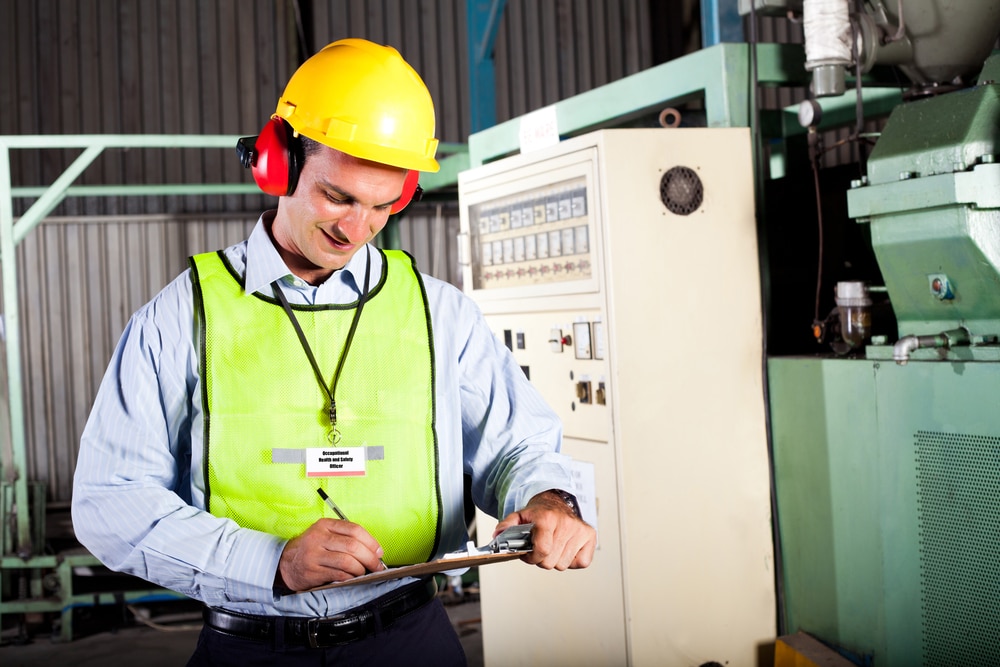
Common workplace hazards can put you at risk, and take you away from the job.

How this can affect accidents at work

If the report by the TUC is correct, then it may not be only worker’s rights that are impacted by companies falling behind. If a company is not adhering to its basic worker’s rights, then they may also not be taking all the steps they can to avoid employees having accidents at work.

The nature of an employee’s work environment may mean they are more likely to have an accident at work, such as jobs in warehouses, building sites and factories. However, this does not mean you can’t suffer an injury in an office environment. But, compared to employees in the construction industry for instance, injuries at work are more prevalent due to its elevated risk whilst working.

Your employer must ensure that you’re working in a safe environment in order to avoid workplace injuries, even if you work in an office. Here are some common workplace injuries that would be a genuine reason   to make an accident at work claim:

  • Electric Shock
  • Eye Injury
  • Head/brain Injuries
  • Fractured/broken bones or dislocated joints
  • Muscle Strains 
  • Slips & Trips – loose carpet, wet floors etc.
  • Falls
  • Exposure to Dangerous Substances
  • Chemical Burns
  • Hearing Damage
  • Falling Object
  • Collisions

Your Employer’s Responsibility

When you are at work, it is your employer’s responsibility to keep you safe. They must adhere to many regulations to ensure they are doing everything they can to avoid accidents and injuries to their employees. These regulations include the Health and Safety Act. it is important that your employer follows these regulations as, not only does it keep you safe, it also ensures that they do not get reprimanded by the Health and Safety Executive.

If employers in the UK are falling behind in their treatment of worker’s rights as the TUC claim, then they are putting their employees at risk of having accidents at work, either through overworking them or not ensuring they are in a safe workspace.

How we can help

Here at The Compensation Experts we work with solicitors who have years of experience dealing with all manner of personal injury claims. This includes accident at work claims. If you have had an accident at work that was due to your employer neglecting their responsibilities, contact us by filling in our contact form. Or call us on 01614138765 to speak to one of our friendly knowledgeable advisors.
With the Easter weekend just around the corner, many people will be looking forward to being able to meet people outside again. However, with the long weekend comes a long weekend of walking, which can lead to a rise in Easter weekend accidents in public places such as parks, in children’s play areas and on pavements.

Easter accidents in public

There are a few accidents that can happen over the Easter weekend. Some of these accidents include: slips or trips on pavements whilst out walking, accidents on children’s playgrounds due to faulty or broken playground equipment, and road traffic accidents. And because we can now meet other people outside, accidents in public places may even increase.

Pavement accidents

The most common type of public accidents are slips, trips and falls. These accidents can happen on the pavement, on the road or on public footpaths in parks. They are usually caused by potholes or defects in the ground.

There are certain rules when claiming for tripping on a pothole or defect in a pavement or road. On a pavement, a pothole or defect must be at least an inch deep or raised. In the road, this must be at least 2 inches deep and at least 12 inches wide.

Playground accidents

With many children on their Easter break from school, going to a playground during Easter weekend may be common. If a child has an accident on a playground due to faulty or broken playground equipment, then you may be able to make a claim on their behalf.

The Responsibility of Local Authorities

The Highways Act 1980 states that local authorities are responsible for keeping all roads and footpaths safe to use. Keeping all roads and pavements marble smooth at all times is both unnecessary and impractical. However a council has a legal duty to repair any damage that occurs to surfaces. They must do this by making repairs within six months of being notified of the risk. If a local council does not do this and someone has an accident, then they may be liable.

Road traffic accidents

If you have had a road traffic accident because of someone else’s carelessness on the road, then you may be able to claim compensation.

When you have a road traffic accident, your injuries can be severe. They can range from whiplash and soft tissue damage, to more serious injuries. In the worst cases, they can even be fatal. Even the smallest injuries can take a while to heal after a road traffic accident.

You may have to take time off work to recover, and therefore lose out financially. Your car may have also suffered some damage, and you may even have to replace it. If all of this happened in an accident that was not your fault, then it can be even worse.

How we can help

Here at The Compensation Experts we work with solicitors who have years of experience dealing with all manner of personal injury claims. This includes accidents in public places and on the roads. Contact us today by filling in our contact form. Or call us on 01614138765 to speak to one of our friendly knowledgeable advisors.

A retired window cleaner died from an industrial disease, according to a recent report. Sidney Curtis, 90, died at his home in Sheringham on December 31 last year. The cause of his death was an asbestos illness; mesothelioma and ischemic heart disease.

At an inquest into his death held at Norfolk Coroner’s Court on Friday, March 26 an assistant coroner for Norfolk, said he was a retired owner of a window cleaning company. The court heard how Mr Curtis had gone to his GP in March 2020, complaining of chest pains that had first developed the previous year. Following a number of tests, Mr Curtis was diagnosed with malignant mesothelioma in April 2020.

In a statement, Lisa Harvey, Mr Curtis’ daughter said her family were not sure when her father had come into contact with asbestos, but it was most likely during his time in the cleaning industry.

Asbestos illness

Asbestos-Related Illness Claims

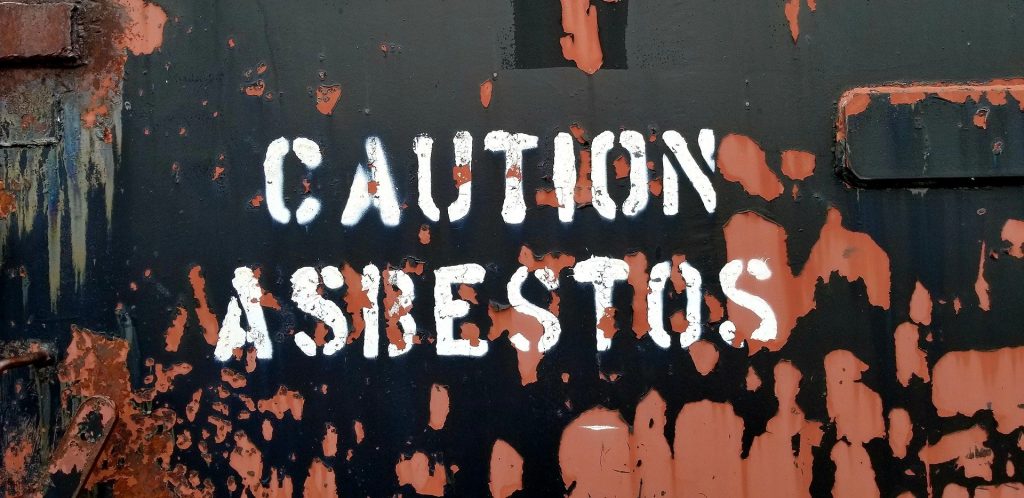
Asbestos was widely used in the UK as a building material from the 1940s until the 1980s. It was then banned. We now know that Asbestos is incredibly harmful to lung function. Working with asbestos without the right protection can lead to life-shortening illnesses. These include asbestosis, asbestos-induced lung cancer, mesothelioma and pleural thickening. If you or a loved one has an asbestos-related disease, then you may be able to claim.

Mesothelioma Related Illness Claims

Mesothelioma is an extremely aggressive type of cancer. Little or intermittent exposure to asbestos fibres often causes it. Similarly to asbestosis, symptoms include:

  • shortness of breath
  • chest pain
  • coughing
  • weight loss
  • loss of appetite.

The cause of virtually all cases of Mesothelioma is asbestos exposure.

All employers, past and present, owe their staff a duty of care to ensure their working environment is safe and staff are not at risk. You may be able to claim for an asbestos-related illness if you believe your employer failed in their duty of care. For example, if they did not provide you with the correct safety equipment. Another example is if they did not tell you the dangers associated with working with asbestos.

Asbestos-related illnesses take decades to form and often have a life-changing effect on all involved. The law surrounding asbestos illness claims is complex. Therefore, you should get solicitors that specialise in these types of claims.

How we can help with asbestos illness claims

Here at The Compensation Experts we work with a group of select legal firms who specialise in the law surrounding mesothelioma and other asbestos related claims. So contact us today by filling in our contact form. Or call us on 01614138765 to speak to one of our friendly knowledgeable advisors.

Electric scooters have become increasingly popular over the past few years across Europe, and, more recently, the UK. This is largely due to the fact that they are easy to use, portable and environmentally friendly. However, the laws around these scooters are widely unknown, and this can lead to electric scooter accidents.

Electric Scooter Laws

Electric scooters, or E-scooters as they are more commonly known, are common in scooter shares around Europe. This is when a person rents the scooter and is able to use it for a certain amount of time. Whilst there are a couple of cities in the UK that are also piloting the scheme, notably Bristol, Bath and London, most E-scooters in the UK are privately owned. This therefore makes them illegal to use on anything other than private land.

Scooters in the UK are classified as “powered transporters”. This means that they fall under the same legislation as motor vehicles. They would therefore need to meet the same standards under the Road Traffic Act 1988 to be legalised in public. They must be insured, registered with the DVLA and taxed. To use an E scooter on private land, you don’t need to have a valid license or insurance. They are not legal for use on public roads. 

As it stands if you’re caught using a privately-owned electric scooter on public land, you’re liable to receive a £300 fine, 6 points on your license and the possibility of having your scooter confiscated.

When using a rental E scooter as part of the trials, The Met Police have also said that fines and penalty points will be distributed for actions reflecting the laws around driving a motor vehicle. These include:

  • jumping a red light
  • riding on the pavement
  • using a mobile phone
  • surpassing the E scooter speed limit

Electric Scooter Accidents

Due to the fact that E-scooters must meet the same standards as motor vehicles, if you have an accident involving an electric scooter then you may be able to make a claim. If the accident was caused by the person riding the electric scooter, then they may be to blame for the accident.

If you have an electric scooter accident as a passenger then you may be able to make a claim. This is because scooters are not legally allowed to be on public pavements, so they would be to blame for the accident. There are other examples where the person riding the scooter is uninsured or untraceable. In these cases, you may still be able to make a claim. The Motor Insurers’ Bureau was set up especially to deal with compensation claims for people who have had accidents involving uninsured or untraceable drivers.

How we can Help

Here at The Compensation Experts we work with solicitors who have years of experience dealing with all manner of personal injury claims. This includes electric scooter accidents and other types of road accidents. Contact us today by filling in our contact form. Or call us on 01614138765 to speak to one of our friendly knowledgeable advisors.

A specialist plant hire company has been fined after a worker was fatally injured, according to the Health and Safety Executive (HSE). The worker was undertaking maintenance on a piling rig when the accident happened.

In 2014, Ben Wylie was assisting the Ruislip Plant Ltd Director Mr Noel Kearney with the maintenance of a high-pressure grease track adjusting mechanism at a construction site in Maidenhead. During the process, someone forcibly ejected the grease nipple assembly and a stream of high-pressure grease from the mechanism. This struck Ben Wylie in the shoulder and chest causing fatal injuries.

The Health and Safety Executive investigated the incident. The investigation found that the components were forcibly ejected the day before and were damaged. Once they ejected the fitting, it should not have been refitted. Despite this, Mr Kearney attempted to modify and refit the grease nipple and adaptor to the high-pressure system. He then began to re-pressurise the tracks by pumping in grease using a hand operated grease gun. The pressure built in the system and at a critical point they then ejected the components. The plant should have done a pressure test with all suitable safeguards in these circumstances. However there was no safe system of work during this. It resulted in the modifications to the grease gun bringing Ben Wylie into the danger zone.

Ruislip Plant Ltd pleaded guilty to breaching Section 3(1) of the Health & Safety at Work etc. Act 1974. The plant hire company was fined £99,000 and had to pay costs of £116, 973.36.

Your Employer’s Responsibility in Accidents at Work

Your employer is responsible for keeping you safe at work. They must make sure that they meet the Management of Health and Safety at Work Regulations (1999). The way they do this is by conducting risk assessments to ensure that everyone is kept safe. Employers must make sure that they do everything possible to avoid staff having accidents whilst at work.

If you are self-employed, you may still be able to claim. A lot of on-site workers often work on a contractor basis. This means that there is still a company that they are working for. If the business fails in their duty to keep you safe, then they may be responsible for your accident.

The Health and Safety Executive said the following about the accident. “This incident could have been avoided if Ruislip Plant Ltd had undertaken a risk assessment and devised a safe system of work.

“That failure to adhere to the correct procedure for pressure testing was directly causative of this incident. Ruislip Plant Limited put no control measures in place by Ruislip Plant Limited and that sadly led to the death of Ben Wylie.”

Plant Hire Company Fined: How We Can Help with Accidents at Work

Here at The Compensation Experts we work with solicitors who have years of experience dealing with all manner of personal injury claims. This includes accidents at work. Contact us by filling in our contact form, or by calling us on 01614138765 to speak to one of our friendly knowledgeable advisors.

We studied top UK industries to determine the best and the worst for employee safety, and the results look positive, with many industries reporting high scores for employee safety. The rate of accident and injury in the workplace is gradually slowing down year on year – but could it be that the COVID pandemic has accelerated this, increasing awareness and attention to detail in employee safety?

On the whole, results show that employees feel safe in the workplace, with the average respondent rating their workplace at 8.1 out of 10. Interestingly, it is not just that they feel safe from the threat of COVID-19. The report also includes workplace machinery, the condition of floors and buildings, and PPE equipment. In almost every area and in every industry, UK employees have scored their workplace highly.

Agriculture  

With a safety score of 7.8 out of 10, Britain’s most dangerous industry seems to have been doing something right. Workplace machinery, the largest concern for farmers, was given a safety score of 7.6, while stability of flooring and building conditions scored 7.4 and 7.7 respectively.

Healthcare 

Healthcare professionals have ranked the distributed PPE in their industry at 8.2, showing most employees feel safe when it comes to personal protection equipment, which is excellent news.

In terms of practical danger, intricate medical machinery ranks among the safest of UK workplace equipment at 7.9. Condition of floors is also up at 8, but interestingly, the general condition of buildings is lower at 7.7. It may be that it’s been all hands on deck in containing the pandemic in hospitals, and general building maintenance has taken a backseat.

Hospitality  

Hospitality again is feeling safe. When asked on a scale of 1-10 (10 being very safe) how safe employees feel in the workplace, the average UK worker in this sector answered 8.3.

However, when asked how safe employees felt when thinking about PPE at their job, the average answer was lower at 7.7 Whilst still high, this shows perhaps a slight slacking of PPE rules in the hospitality industry the longer venues have remained open.

Office work

Dubbed the safest place to work, employees working in offices give their workplaces an average score of 8.4.

Like healthcare, employees feel slightly less safe in regards to the conditions of buildings, dropping to 8 out of 10. Whilst still being high, this may reflect the periods of time offices were vacant during the pandemic; perhaps issues have arisen due to buildings being unused, which are now surfacing as people have returned.

Public service 

Matching office employees with its safety rating of 8.4, the public service too seems to be taking care of its employees. Respondents of the survey ranked workplace machinery 8.2, and condition of floors 8.1.

Unlike general office workers and hospital workers, public service employees feel safer in regards to the general condition of buildings, with the average score 8.2.

Retail 

Respondents in the retail industry have given the industry 7.9 out of 10. Whilst trailing most of the other industries in the study, this still shows retail is overall going in the right direction in terms of employee safety.

Attitudes towards equipment and conditions is also positive, with machinery at 7.8, the state of flooring at 7.7,  and infrastructure at 7.7.

Education  

Designed as an area of wellbeing for children of all ages, you’d expect nothing less than exceptional safety in the classroom, so it’s no surprise that it tops our index as the most highly thought of workplace for safety (8.4), matching offices and the public service. Classroom flooring also scores highly with 8.3, and workplace machinery was 8.4.

When it comes to COVID, the classroom has been hit as hard as any other workplace, but PPE distribution in schools (7.2) is among the worst of any sector. Similarly, 62% of teachers feel social distancing hasn’t been enforced sufficiently, although the practical application could be tricky given the energetic and lively nature of children.

Transport and logistics 

Due to the vehicular nature of the job, it was unsurprising that transport workers consider their day-to-day machinery among the least safe of all industries, and with a score of 7.5, this remains the case.

When it comes to the builds involved in their work, employees are feeling less than safe, with the score coming in at 7.6. Feelings towards safety in regards to PPE was also at 7.7. With Brexit causing a stir amongst the transport industry, it seems worker safety may have taken a hit along the way.  

Warehousing 

Warehousing is regarded as one of the more dangerous industries at 7.9, trailing behind many industries investigated, but still holding a respectable score in the grand scheme of things. When it comes to how safe people feel in regards to machinery it gained a score of 7.8 out of 10.

Conditions of floors were scored 7.7, showing that a sizable amount of people feel safe, although there are still improvements to be made. Like healthcare and office work, general conditions of buildings was lower at 7.5, perhaps for similar reasons to healthcare – with high demand during lockdown, building repairs might not have been a priority.

Compiling workplace data from real employees, we’ve managed to reveal which UK industries are the safest, and which are, indeed, the most dangerous for workplace accidents. For even more expert debate and advice around the subject of workplace safety, enjoy exploring the latest on our blog

Accidents at work can be bad for anyone; having to take time off work when you can not afford it and worrying about work can be stressful. This can be made worse if you have had an accident at a workplace where you are not a permanent member of staff. However, your employer has the same amount of responsibility to an agency or temporary worker as they do to a permanent member of staff.

So if you have had an accident at work as a non-permanent staff member and it was someone else’s fault, then you may still be able to claim compensation.

If you have had an accident whilst working for an agency, temporary contract or sub-contract, you have the same right to claim as a permanent employee. Employers have a duty of care to everyone who is working for the company, including agency staff. Agency staff must have the adequate site induction when starting at a new company. Agency staff must also have the same level of training as a permanent employee would have, and the same risk assessments must also be carried out.

Accidents at Work for Non-Permanent Staff: Your Employer’s Responsibility

It is your employer’s responsibility to keep you safe at work. They must make sure you have the correct training and equipment to be able to do your job correctly. Risk assessments must also be carried out, to ensure the job is done safely. Your employer must follow the Health and Safety at work Regulations.

If your employer has not followed the guidelines to keep you safe at work, or has done so incorrectly, you may be able to claim compensation. We understand that you may feel uneasy about claiming against your employer, however all employers must have employer’s liability insurance. This covers the costs of accidents at work. It is the insurance which would pay the compensation, so your employer would not be directly out of pocket.

Risk Assessments

Industries where non-permanent staff members are common include construction sites, warehouses and production. All of these industries can be dangerous, and require risk assessments. Risk assessments are vital in ensuring that accidents do not happen. The employer is responsible for completing risk assessments. This makes sure that all employees who undertake the job do so safely.

During a risk assessment, your employer takes into consideration factors such as; training needs, the amount of people required to lift the object safely if it is manual handling, how many people are needed to do the job safely, the safety of the equipment being used (if any) and if there are any specific needs to the job, for example machinery or protective clothing.

How We Can Help with Accidents at Work for Non-Permanent Staff

Here at The Compensation Experts we work with solicitors who have years of experience dealing with all manner of accident at work claims. This includes claiming if you have had an accident as a non-permanent staff member. Contact us today by filling in our contact form, or by calling us on 01614138765 to speak to one of our friendly knowledgeable advisors.

Any private premises in the UK has an owner; someone who is responsible for keeping people who visit the premises safe. Private premises can be anything from shops to car parks. Occupier’s liability is the area of law that deals with this duty of care and occupier’s liability accidents. It concerns anyone who owns a property that the public can visit.

The Difference Between Occupier’s Liability and Public Liability

Occupier’s liability refers to anyone who owns a property that the public can visit. Due to this, they are sometimes wrongly referred to as public liability accidents. However, the difference is in the owner of the place where the accident happened. Public liability generally covers places that the council own and are responsible for. Occupier’s liability covers places that are privately owned.

Occupier’s Liability Accidents

The types of accidents that generally come under occupier’s liability accidents include accidents in shops, supermarkets, car parks, restaurants, and private residences. Owners of properties must take steps to help ensure that people do not have accidents on their premises.

There are many causes of accidents that fall under occupier’s liability. Some of these include:

  • Slipping on wet surfaces
  • Tripping over uneven floors or obstacles left in walkways
  • Being struck by a falling object, such as an item falling from a shelf
  • Accidents in car parks due to poor layouts or bad lighting
  • Malfunctioning lifts and automatic doors

These causes of accidents are easy to avoid. The owner of the premises should ensure that they put measures in place to avoid accidents like this from happening. They must ensure they follow rules set out in the Occupiers Liability Act 1957 to minimise the risk of accidents happening. If they fail to do this then they may be liable if someone has an accident on their premises.

Children and Occupier’s Liability Accidents

Some of the more common occupier’s liability accidents involve children. If children are visiting a place that falls under occupier’s liability, then the owner must take extra care to minimise the risk of children having accidents. This is because children tend to be less careful than adults whilst out in public.

If your child has had an accident is a public or private place, then you may be able to claim on their behalf. If your child is under 18, then a parent or guardian may make a claim for them. Their parent or guardian also has until the child turns 18 to make a claim. If the child is over 18 then they have until they are 21 to make a claim themselves.

How We Can Help

Here at The Compensation Experts we work with solicitors who deal with all manner of personal injury claims. This includes accidents in private places. This means that they have the expertise to help you with your potential claim. Contact us today by filling in our contact form or by calling us on 0800 182 2185 to speak to one of our friendly knowledgeable advisors.

Raynaud’s Phenomenon is a common condition that does not usually cause any problems. However, people often confuse it with Vibration White Finger. The difference between Raynaud’s and Vibration White Finger is that VWF is actually a secondary form of Raynaud’s syndrome that is caused by prolonged us of vibrating tools.

Vibration White Finger is also known as Hand Arm Vibration Syndrome (HAVS). People have developed HAVS as a result of prolonged exposure to intense vibration tools over a long period of time.

The Difference Between Raynaud’s and Vibration White Finger

Vibration White Finger, also known as Hand-Arm Vibration Syndrome (HAVS) is a secondary form of Raynaud’s Phenomenon. It usually affects those who work with, or have worked with, vibrating tools over a long period of time.

There are a few things that can cause confusion between the two conditions. The main reason people think that Raynaud’s and Vibration White Finger are the same condition is because of the two having similar symptoms.

The symptoms of Raynaud’s include:

  • Pain
  • Numbness
  • Pins and needles
  • Difficulty moving the affected area

The symptoms of Vibration White Finger include:

  • Whitening or blanching of the fingertips
  • Numbness and tingling in the fingers or hands
  • Cysts in finger and wrist bones
  • Lack of dexterity or grip strength
  • Loss of sensitivity of touch

The two conditions can also be worse in the cold. Vibration White Finger has the same symptoms as Raynaud’s with added ones on top of it.

Causes of Vibration White Finger

Vibration White Finger is caused by the use of vibrating tools over a long period of time. This can be a part of your job, but if you did not have the adequate protection whilst at work and you have Vibration White Finger, then you may be able to make a claim.

Some of the tools that can give off enough vibration to cause VWF include: jackhammers, grinders, breakers, jigsaws, and hand held power tools. This list is not exhaustive, ad any power tool has the potential to cause VWF.

As people who use power tools for a living will be particularly susceptible to VWF as they are using them on a daily basis for long periods of time, employers have a duty to inform employees of the risks associated with the work and to provide adequate safety equipment, such as vibration-absorbing gloves.

Other ways to help prevent VWF include:

  • Taking regular breaks from using vibrating tools
  • Ensuring tools have a regular maintenance schedule and are in good order
  • Undertaking training to ensure you are using tools in the correct way

What to do if you think you have Vibration White Finger

If you think you may have Vibration White Finger, the first thing you should do is make an appointment with your GP to get a diagnosis of the condition. The next thing you should do is make a note of the companies you worked for and how long you worked at each one, the tools you used and the average amount of time you used them per day. This information will help you if you wish to make a claim for VWF.

How We Can Help

Here at The Compensation Experts we work with solicitors who have years of experience dealing with all manner of industrial disease claims. This includes Vibration White Finger. Contact us today by filling in out contact form or by calling us on 01614138765 to speak to one of our friendly knowledgeable advisors.

The agriculture industry is one of the biggest for accidents at work. Agriculture accidents are, according to the Health and Safety Executive, the biggest cause of musculoskeletal disorders in the UK, with 2,030 in every 100,000 workers.

Figures such as this show that the agricultural industry can be a dangerous industry to work in. however, many of these accidents can be avoided by regular risk assessments and adequate training and safety measures. If your employer does not do these things then you may be able to make a claim.

Causes of Agriculture Accidents

The main causes of agriculture accidents include being struck by a moving vehicle or object, falling from height, being injured by an animal, slips and trips, accidents involving machinery and getting trapped in something collapsing or overturning.

Exposure to Asbestos over a long period of time is something that farm workers can be injured by. This long-term exposure to Asbestos can cause serious conditions, such as Asbestosis, Asbestos related cancers, and pleural thickening. Other industrial illness claims that farm workers may develop include noise-related hearing loss, respiratory diseases, certain types of cancer, and even vibration white finger.

It is your employer’s responsibility to ensure that you do not have accidents at work that can cause injury.

Your Employer’s Responsibility

Your employer is responsible for keeping you safe at work. On a farm, this is even more important, as there are a lot of things that can cause an injury. Your employer must make sure that the Management of Health and Safety at Work Regulations (1999) are met, and they do so by conducting risk assessments to ensure that everyone is kept safe. Employers must make sure that they do everything possible to avoid staff having accidents whilst at work.

If you have an accident at work and have to take time off, you should get agricultural sick pay. This means that you should be paid at least the agricultural minimum wage whilst you are off. This is, however, likely to be less than your usual wage. This will be taken into consideration when you are making a claim.

If you are self-employed, you may still be able to make a claim. Farm workers are often self- employed on a contractor basis. This means that there is still a company that they are working for. If the company fails in their duty to keep you safe, then they may be responsible for your accident.

How We Can Help

Here at The Compensation Experts, we work with solicitors who deal with personal injury claims daily. This includes accidents at work, and agriculture accidents. Call us today on 0800 182 2187 to speak to our friendly helpful advisors or fill in the contact form on our website and we will call you back.

Cycling is a travel option that divides a lot of people. On the one hand, it is better for the environment and our health, but on the other hand some people argue that cyclists do not follow the rules of the road, and have a disregard of their and others rights. You may think that cyclists rights on the roads are different than vehicles because they do not have to pay the same road tax. That is not true, cyclists rights on the roads are essentially the same as vehicles rights on the roads.

Cyclists Rights on Roads

Cyclists have the same rights on the roads as other road users, but they also have other rules. For example, at a junction, cyclists are usually permitted to go ahead of vehicles to stop at traffic lights.

Cyclists can use the full width of the lane as much as anyone else. They are also allowed to ride two abreast. Cyclists do not have to use the designated cycle lane on the roads. However, cyclists are encouraged to ride single file where possible to avoid collisions.

Bicycles do not have to have a bell fitted by law. The law states that calling out to give a warning is sufficient. The only equipment that a bicycle must legally have are reflectors and working brakes, plus front and rear lights if the cyclist intends to bike at night. However, the Highway Code does advise consideration of pedestrians in this, and whilst calling out may be acceptable, a bell may be more socially considerate.

Lane Splitting

Lane splitting, when cyclists undertake and overtake cars and change lanes in order to move through traffic faster, is perfectly legal.

The Highway Code states that road users should be aware of others when travelling. It also mentions cyclists should avoid filtering in and out of traffic if it could cause conflict with another person. An example of this is when approaching a junction. Overtaking is the safest way to do this, as it is generally less dangerous than undertaking.

Speed Limits

Unlike vehicles, there is no speed limit for cyclists on the roads. However, some local authorities do impose speed limits for cyclists. They must also follow a speed limit in the Royal parks.

Although speeding is not an offence in itself, cyclists who cycle dangerously are committing an offence under section 28 of the Road Traffic Act 1988. This means that they can face fines of up to £2500. Careless cycling is also an offence under section 29 of the Road Traffic Act 1988. This is when a cyclist uses the road without due care and attention for other road users. A cyclist doing this may face a fine of up to £1000.

The Most Common Causes of Cycling Accidents

Accidents involving cyclists can happen for all sorts of reasons. However, in our experience, the most common causes of cycling accident claims include:

  • Hit and run road traffic accidents.
  • Collision with a car, vehicle or even another cyclist or a pedestrian.
  • Vehicle doors opening into the path of an oncoming cyclist.
  • Potholes, worn tarmac, raised manhole covers and other defects in the road.
  • Any slippery road conditions due to oil spills, ice and snow.

Many cyclists don’t realise that if an accident was someone else’s fault, a cyclist can claim compensation.

Who Is at Fault for Cycling Accidents?

There are instances in cycling accidents where the cyclist may be at fault, and there are instances where it may be someone else’s fault. instances where a cyclist may be at fault include not wearing high visibility clothing, not having lights on their bike, cycling whilst under the influence of alcohol or drugs, or cycling carelessly. If a cyclist has not followed the rules set out in The Highway Code, then they may also be at fault.

Cyclists Rights on Roads: How We Can Help

Here at The Compensation Experts we work with solicitors who have years of experience in all manner of personal injury claims. This includes accidents on the road involving cyclists. Contact us today by filling in our contact form, or by calling us on 0800 182 2187 to speak to one of our friendly knowledgeable advisors.

The retail industry is one of the major industries in the UK, employing around 3 million people. As with any industry, retail accidents are a risk factor that many employees face. However, if their employer is not taking care to do all they can to stop accidents at work, then they may be at fault if an employee has an accident.

Causes of Retail Accidents

There are two main causes of retail accidents at work. These are: slips, trips and falls and manual handling.

Slips trips and falls are the most common cause of any accident at work. According to the Health and Safety Executive, these accidents account for around 40% of all reported accidents in the retail industry. They can happen because of spillages, wet floors, uneven flooring, equipment or stock on the floor, damaged flooring, and much more.

There are a number of health and safety guidelines that your employer must follow to stop accidents like this happening.

Manual handling accidents often happen due to inaccurate or inadequate training. If someone does not have the proper training to lift stock or deliveries and they injure themselves whilst doing so, then their employer may be responsible. There are health and safety rules which employers must follow to minimise the risk of these accidents happening.

Your Employer’s Responsibility

Employers must make sure that they do everything in their power to make sure their employees do not have any accidents whilst working. There are health and safety guidelines that they must follow to do this. These guidelines include the Manual Handling Operations Regulations 1992 and the Health and Safety at Work Act 1974.

Employers must also ensure that they carry out regular risk assessments. These risk assessments cover both working practice and working environment. For example, risk assessments must be carried out on any carpeted areas at work to ensure that they are not damaged and safe to walk on. They must also carry out risk assessments for how the employees work, such as lifting and handling assessments. This ensures that employees are trained safely on how to do their jobs.

If employers fail to carry out these risk assessments and an employee has an accident, then they may be to blame for the accident.

Claiming Against Your Employer

When you make a claim against your employer for an accident at work, the claim comes from an insurance policy. This is known as Employer’s Liability Insurance. All employers in the United Kingdom must have this insurance. It protects them when accidents happen, as the compensation comes from the insurance. Therefore, it is the insurance company that pays the compensation; it does not come directly out of your employer’s pocket.

How We Can Help with Retail Accidents

Here at The Compensation Experts we work with solicitors who have years of experience dealing with all manner of personal injury claims. This includes retail accidents at work. Contact us by filling in our contact form, or by calling us on 0800 182 2187 to speak to one of our friendly knowledgeable advisors.