Start your claim now

Astonishingly, there are over 12,000 road traffic accidents each year caused by some form of impairment or distraction. This comes as it’s also revealed that you’re twice as likely to have a crash while texting than drink driving. But do our cars contribute at all to the difficulty in maintaining concentration? We’ve revealed the best and worst models for helping you to keep focus behind the wheel, as well as our top tips to avoid distraction on the road.

Revealed: the cars to avoid for distracting driving

To determine the most distracting in-car entertainment system, 20 models were tested and scored out of 30 in a recent study by Whatcar? This total combined six scoring factors, including how easy it is to alter settings and user-accessibility*.

Analysing the results, there’s no model with a more distracting interface than the MG ZS EV (12). The MG car scored lowly across most categories, only redeemed slightly by the conveniently large and operational air-con dials. Scoring similarly poorly, you should also aim to steer away from the Fiat 500X (14) and Skoda Citigo-e iV (16), for a distraction-free driving experience. Rounding off the worst five cars, we also have the Peugeot 508 SW (17) and the Lexus RX (18).

At the other end of the scale, the BMW 3 Series gets full marks in almost all scoring categories; it offers the least distracting infotainment system, with an impressive test score of 28/30. Joint second, we have the Mercedez-Benz CLA (27) and the Porsche Panamera E-Hybrid (27), while the Audi Q3 Sportback (26) and Mazda3 (25) complete the top five.

We’ve outlined the complete ranking order below:

RankBrandCar systemPoints
1MGMG ZS EV with 8.0in touchscreen12
2Fiat500X with 7-inch touchscreen and Uconnect Live14
3SkodaCitigo-e iV with colour screen and phone holder16
4Peugeot508 SW with 10-inch Connected 3D Navigation and voice recognition17
5LexusRX with 12.3-inch multimedia display18
6HondaCR-V with 7-inch touchscreen, Honda Connect and Garmin navigation18
7NissanJuke with Nissan Connect19
8ToyotaCorolla with Touch 2 media system and Apple CarPlay and Android Auto20
9VolvoS60 with Sensus20
10JaguarXE with 10-inch Touch Pro Duo system21
11Skoda (premium)Kamiq with 9.2-inch touchscreen, voice control and Amundsen sat-nav21
12VauxhallCorsa with 10-inch Multimedia Navi Pro22
13HyundaiIoniq with 10.25-inch touchscreen and Bluelink connectivity22
14FordFiesta with Sync 3 navigation and FordPass Connect23
15VolkswagenPassat GTE with 8-inch Composition Media system24
16MazdaMazda3 with 8.8-inch colour display and Mazda Connect25
17AudiQ3 Sportback with Virtual Cockpit Plus26
18PorschePanamera E-Hybrid with Connect Plus and Porsche Communication Management27
19Mercedes-BenzCLA with 10.25-inch touchscreen27
20BMW3 Series with Live Cockpit Professional28

Top tips for avoiding distractions while driving

Collaborating with driving instructor John Parry from Parrys Fleet Services, we’ve provided our top tips to follow to avoid distraction while on the road:

1. Put your device away

To avoid temptation while driving, place your mobile device out of sight and out of reach, ideally in the glove box or tucked away in a bag.

2. Know where you’re going

If you’re using a navigation system for directions, make sure to input the destination before you set off, rather than mid-journey.

3. Ask passengers for help

If you’re driving with somebody else in the passenger seat, don’t be afraid to ask for help to navigate, make a call, or send a message.

4. Pull over

If you must make a call or send a message while driving, make sure to first pull off the road safely and stop.

5. Be a good passenger

If you’re in the passenger seat, keep alert to any distractions or dangers your driver may not have noticed. Don’t be afraid to speak up if you spot something.

6. Don’t be a distraction

If you know that a friend or family member is driving, avoid calling or texting them. Even if they’ve put their phone aside, they may be distracted by a ping or ring.

7. Activate do not disturb

Turning on the ‘Do not disturb’ feature on your Apple or Android device will prevent calls from coming in while you’re driving.

Our top tips aren’t just suited to drivers; pedestrians and cyclists should also make every effort to avoid distractions. This means you should never text, call, or play games while walking or cycling.

Methodology

Rankings were gained from a recent What Car? study

To rank each of the 20 types of car brands, What Car rated each on six different scoring elements. Each element was worth an equal five points. These were:

  1. Turn up the temperature by two degrees.
  2. Increase the fan speed by two settings.
  3. With a 20-mile route programmed into the satnav and the infotainment screen on the home page, go to the map screen and zoom out to see the entire route.
  4. Cancel route guidance.
  5. With the radio tuned to Virgin Radio DAB, and the infotainment screen on the home page, go to the main list of DAB stations and switch to BBC Radio 4.
  6. Using the voice control button on the steering wheel (if fitted), ask the car to find the nearest service station.

With some cars noticeably worse than others for distracting you from the road ahead, whether through dashboard difficulty or complicated controls, it’s important to consider how your vehicle affects your driving safety. For even more helpful advice and expertise, head on over to our blog.


This week (17th-23rd May) is action on brain injury week, hosted by the charity Headway. There is a different theme every year, and the theme of this year’s campaign is A Life of Lockdown. It sets out to highlight the effects of lockdown and isolation during the recovery period of suffering an injury.

Brain injuries are often serious injuries and so can mean your life can change drastically. You may require modifications to your home or vehicle or may have to give up work. In some cases, people who suffer them may require support from a carer.

Causes of Brain Injury

There are a number of causes of brain injury with varying levels of severity. Some of these include:

If you or a loved one have suffered a brain injury and it was someone else’s fault, then you may be able to claim compensation.

Effects of Brain Injury

A brain injury can have a wide range of effects. While many people recover quickly after a minor head injury, this is not always the case and people may experience longer-term effects. 

The more severe the injury, the longer-term and more pronounced the effects are likely to be. Some people may spend time in a coma, or experience a more prolonged reduced awareness state. During the early stages of recovery, brain injury survivors often go through a stage where they have no continuous memory of day-to-day events. Their behaviour may also be very uncharacteristic and confused. 

A brain injury can cause behavioural and emotional changes, hormonal imbalances, difficulties with cognition and memory, a range of communication problems, physical effects and, very commonly, fatigue. 

brain injury

Claiming on Behalf of Someone Else

Many brain injuries mean that the person who suffered them may not be able to make a claim for themselves. This may be due to the injury meaning they do not have the mental capability to make a claim. In cases where this happens, the person’s next of kin, or a person who is legally allowed to, such as someone who has power of attorney, will be able to make a claim on their behalf.

In circumstances where a loved one dies from their brain injury, the next of kin can also make a claim on their behalf if it was someone else’s fault.

We know that, when a loved one suffers a serious injury such as a brain injury, the last thing you may be thinking about is making a claim. However, the solicitors we work with can help with the stress of the financial impact that an injury like this can have.

How We Can Help

Here at The Compensation Experts we work with solicitors who have years of experience dealing with all manner of personal injury claims. This includes accidents that cause brain injury. So contact us by filling in our contact form. Or call us on 01614138765 to speak to one of our friendly knowledgeable advisors.

Children are the most prone to accidents overall, according to the Royal Society for the Prevention of Accidents (RoSPA). They also state that there are approximately 40,000 injuries to children on playgrounds each year which result in a hospital visit. Due to this, there are some children’s accidents that are more common than others.

Common Children’s Accidents

Common children’s accidents can include:

  • Cycling accidents
  • Playground accidents
  • Home accidents
  • Injuries from a faulty or dangerous toy or product

Cycling Accidents

A bike accident can happen for all sorts of reasons. However, in our experience, the most common children’s cycling accident claims include hit and run, any slippery road or pavement conditions due to oil spills, ice and snow, and injuries relating to faulty bicycle parts or repairs.

Many cyclists do not realise that, if a bike accident that was someone else’s fault, they can claim compensation.

Playground Accidents

There are many causes of playground accidents. Sometimes, it is the child’s fault, or it is a by-product of playing. These are accidents that cannot be claimed for. However, if the accident was caused by faulty or unsafe playground equipment, then there may be grounds for a claim.

The main cause of accidents due to unsafe playground equipment is poorly maintained equipment. Other causes include broken equipment, poor equipment design, failure to comply to safety standards, poor layout of equipment, incorrect installation, and poor installation.

Home Accidents

Children are amongst the most likely to have accidents in the home. You may think that if your child has an accident in your home that you may not be able to make a claim. There are a few instances where there are grounds to make a claim. These instances include claiming for faulty products, claiming against a contractor whose work has caused an accident, or an accident that has been caused by negligence on the part of your landlord.

Common reasons that an accident may be the fault of your landlord if you live in rented accommodation include:

  • Poor lighting
  • Defective outdoor steps or indoor stairs
  • Ripped carpets
  • Loose or missing floorboards
  • Broken or loose paving stones
common children's accidents

Claiming on Behalf of A Child

If a child has an accident, then a parent or guardian may be able to make a claim on their behalf. Any compensation received is put into a special fund or trust for the child to access when they turn 18. Or managed by trustees to cover the cost of caring for a child with a disability sustained as the result of their injury.

Usually in personal injury cases, there is a three-year time limit to make a claim. however, this is not the case if a child has an accident. In that case, a parent or guardian can make a claim on their behalf until they turn 18, and after that, they have until they turn 21 to make a claim for themselves.

How We Can Help With Common Children’s Accidents

Here at The Compensation Experts, we work with solicitors who have years of experience dealing with all manner of personal injury claims. This includes children’s accidents. Contact us today by filling in our contact form. Or call us on 01614138765 to speak to one of our friendly knowledgeable advisors.

According to a recent report by the Health and Safety Executive (HSE), two construction companies have been fined as a worker was crushed and has suffered serious injuries after an excavation collapse. The employees were carrying out drainage works within an excavation on a construction site in 2018 when a section of the unsupported wall collapsed and crushed one of the workers. This caused the worker serious injuries.

An investigation by the Health and Safety Executive (HSE) identified that W & E Lammie failed to plan the precautions or practicable steps necessary to prevent danger to any person entering the excavation, failed to provide supports or battering to ensure the excavation did not collapse and failed to provide appropriate training and supervision to the employees carrying out the drainage works. The investigation also identified that in their role as principal contractor,
Auberne Homes Limited, failed to plan, manage, and monitor the drainage works being carried out on their construction project.

Speaking after the hearing, HSE inspector Duncan Officer said: “This incident could so easily have been avoided had the excavation work been properly planned and carried out by suitably trained individuals to ensure that the appropriate safety measures were implemented to prevent excavation collapse. Had the principal contractor
carried out suitable checks they could have been identified that those carrying out the work were untrained and that safe working practices were not being followed on site.”

serious injuries on construction site

Crush Injuries

Crush injuries can occur when a heavy load collapses, trapping someone beneath. For example, materials falling from a warehouse shelf or collapsed structures on a building site. The object does not have to fall very far to cause serious crush injury.

Employers are responsible for keeping the work environment as safe as possible. They must also supply Personal Protective Equipment (PPE) to protect workers from crush injuries. Therefore an employer may be liable for a worker’s injuries if they fail to supply PPE such as hard hats and steel toe-capped boots.

Employers must also follow health and safety rules, such as The Construction (Design and Management) Regulations 2015. If they do not follow these then they may be liable for the accident. This was the case in the situation with the worker in the HSE investigation.

Serious injuries

Serious injuries are life-changing injuries that have a catastrophic effect on the injured person’s quality of life. Examples include brain injury, spinal cord injury, amputation, severe burns and blindness.

Anyone who sustains a serious injury will be facing a less-independent future. On a practical level, they may have to change jobs or give up work altogether. This can place a strain on their finances. Specialist equipment such as wheelchairs, prosthetics or visual aids may be needed, and modifications may need to be made to the family home. Some injured persons will also require 24-hour ongoing support.

No amount of compensation can reverse the impact of a serious injury but it can cover the cost of rehabilitation. Our panel of serious injury claims solicitors are on hand to ensure that you get all the care and support you need.

How We Can Help With A Serious Injuries Claim

Here at The Compensation Experts we work with solicitors who have years of experience in all personal injury claims. This includes accidents at work and serious injuries. So contact us today by filling in our contact form. Or call us on 01614138765 to speak to one of our friendly knowledgeable advisors.

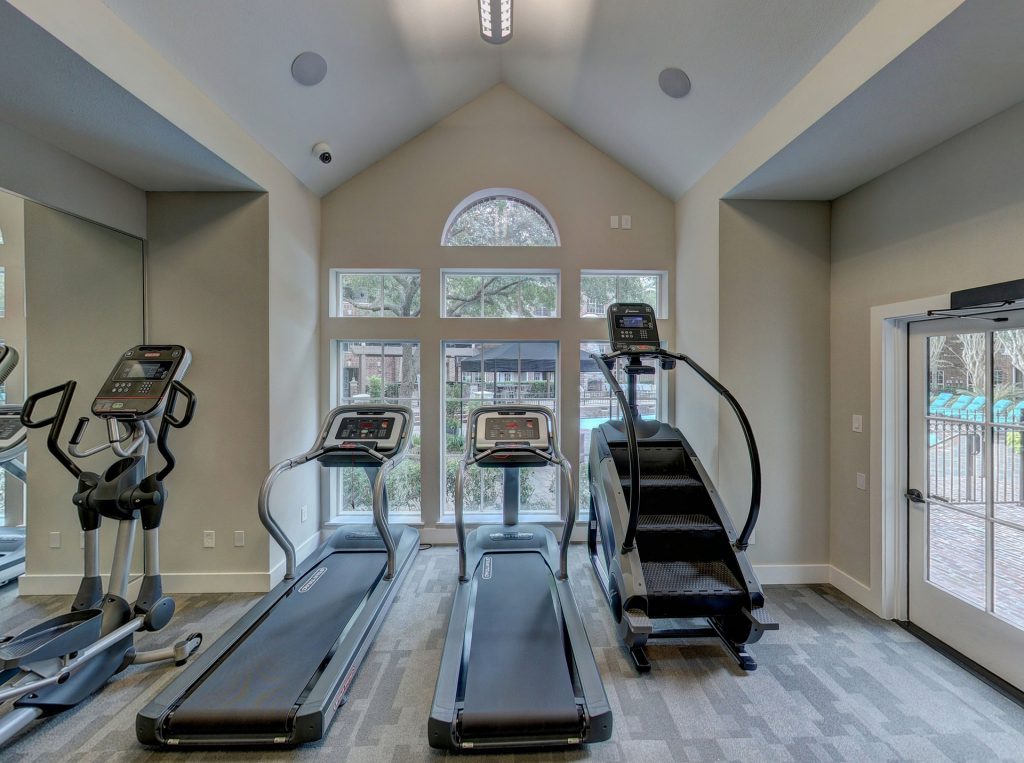
There has been reports recently of accidents happening on home treadmills, causing injuries and even death. It has caused Peloton to announce that it was recalling all its treadmills with immediate effect in the USA and the UK. With reports of injuries and even deaths surrounding the equipment, there is likely to be plenty of discussion around accidents on home treadmills and their safety risks.

According to the Royal Society for the Prevention of Accidents (RoSPA) more than 2.7 million people attend A&E seeking treatment after having accidents at home.

You may think that if you have an accident on a home treadmill that you may not be able to make a claim. There are a few instances where there are grounds to make a claim. This includes if the treadmill is faulty.

There are many reasons that an accident may happen on a home treadmill, however, if the accident happens because the product is faulty, then it may be the fault of the manufacturer and you may be able to make a claim.

Accidents on Home Treadmills

Faulty Product Claims

We know no one expects products to cause injury, but if a product is faulty or malfunctions, then you may be able to make a claim. You may be able to make a claim for a faulty product if there is a fault in the design or manufacture of the product. You may also be able to make a claim if the product was not maintained correctly. This includes accidents on home treadmills that are defective.

All product manufacturers must follow The Consumer Protection Act 1987. It states that people who buy a product may recover any losses caused if it was defective and caused injury.  Manufacturers must also make the consumer aware of any risks of the products.

If you have had an accident involving a faulty product, then you may be able to claim compensation. We recommend that you keep the product, or at least a photo of it, and the receipt if you still have it.

Claiming on Behalf of a Child

It is a fact that children are the most likely to have accidents in the home. In fact, the death that caused Peloton to recall it’s treadmills was a child. If your child is under the age of 18, you can make a claim on their behalf for any accidents they may have had. The general rule for making claims for compensation states that you have three years in which to make a claim. However, if the claim is on behalf of a child, you have until the child is 18 to make a claim on their behalf. Following that, they then have until they are 21 to make a claim for themselves.

How We Can Help with Accidents on Home Treadmills

Here at The Compensation Experts we work with solicitors who have years of experience dealing with all manner of personal injury claims. This includes accidents on home treadmills. Contact us today by filling in our contact form. Or call us on 01614138765 to speak to one of our friendly knowledgeable advisors.

Sick pay has become a contentious topic in recent times, with countless Europeans required to take time off work to recover from illness as a result of the coronavirus pandemic. However, there’s very little consistency across Europe, in terms of sick pay, with some nations offering benefits far better than their continental neighbours.

Undertaking research to reveal the sick pay packages of every European nation, The Compensation Experts has been able to rank each on how well they compensate their nationals in times of ill health. Read on to discover which country tops the charts and uncover the final standings.

Icelandic sick pay package considered the best in Europe

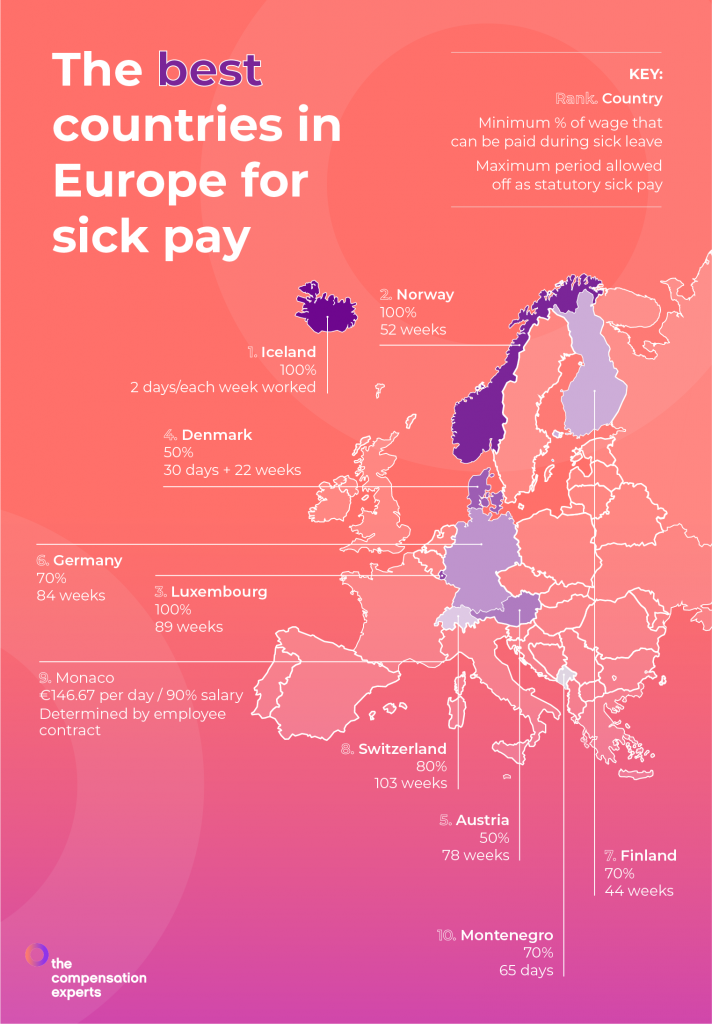
According to our research, Iceland leads the way in Europe for their workers’ sick pay package. Employees across the Nordic island are entitled to an impressive 100% of their wage for a minimum of two days for every month they’ve been in employment. However, Icelandic workers’ unions usually step in if a citizen exceeds their entitlement.

Trailing closely, fellow Northern European nations Norway and Denmark also offer acclaimed sick pay entitlement; each provides nationals with 100% of their salary, with the Norwegian government covering a worker for up to a year, and Danes covered for up to 22 weeks within a nine-month period. Similarly, citizens of Luxembourg are also treated to their full salary when sick, for up to 89 weeks, while Austrians are allowed 100% pay for their first 12 weeks off work.

Despite sitting top of the European GDP tree, powerhouse Germany sits just outside the top five in terms of offering an effective sick pay package for workers, allowing between 70-100% entitlement for up to 84 weeks. Rounding off the top ten European nations, according to their sick pay mandate, we have Finland, Switzerland, Monaco, and Montenegro, who all offer employees off-work compensation in the region of 70-100% of their salary for varying time frames. Particularly impressively, Swiss citizens are able to claim sick pay for up to two years.

British sick pay entitlement among the worst in Europe

As far as poor sick pay packages go, the UK offers one of the worst entitlements across the continent, with employees eligible for only £96.35 per week, for up to 28 weeks. The UK government’s involvement also ceases after just the fourth day of absence, after which the employer is required to step in and continue payments. Astonishingly, though, the Maltese and Irish are treated to even worse, with the latter nation not even having any legal sick pay obligation in place.

Neighbouring Central-Eastern nations Slovakia and Ukraine are also among the worst for workers needing time off work. Ukrainians, in particular, can be put in a difficult position in instances of severe illness; while there’s no formal timeline, and the country’s Social Security Fund will cover a citizen for as long as a doctor prescribes, employees can be legally fired from their job if off work ill for longer than four months.

Big money nations across the continent in France, Italy, Russia, and Spain also sit lowly, all positioned well outside the top 20 for sick pay for their respective nation’s workers. The best of a bad bunch, though, Spain are positioned 28th continentally, with Spanish employees entitled to up to 75% of their salary for up to 78 weeks.

We’ve outlined the complete overall sick pay standings below:

European rankCountryMinimum sick payMaximum sick payMaximum period
1Iceland100%100%2 days for each week worked
2Norway100%100%52 weeks
3Luxembourg100%100%89 weeks
4Denmark100%100%30 days + 22 weeks
5Austria50%100%78 weeks
6Germany70%100%84 weeks
7Finland70%100%44 weeks
8Switzerland80%100%103 weeks
9Monaco€146.67 per day / 90% salary€146.67 per day / 90% salaryDetermined by employee contract
10Montenegro70%100%65 days*
11Lichtenstein80%80%104 weeks
12Belgium25.88100%52 weeks
13Bosnia and Herzegovina80%80%52 weeks
14Belarus80%100%150 days
15Albania70%80%28 weeks
16Slovenia80%80%30 days*
17Sweden77.60%80%52 weeks
18Croatia70%100%Unlimited
19Netherlands70%70%104 weeks
20North Macedonia70%90%30 days*
21Bulgaria70%80%78 weeks
22Latvia75%80%52 weeks
23Romania75%75%40 weeks
24Serbia65%100%30 days*
25Hungary60%70%54 weeks
26Estonia70%70%26 weeks
27Poland70%100%31 weeks
28Spain60%75%78 weeks
29Lithuania62.06%100%13 weeks
30Czech Republic60%72%56 weeks
31Cyprus60%Varies upon social insurance46 weeks
32Portugal55%75%156 weeks
33Russia50%100%Determined by a doctor
34Andorra53%66%156 weeks
35Greece50%100%Length of employment dependent
36Italy50%66%26 weeks
37France50%50%26 weeks
38Slovakia25%55%53 weeks
39Ukraine50%100%5 days*
40United Kingdom£96.35 per week£96.35 per week28 weeks
41IrelandNo legal minimum sick pay100%Determined by employee contract
42Malta€420.30 per month.€420.30 per month.22 weeks

Methodology

Analysing the sick pay packages across every European nation, our experts ranked each according to their respective minimum and maximum pay and the timeframe an employee is entitled to claim. Minimum and maximum pay is a percentage of an employee’s salary, unless specified.

*This is the period an employer pays for a citizen’s sick pay. Beyond this, the state continues to pay until a full recovery, or an employee is deceased.

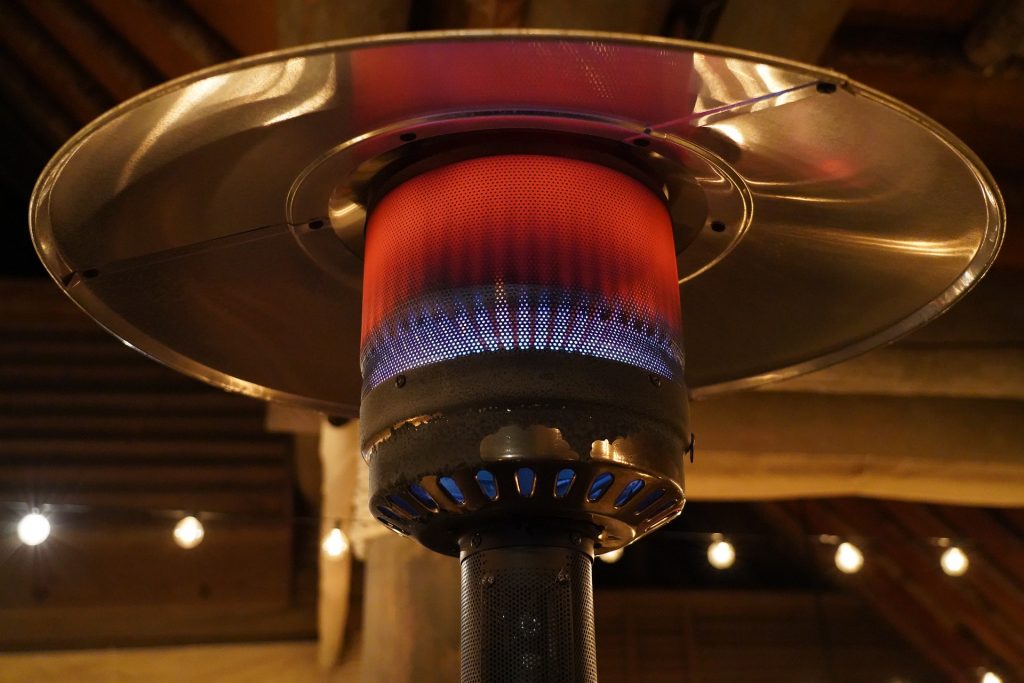
Three people have been injured in an ‘explosion’ in an outside area of a pub in Suffolk, according to recent reports. The cause of the accident is thought to have been a small portable fuel heater.

“Two females and one male remain in hospital after sustaining serious injuries which are not believed to be life-threatening but are potentially life-changing,” Suffolk police said. “Officers were called following reports of an explosion in the outside area of the Kings Head pub. It is believed the fire was caused by a small portable fuel heater.”

Accidents in private places such as pubs can be unavoidable, however, if the accident was the fault of the owner of the premises, then you may be able to make a claim.

accidents in public places

Accidents in Private Places

Any private premises in the UK has an owner; someone who is responsible for keeping people who visit the premises safe. Private premises can be anything from shops to car parks, and also includes pubs. Occupier’s liability is the area of law that deals with this duty of care and occupier’s liability accidents. It concerns anyone who owns a property that the public can visit.

Accidents can be easy to avoid. The owner of the premises should ensure that they put measures in place to avoid accidents like this from happening. They must also follow rules set out in the Occupiers Liability Act 1957 to minimise the risk of accidents happening. If they fail to do this then they may be liable if someone has an accident on their premises.

In the case of the ‘explosion’ outside the pub, if the owner of the pub did not ensure that the heater was safe for public use, or did not follow the rules of the heater, for example, if it should have only been on for a certain amount of time, then they may be at fault for the accident. The owner of the pub should also ensure that heaters are working properly. They should do this by carrying out tests and risk assessments to check it was working properly. If they did not do this, then this may be another reason they may be at fault.

Life-Changing Injuries After Accidents in Private Places

A life-changing injury is an injury that is serious enough to affect the way a person lives their day-to-day life. They can mean that a person must make a lot of changes to their life. These changes can include:

  • Having to give up work
  • Modifications to their home or vehicle
  • Mobility aids
  • Needing a carer
  • Rehabilitation

 The solicitors we work with can help you cover some of the financial costs associated with a life-changing injury.

How We Can Help

Here at The Compensation Experts we work with solicitors who have years of experience dealing with all manner of personal injury claims. This includes accidents in private places and Occupier’s Liability accidents. So contact us today by filling in our contact form. Or call us on 01614138765 to speak to one of our friendly knowledgeable advisors.

A serious injury is usually life changing. It can alter your life physically and may also impact you mentally. Specialist care and support may become necessary, and you may also have to rethink your employment, living arrangements, personal care, and daily activities. For some people, serious injury will put an end to their working lives. This is why serious injury compensation claims are important.

Some common examples of serious injuries include:

  • Amputations
  • Brain and head injuries
  • Paralysis
  • Injuries to internal organs
  • Burns and skin damage
  • Back and spinal injuries

Any type of accident has the potential to cause catastrophic injury, therefore causes of serious injuries can be varied and can include motorcycle accidents, falls from height, public accidents, accidents at work and road traffic accidents.

Making a Serious Injury Compensation Claim

We understand that after you have had an accident, especially a serious accident, the last thing you may want to do is make a claim. However, anyone who sustains a serious injury will be facing a less-independent future in which they will require expert care and support. On a practical level, they may have to change jobs or give up work altogether which can place a strain on their finances. Specialist equipment such as wheelchairs, prosthetics or visual aids may be needed, and modifications may need to be made to the family home. Some injured persons will require 24-hour ongoing support. The solicitors we work with can help you cover some of the financial costs associated with a serious injury. These costs include:

  • Continuing treatments such as physiotherapy
  • Rehabilitation
  • Mobility aids
  • Changes to your home or vehicle
  • Other equipment that can make life easier
  • Loss of earnings

Are There Any Time Limits for Making Serious Injury Compensation Claims?

Court proceedings for serious injury claims must be issued within three years of the accident or the date on which you became aware that you had suffered a serious injury as a result of the accident if this is later.

For children, the three-year period does not start to run until the child’s 18th birthday.

Can Serious Injury Claims Be Made on Behalf of Someone Else?

If the injuries are too serious for a person to bring their own claim, perhaps due to brain injury, then a claim may be made on their behalf. Such Claimants are known as “protected parties.”

The person who makes a claim on behalf of a protected party is called a “litigation friend.” The litigation friend will be responsible for conducting the claim and negotiating the compensation settlement in the best interests of the protected party. In cases of incapacity, the three-year window for making a claim does not start to run until the injured person recovers the ability to conduct litigation for themselves.

How We Can Help

Here at The Compensation Experts we work with solicitors who have years of experience dealing with personal injury claims. This includes serious injury claims. So contact us today by filling in our contact form. Or call us on 01614138765 to speak to one of our friendly knowledgeable advisors.

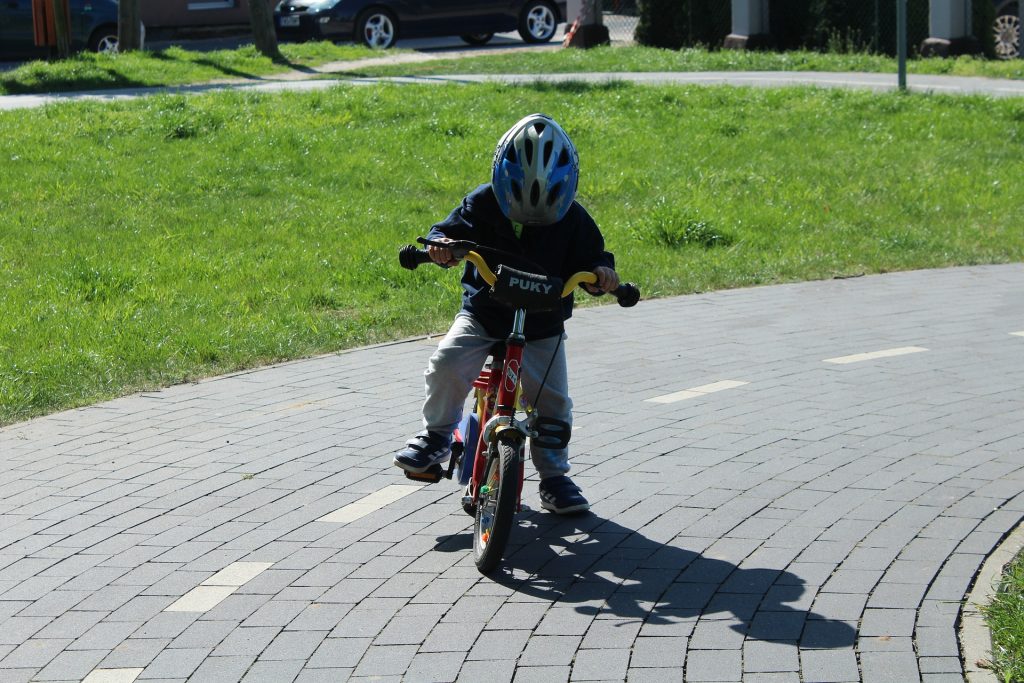
Now that the weather is improving, it is natural that children and adults alike may want to get out cycling. However, with more people around comes the heightened risk of children’s cycling accidents. There are some incidents where there may be an accident involving children where it is just that, an accident. However, if your child has had an accident where someone is to blame, then you may be able to claim compensation on their behalf.

Common Causes of Children’s Cycling Accidents

Many children have cycling accidents due to a variety of reasons. Some of these include:

  • Hit and run accidents
  • Cycling accidents in public areas such as skateparks and parks
  • Accidents due to defects in playgrounds and pavements
  • Slippery road or pavement conditions
  • Collisions with other cyclists or pedestrians

If your child has had a cycling accident due to one of these reasons, then it may be someone else’s fault and you may be able to make a claim on their behalf.

Children's cycling accidents

Minimising Risks of Children’s Cycling Accidents

The nature of children means that they may have accidents that there is no one to blame for. There are certain ways that you can minimise your child’s risk of having an accident by taking certain precautions. Here are a few tips from the Royal Society for the Prevention of Accidents (RoSPA) on how you can maximise the enjoyment and minimise the risk:

  • Carry out a regular safety check (tyres at the correct pressure, brakes working and nothing loose like spokes, saddle or handlebars)
  • Wearing a cycle helmet will help provide protection to the head in the event of a collision or falling off (remember to replace if damaged)
  • Make sure your child is not wearing any loose clothing or shoelaces, which could become tangled in the chain or wheels
  • Parents should ride with children to their competence and ability. Get them to demonstrate that they can safely control their bike and deal with other traffic
  • For older children, if they are riding away from home plan the route with them; use cycle tracks and avoid busy roads and junctions if possible.

Claiming on Behalf of a Child

If a child is injured in an accident, then a parent or guardian may be able to make a claim on their behalf. The time limits are also different when making a claim on behalf of a child. Ordinarily a person would have three years from the date of the accident to make a claim. This is different when claiming for a child.

In the case of a child’s accident, you have until they turn 18 to make a claim on their behalf. They then have three years from the date they turn 18 to make a claim. So, in theory, you may have a longer time in which to make a claim. however, it is always better to start a potential claim as soon as possible.

How We Can Help

Here at The Compensation Experts, we work with solicitors who have years of experience dealing with all manner of personal injury claims. This includes children’s cycling accidents. Contact us by filling in our contact form. Or call us on 01614138765 to speak to one of our friendly knowledgeable advisors.

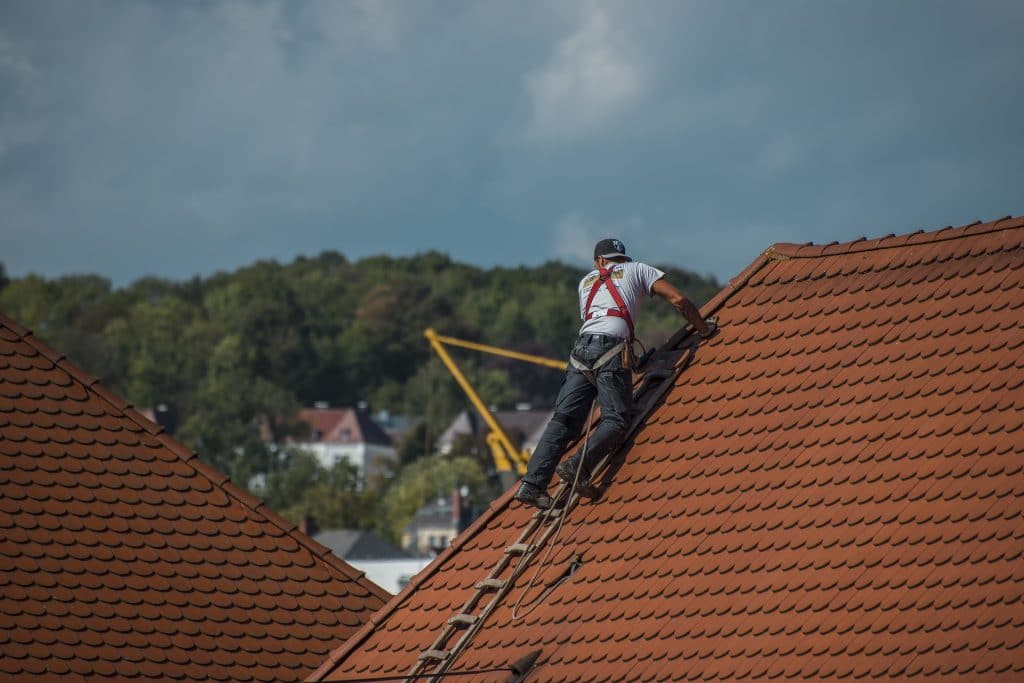
A 31-year-old army veteran from Lancashire has had a serious injury following a fall from height at work, being unable to walk or talk, and only able to move his eyebrows.

The man, who is a roofer by trade, was attending his day job as usual in March when he fell from the top of a ladder in Burnley. Paramedics had to place him into an induced coma at the side of the road before he was airlifted to Royal Preston Hospital, where he had to undergo emergency brain surgery within hours of arrival, and further surgery 48 hours later.

He is now bed-bound after suffering a broken back, severe head trauma and a popped lung following the accident. His injuries have left him unable to move or speak, with the 31-year-old only able to move his eyebrows by means of communication.

Fall from height at work

Falls from Height at Work

There are many industries where you may need to work at height, which comes with the risk of falls from height at work. One of the industries is construction, including roofing, which the Lancashire man worked in. The further you are working from the ground, the more dangerous your working conditions are. Your employers have a duty to make sure you are less at risk. If you work in one of these industries, then it is the responsibility of your employer to make sure that you are kept safe. They must follow the Work at Height Regulations 2005.

Falls from height account for most accidents at work, with these accidents being around 47% of the total number of accidents in 2019-20.

Responsibility of Employers

To ensure everyone is safe at work, there are certain regulations that employers must follow. These include The Health and Safety Act and the Work at Height Regulations. These regulations are designed to keep employees safe at work, and to minimise the risk of accidents happening. There are processes that employers must follow to keep employees safe at work. In the case of the roofer who had a fall from height at work, the rules for working at height must be strictly followed. These rules include:

  • Making sure equipment is safe to use
  • Maintaining equipment
  • Following health and safety rules
  • Performing risk assessments

If your employer has not followed the guidelines to keep you safe at work, or has done so incorrectly, you may be able to claim compensation. We understand that you may feel uneasy about claiming against your employer, however all employers must have employer’s liability insurance. This covers the costs of accidents at work, including accidents falling from height. It is the insurance which would pay the compensation, so your employer would not be directly out of pocket.

How We Can Help

Here at The Compensation Experts we work with solicitors who have years of experience dealing with all manner of personal injury claims. This includes falls from height at work. Contact us today by filling in our contact form. Or call us on 01614138765 to speak to one of our friendly knowledgeable advisors.

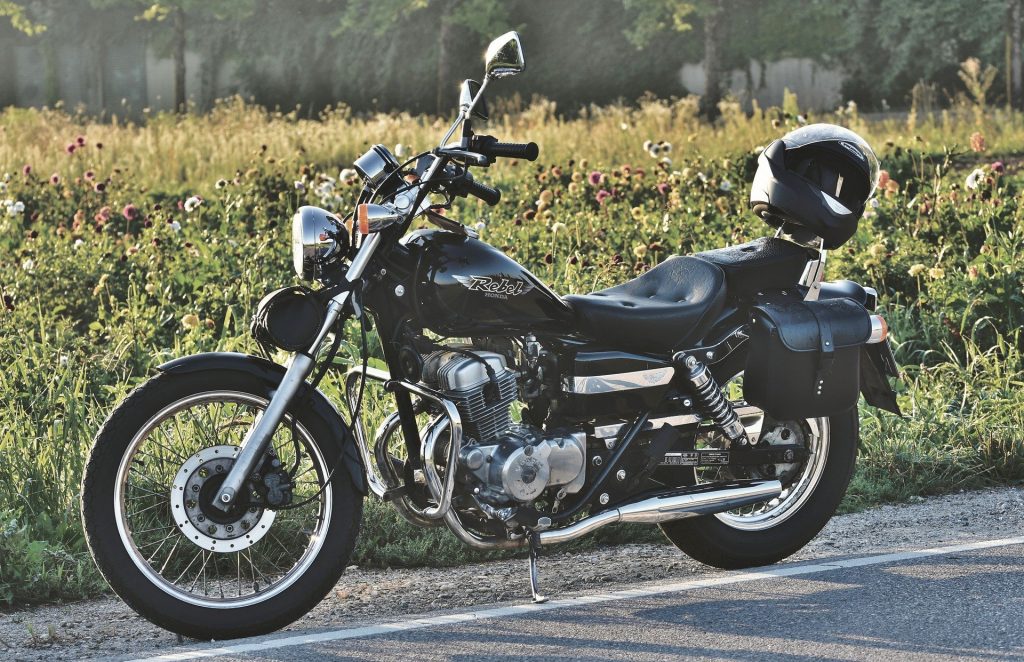
Dorset police and Dorset Road Safe Partnership are working together, along with DocBike, to try and reduce motorcycle collisions this Spring. This comes after reports show that, in Dorset, per mile travelled, more motorcyclists die or are critically injured than any other road user. Nationally, approximately 10 motorcyclists are killed or seriously injured every day.

 In an effort to prevent road deaths across the county, the scheme is encouraging all road users to take that extra bit of time, particularly at junctions, and THINK BIKE! The campaign which is called ‘Think Bike, Have You Been Seen’, runs from 1st April until 31st October 2021. It will see unique road signs in key locations where many motorcyclists have had accidents in Dorset to date. 

An Inspector from Dorset Police stated: “Every year motorcycle fatalities peak throughout the spring and summer time. This is likely due to the better weather encouraging riders to travel more readily on two wheels.  The causes of collisions are a mixture of rider error and drivers not looking properly.”

Motorcycle Collisions

Nearly three-quarters of all motorcycle accidents involve a car, van, or lorry. In motorcycle accidents the lack of vehicle protection leaves riders incredibly vulnerable to catastrophic injury. Even the most responsible rider may have an accident which was not their fault.

The biggest reason behind compensation claims for motorbike accidents, accounting for nearly two-thirds, is the driver of the other vehicle ignoring the motorcyclist’s right of way either because they have not seen the motorcycle until it is too late, or because they are unaware of the laws about motorcyclists rights on the roads.

Some of the most common examples of motorcycle injury claims are:

  • Fractures
  • Whiplash
  • Head and spinal injuries
  • Fatalities

Road Traffic Accident or Motor Insurance Bureau Claim?

If you have an accident whilst on a motorcycle and you did not get the details of the driver, you may still be able to make a claim from the Motor Insurers Bureau. The Motor Insurers Bureau is an organisation that insurance companies pay into in the event of an accident with an uninsured or untraced driver. This would be the case if the driver drove away or they were uninsured. You must report your accident to the police at the time of the accident, or soon afterwards. The Motor Insurance Bureau will then pay the compensation rather than the insurance company.

How we can help

Here at The Compensation Experts we work with solicitors who have years of experience dealing with personal injury claims. This includes road traffic accidents involving motorcycles. Contact us today by filling in our contact form. Or call us on 01614138765 to speak to one of our friendly knowledgeable advisors.

From hot hobs and sharp counter edges to electrical sockets and loose wires, your house is full of potential dangers for children. In fact, according to a new report by The Compensation Experts, an astonishing 67,135 children were admitted to hospital in 2020 due to injuries sustained at home.

Reading on, we reveal the safety features UK parents most commonly neglect, the most dangerous rooms in the house for children, and our top tips for keeping kids safe.

Uncovering the most common household accidents

Children are inquisitive, crafty, and playful, so it’s only natural that they find themselves in risky situations, especially when left to their own devices. To avoid catastrophe, it’s important to put basic protective measures in place to prevent your children from hurting themselves. However, after questioning 1,000 UK parents about their protective habits, it’s clear that not all mums and dads get around to installing the appropriate equipment.

For example, as many as half of parents have never positioned a safeguard over a hot hob to protect little one from burning their fingers, while over four-in-ten (42%) have never installed corner guards. Unfortunately, these measures should, perhaps, be treated with a little more gravitas, as, in 2020, a reported 16% of children suffered serious burns and 27% experienced bumped heads off table edges.

Staggeringly, a further 41% of parents claim to have disregarded the danger of open cupboards and drawers, which led to 13% of children consuming a dangerous detergent pod in 2020. Similarly, 40% of UK parents actively ignore notoriously hazardous plug sockets, even though 13% of children injure themselves annually while meddling with live electrics.

Finally, children can be clumsy, so it should come as no surprise that 33% and 23% of youngsters, respectively, tumbled down the stairs or fell out of their crib, on at least one occasion in 2020. However, with just 37% of mums and dads committed to installing stair gates and only 34% putting up protective bed barriers, there’s plenty of room for parents to be doing much more to keep their children safer.

Revealed: the most dangerous rooms in the house

Despite often being designed for comfortable lounging, UK parents have named the living room as the most dangerous room in the house; perhaps surprisingly, a startling 42% of children experienced injury here in 2020. Heading outside, the garden also poses danger for unsupervised children, with over a third more (37%) hurting themselves while playing.

Positioned as the third most dangerous area of the house for unsuspecting youngsters, the bedroom saw a third (32%) of children hurt themselves through banging, falling, or tripping in 2020. Meanwhile, sharp corner edges and swinging cupboard doors in the kitchen are responsible for 30% of children heading to the hospital through household injury.

At the other end of the table, hallways (24%), bathrooms (21%), and garages (13%) are considered to be among the least dangerous areas of the house, according to parents, with each responsible for sending less than a quarter of unwary children to A&E in 2020.

Injury prevention top tips

A lot of accidents in the home can easily be avoided, by taking suitable precautions. We’ve outlined our top five injury prevention tips to keep your children safe.

1. Cupboard safety locks

These inexpensive plastic locks will prevent children from opening cupboards and trapping their fingers. These locks also stop children from accessing anything dangerous when you’re not around to keep an eye out.

2. Hob safeguard

Place childproof covers on oven hobs and stoves to prevent nasty burns. Similarly, if you’re cooking on the hob, make sure all handles are facing away from the front to avoid curious children from tipping over a bubbling pan.

3. Electric plug sockets guard

Keep all cables out of reach and insert plastic socket covers to prevent your child from touching electrical outlets.

4. Rubber corner guard

Work surface and table corner points are often head height for an inquisitive youngster. To prevent head bumps and eye injuries, childproof all sharp corner edges with rubber corner guards.

5. Baby gate

Installing baby gates is an efficient way of stopping children from wandering into a room on their own. Having a baby gate allows you to rest easy, knowing your child is safe and out of harm’s way.

Keeping children safe from household danger can be difficult, especially if you’re working throughout the day, but hopefully you’ve picked up a few helpful tips for preventing home-based injuries. For even more expert advice and interesting insight, explore the latest news on our blog.