Start your claim now

The Financial Conduct Authority (FCA) – which regulates financial services and markets in the UK – states that an advisor must sell financial services in a way that is fair, clear, and not misleading. This means that if you have been advised to take out an investment product by a financial advisor in the last 30 years you may have been given poor or unsuitable financial advice. This means that, historically, there may be a lot of reasons investments are mis-sold.

common reasons investments are mis-sold

Common Reasons Investments are Mis-Sold

There are a number of reasons that investments may have been mis-sold. Here are some of the common reasons why:

  • The risks associated with the financial product were not explained to you. The advisor should have assessed your attitude to risk and recommended a product that suits your own risk profile and your capacity to make a financial loss. 
  • An advisor did not give you the correct information, or did not tell you how your money would be invested. They also did not tell you about the risk involved with that investment. So, you ended up with a product that is not right for you.
  • You were not made aware of additional charges and fees which you have incurred following advice. The advisor should provide you with illustrations detailing how the initial and ongoing charges may impact on your investment.
  • The advisor did not assess your personal circumstances. An advisor should consider your personal circumstances such as your income, future financial plans, existing investments, and previous investment experience; so that they can recommend the right product for you.
  • The advisor did not give you the full range of investment options or products.  Some advisors were acting as ‘tied agents’ for their place of work. Consequently, they were only able to recommend products sold by the bank or financial institution they worked for. This means the advisor may not have given you your full range of investment options.
  • You experienced hard sales tactics and felt uncomfortable or pressured into an investment that you didn’t really need or want.

If you have experienced any of these, then you may have been mis-sold the investment and may be able to make a mis-sold investment claim.

How We Can Help

Here at The Compensation Experts, we work with solicitors who have years of experience with financial mis-selling claims. This means that they can help with the most commo reasons investments are mis-sold when making a claim. If you think you may have a potential claim, contact us today by filling in or contact form. Or call us to speak to one of our friendly knowledgeable advisors.

With sport and physical activity being such a huge part of so many Brits’ lives, it’s important to raise awareness of how to exercise safely. We’ve surveyed 1,000 gym users, to reveal the most common exercise-related injuries and which pieces of gym equipment pose the most danger. As well as this, we’ve also teamed up with Senior Private Physiotherapist Ann Kuan, to provide top tips to keep safe during your next workout.

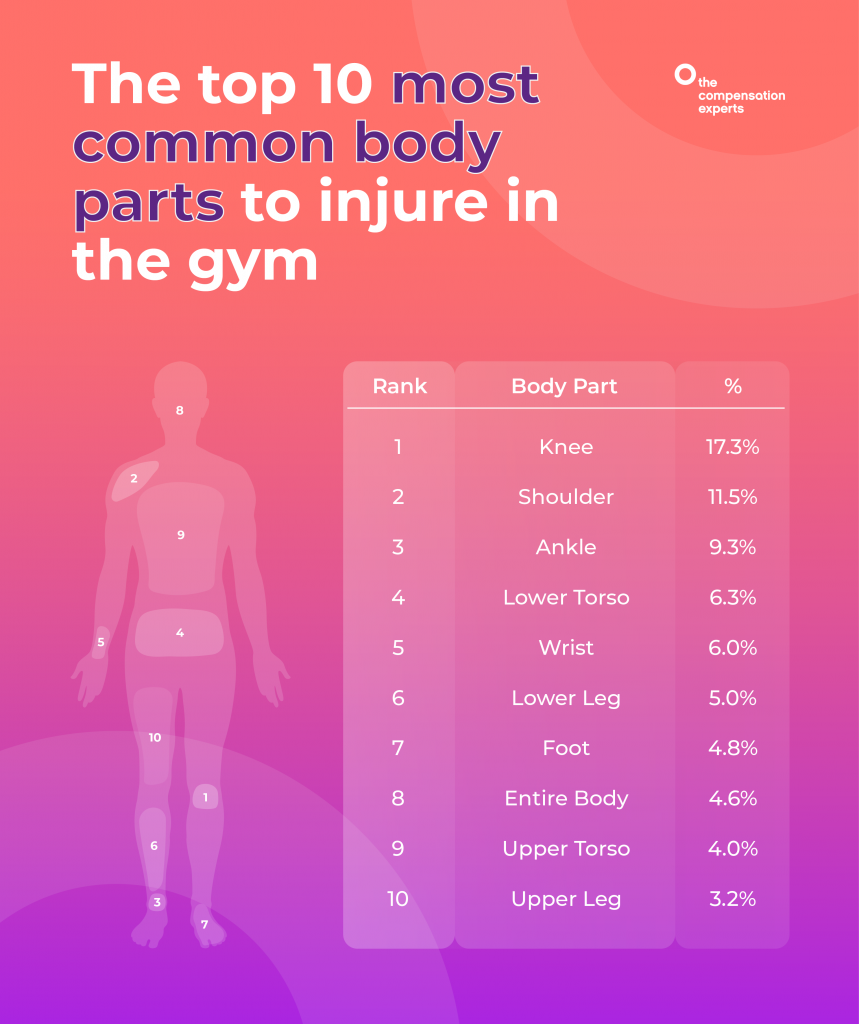
As far as gym injuries go, there’s no body part that’s more susceptible to discomfort than your knees. With a whopping 17.3% of post-gym pain attributed to knee injuries, it’s always worth taking the time to perfect your form and make sure you’re not overextending yourself!

The next most frequently injured area of the body are the shoulders (11.5%). The reasons for this are varied, and depend heavily on the type of exercise and activity you’re performing. However, the likelihood is that pain has arisen through strains (40.0%) and sprains (39.3%), which are the two most common types of injury, followed by internal damage (9.6%), contusions (8.1%), and dislocations (8.1%).

Ankle injuries (9.3%) are the third most commonly experienced injury by gym-goers, followed by lower torso pain (6.3%). Meanwhile, a body part likely involved in many stages of your gym routine, it’s the wrists (6.0%) that are the fifth most damaged body part suffered by regular exercisers.

Which gym machines are the most dangerous?

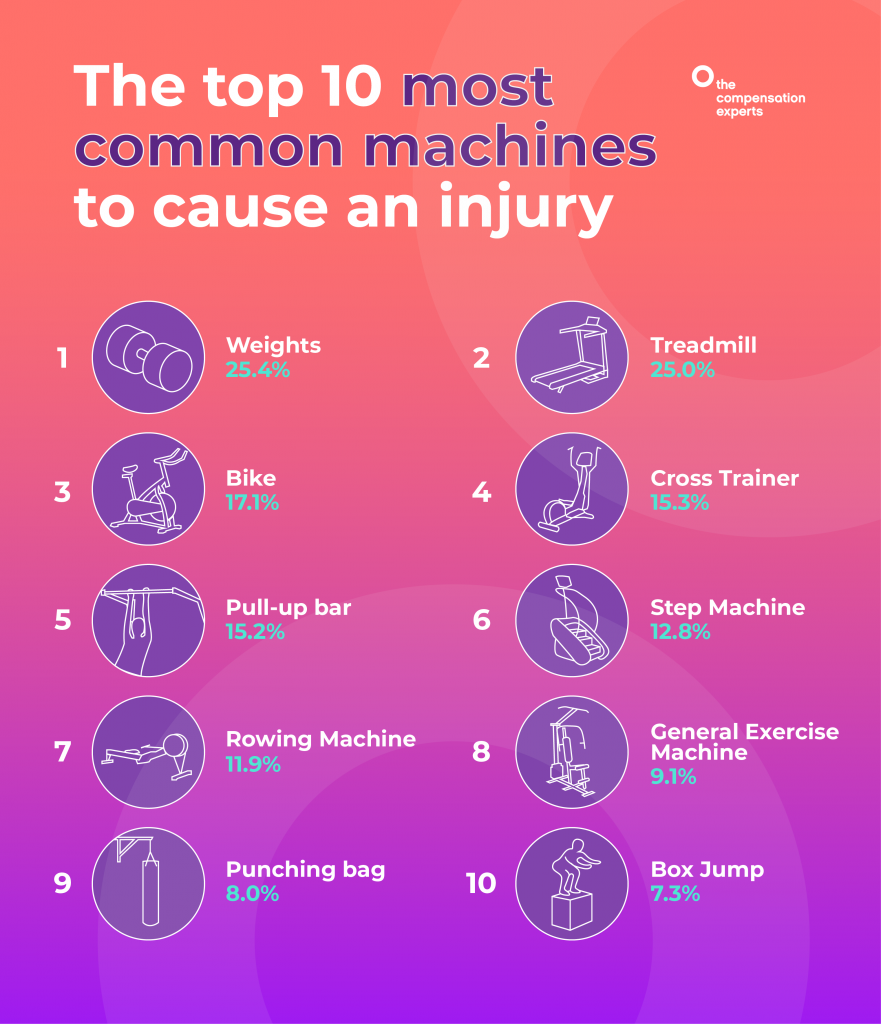
Taking the top spots as the two pieces of gym equipment that pose the most danger, with around a quarter of all injuries attributed to each of these types of workout, we have the weight rack (25.4%) and treadmill (25.0%). Both are likely as a result of individuals pushing themselves before they’re ready to progress, highlighting the importance of steady improvement.

Next up, it’s the bikes, which contribute to 17.1% of all gym-related injuries, from strains and sprains to overexertion, while the cross trainer (15.3%) and pull-up bar (15.2%) complete the top five most dangerous pieces of exercise equipment.

A graphic showing the most common machines that cause injuries at the gym.

Five top tips to avoid injury at the gym

Many Brits have recently incorporated exercise into their regular routines. And while this is beneficial for mental and physical health, it’s important to take the appropriate steps when trying out something new. Senior Private Physiotherapist at Vita Health Group Ann Kuan gives her top tips to avoid injury at the gym.

1. Commit to a warm up

Before starting any type of exercise, it’s important to warm up with dynamic stretches. These are active movements that puts your body through a range of motions, and accomplishes flexibility of the muscle groups you’ll be using. Benefits include far fewer injuries, as well as achieving greater power and a more efficient workout.

2. Progress at a steady pace

If you’re trying to increase the amount of exercise you do, whether to lose weight or build muscle, be sure to only raise the frequency and intensity at a steady pace that your body can handle. The key here is to gradually improve your volume over time, and don’t be afraid to drop back down a little if you’re suffering niggles. Pushing your body too hard and too quickly can be harmful, and cause long-term injury.

3. Rank your pain level and modify

If you experience discomfort while exercising, take a moment to ask yourself how bad it is; can you still perform normal activities or is your everyday life being affected? It’s important to seek medical assistance immediately if your injury is impacting your daily routines, but, if pain is mild, consider trying a lower intensity workout for a while. Additionally, consider also using ice, heat, or relief balms to get the pain under control.

4. Avoid sitting for hours on end

No matter how fit and strong you are, back pain is common in even the most sedentary actions. For instance, working from the kitchen table, sofa, or even your bed are far from beneficial for your posture. Even sitting at a desk for long periods of time can have negative consequences. The best ways to avoid back pain are to take advice on ergonomic set-up solutions and get up for multiple breaks throughout the day.

5. Don’t forget self-care

Among the most important tips to avoid gym-related injuries is to practice self-care! If you’re suffering from a little discomfort, worry and stress can exacerbate the pain. If you’re unsure as to the extent of any damage, it may be beneficial to visit a professional to seek clarification. Otherwise, following self-care habits like mindfulness and meditation can help to reduce anxiety and even alleviate physical pain.

Regular exercise is a great way to improve your mental and physical health, but it’s important that you know how to keep safe. For even more helpful guidance and advice, check out the latest over on our blog.

Every September, many young people head to university. For most, it is their first experience of living independently and away from their family home. Whilst this can be an exciting time in a young person’s life, there are certain things that can worry young people. One aspect of living away from parents for the first time that may worry young people is accidents in student accommodation.

In any rented accommodation, a landlord has a duty of care to protect their tenants and keep them safe from harm in the property. This includes those living in student accommodation.

Accidents in Student Accommodation due to Landlord Negligence

Your landlord has a duty of care to protect you from injury whilst living in a rented property. If you have had an accident due to a defect in the property, it is likely that your landlord may be responsible. This is especially true if you have previously reported it to them and they have not done anything to rectify it. This includes accidents in student accommodation.

accidents in student accommodation

Protection for Tenants

Often, student accommodation consists of unrelated occupiers living independently from one another and sharing the common areas of the building, such as a kitchen, living area or shared corridors. The responsible person for the building (usually the landlord) will need to have a Fire Risk Assessment carried out in these communal areas.

The risk assessor will also look at whether there has been sufficient communication with the students regarding fire safety within in communal areas, their individual flat entrance doors, and what to do in the event of a fire. The landlord should ensure that a fire evacuation plan is put in place and is communicated to the students.

Your landlord is also required by law to follow the Landlord and Tenant Act 1985. There are strict rules in this act that protect tenants. The Act states that your landlord is responsible for making sure your home is safe and properly maintained. This is both on the inside and outside. Landlords must provide a building that:

  • Is safe to live in, free from damp, and well ventilated
  • Can withstand normal weather conditions and normal use by tenants and visitors
  • Is in a reasonable state of repair inside and outside

If your landlord fails to meet any of these requirements, accidents in student accommodation can happen. If you suffer as a result of their negligence, they have failed in their duty. Because of this, you may be able to claim compensation.

How We Can Help

Here at The Compensation Experts we work with solicitors who have years of experience dealing with personal injury claims. This includes accidents in student accommodation. So contact us today by filling in our contact form. Or call us on 01614138765 to speak to one of our friendly knowledgeable advisors.

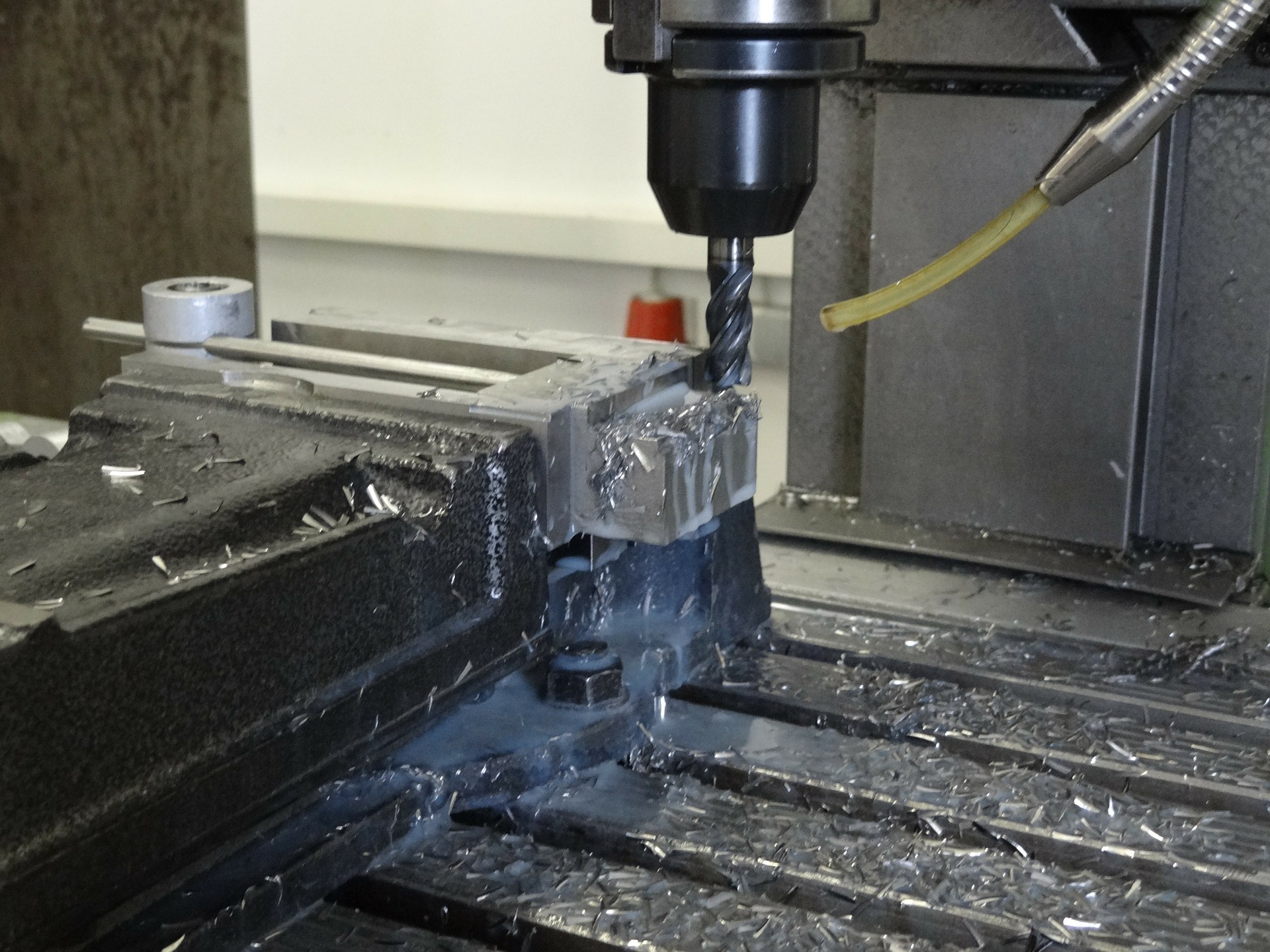
According to recent reports, a woman has had her ear amputated following a work accident in which her hair was caught in a pillar drill. Her ponytail was wrapped around a rotating drill, ripping off part of her scalp and ear. She has undergone nine surgeries since the accident; however, the surgeons were unable to save her ear.

An investigation by Health and Safety officials found that the rotating parts of the drill were not guarded in accordance with standard industry practise.

The investigation also found that the company’s own risk assessment for using the drill identified a guard should be fitted. However, the company continued operating without one for a number of years.

work accident

Work Accident Involving Machinery

Work accidents involving machinery can be very serious. Machinery must adhere to a certain standard so that it is safe to use, and your employer must conduct regular checks and tests to prevent machine accidents.

Your employer must ensure that machinery is safe to use. There are regulations in place to ensure that your employer keeps the machinery safe and keeps the staff safe from machinery injuries.

In the accident involving the woman, the machine did not have a guard on it. Therefore, this means that the machinery did not adhere to the Provision and Use of Work Equipment Regulations 1998 (PUWER).

In these regulations, employers must make sure that machinery is safe to use and fit for purpose. This includes:

  • Taking appropriate hardware measures – providing suitable guards, protection devices, warning devices, emergency stop buttons and other system control devices
  • Taking appropriate software measures – ensuring maintenance happens when equipment is shut down, providing adequate instruction, information, and training about the equipment, and following safe systems of work
  • Ensuring the equipment is suitable for use, maintained in a safe condition for use, and regularly inspected

Claiming Against Your Employer

It is your employer’s responsibility to keep you safe from a work accident. This means that they must make sure you have the correct training and equipment to be able to do your job correctly. They must also carry out risk assessments. This is to ensure it is safe to do the job.

If your employer has not followed the guidelines to keep you safe at work, or has done so incorrectly, you may be able to claim compensation. We understand that you may feel uneasy about claiming against your employer, however all employers must have employer’s liability insurance. This covers the costs of accidents at work. It is the insurance company who would pay the compensation, so your employer would not be directly out of pocket.

How We Can Help

Here at The Compensation Experts we work with solicitors who have years of experience dealing with personal injury claims. This includes work accident claims. Contact us today by filling in our contact form. Or call us on 01614138765 to speak to one of our friendly knowledgeable advisors.

Now that back to school is upon us in England and Wales, parents and children’s minds are sure to be filled with the thought of returning. With children returning, there is also a risk of accidents in schools, but did you know your child may have an accident that you can claim compensation for?

Children are the most prone to accidents overall, according to the Royal Society for the Prevention of Accidents (RoSPA).  However, some common accidents in schools can happen due to negligence on the school’s part. If one of these accidents happens, then you may be able to make a claim on your child’s behalf.

accidents in schools

Most Common Accidents in Schools

Where children are involved, there are some accidents that are just that, accidents. Children have accidents whilst playing that are unavoidable. However, there are some instances where the school may be at fault for accidents in schools.

Some of the most common accidents in schools include:

  • Playground equipment accidents
  • Slips, trips, and falls on school premises
  • Classroom accidents
  • Accidents on school trips

Playground Equipment Accidents

Schools have a responsibility to make sure that playgrounds are safe for children. Climbing equipment should not be too high, and the ground underneath the climbing equipment must be soft enough to stop a child being badly injured. Maintenance and checks must also happen regularly on any equipment that children use. This is to ensure that children are not injured on broken equipment.

Slips, Trips and Falls on School Premises

If a child slips or trips on the school premises because of a defect on the paving or a hole in the fields, then the school may be liable. Schools must ensure that the premises are free from broken paving, holes, or other defects. This helps to ensure both children and parents are safe.

Classroom Accidents

Accidents that happen in classrooms that can be the school’s fault include failure to supervise children, broken desks or chairs, broken equipment, and damaged floors or carpets. Schools must ensure that their classrooms are free from broken or faulty equipment to ensure children are safe.

Accidents on School Trips

Schools still have a duty of care to protect children on school trips. They must ensure that they supervise children adequately to prevent accidents from happening.

Schools have a duty of care to keep children safe, and if they fail to do so and a child has an accident, then a parent or guardian may be able to make a claim on their behalf.

Claiming on Behalf of a Child for Accidents in Schools

If a child has an accident, then a parent or guardian may be able to make a claim on their behalf. Then, any compensation goes into a trust until the child turns 18. Or trustees manage the trust. This covers the cost of caring for a child with a disability sustained as the result of their injury.

The time frame for making a claim is also different if the accident involves a child. Usually in personal injury cases, a person has three years from the date the accident happened to make a claim. However, when a child has an accident, a parent or guardian can make a claim on their behalf until they turn 18. The child then has until they turn 21 to make a claim for themselves. However, we still recommend making a claim as soon as possible.

How We Can Help with Accidents in Schools

Here at The Compensation Experts we work with solicitors who have years of experience dealing with personal injury claims. This includes accidents in schools. Contact us today by filling in our contact form. Or call us on 01614138765 to speak to one of our friendly knowledgeable advisors.

According to recent reports, a construction company in Leeds have been fined after a number of workers were diagnosed with hand arm vibration syndrome (HAVS). The company reported seven cases of HAVS in an 18-month period. All the workers had been carrying out ground works involving vibrating tools. Many of them had been working in the industry for over 20 years.

An investigation by the Health and Safety Executive (HSE) found that in 2016 the company contracted a new occupational health provider to replace their existing one. The diagnosis of the workers’ conditions resulted from these changes. Prior to the new company taking over the contract, there was no suitable health surveillance in place to identify hand arm vibration syndrome.

Speaking after the hearing, an HSE inspector said: “The company should have undertaken a suitable and sufficient risk assessment to identify the level of vibration employees were exposed to throughout their working day and then put in place appropriate control measures. Furthermore, the company should have put in place suitable health surveillance to identify HAVS in their workforce”

hand arm vibration syndrome

Hand Arm Vibration Syndrome

Hand Arm Vibration Syndrome, or HAVS, is a medical term that describes injuries which using vibrating machinery causes. Tools like pneumatic drills, sanders and needle guns could cause HAVS – and if you use or have used vibrating tools or machinery in the workplace, you could be at risk from HAVS.

What causes HAVS?

HAVS is usually developed because of prolonged exposure to intense vibration tools over a long period of time. For instance, the following vibrating power tools present a significant amount of risk for developing HAVS:

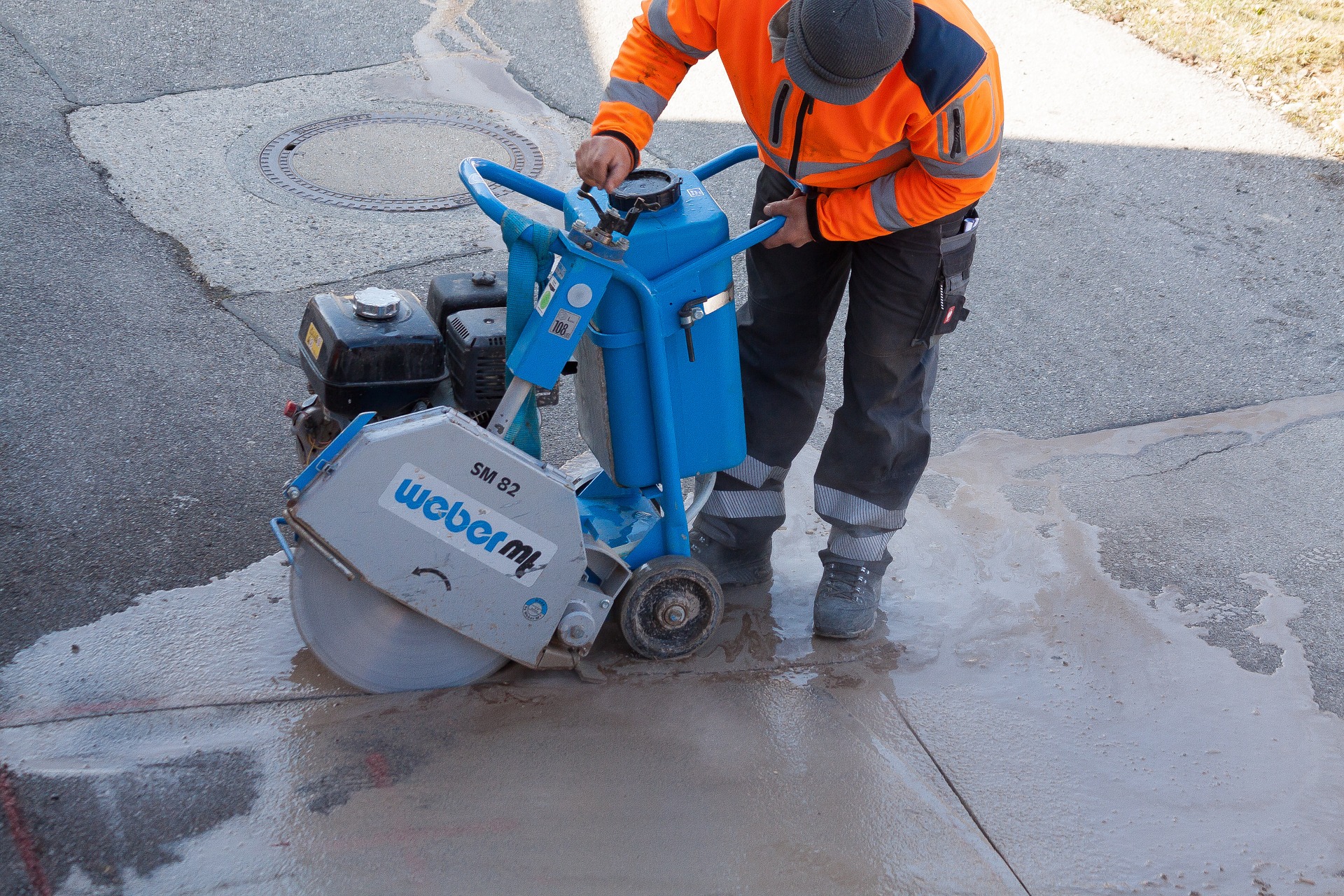
  • Surface power tools, such as concrete breakers, sanders, grinders, and disc cutters
  • Saws and drills such as chainsaws, or hammer/pneumatic drills
  • Needle guns
  • Any grass maintenance tools, such as power mowers, strimmers or hedge trimmers
  • Any other rotary equipment and tools at work

HAVS Symptoms

One of the issues with HAVs is that it can take a long time to develop, which means it’s easy for symptoms to go unnoticed. But hand arm vibration syndrome can be a debilitating and distressing condition. There’s a wide range of HAVS symptoms, which can range from very minor to quite serious – but they can be easy to miss initially.

  • Whitening in the fingers
  • Tingling and numbness
  • Coldness
  • General weakness in affected areas
  • Extreme sensitivity to cold
  • A loss of manual dexterity

Some of these symptoms are serious enough that they can be cause for their own compensation claims.

HAVS can affect how people can use their hands and arms, limiting mobility for hours at a time. HAVS can also affect your ability to work, particularly because it affects key parts of the body like joints and blood vessels.

How We Can Help with Hand Arm Vibration Syndrome

Here at The Compensation Experts we work with solicitors who have years of experience dealing with personal injury claims. This includes industrial disease claims and hand arm vibration syndrome. So contact us today by filling in our contact form. Or call us on 01614138765 to speak to one of our friendly knowledgeable advisors.

Asbestos was a substance that was widely used in construction until it was banned in the 1980s. We know now that exposure to asbestos is harmful and affects lung function. Because Asbestos was so widely used, there are several asbestos-related illnesses you can claim for, but many people do not know which ones.

Illnesses that are related to asbestos exposure that you can make a claim for include Asbestosis, Mesothelioma, Pleural Thickening, and Asbestos-induced lung cancer.

Asbestos illness

Asbestosis

Asbestosis is a disease where the lung tissue hardens. It is associated with prolonged and heavy exposure to asbestos dust.

Symptoms of asbestosis include:

  • shortness of breath
  • persistent cough
  • dry crackling noise in your lungs
  • chest pain
  • lack of or difficulty sleeping
  • loss of appetite and weight loss.

Asbestosis is also a slowly progressive disease. It usually takes between 15 and 30 years to develop, after initial exposure to asbestos. It can cause long term scarring and inflammation in the lungs. This can also result in lung cancer and heart disease.

Mesothelioma

Mesothelioma is an extremely aggressive type of cancer. Little or intermittent exposure to asbestos fibres often causes it. Similarly to asbestosis, symptoms include:

  • shortness of breath
  • chest pain
  • coughing
  • weight loss
  • loss of appetite.

The cause of virtually all cases of Mesothelioma is asbestos exposure. Once a person receives a diagnosis of Mesothelioma, it is almost always incurable.

Pleural Thickening

Pleural thickening, sometimes known as Diffuse Pleural Thickening or DPT, happens when exposure to harmful asbestos fibres causes scarring and calcification of the lining of the lungs. The main symptoms of pleural thickening are shortness of breath and chest pain.

Pleural thickening can cause a victim to have chest pain or difficulty breathing. This is because the lungs cannot expand and contract as nature intended. Sadly, there is no cure.

All employers, past and present, owe their staff a duty of care to ensure their working environment is safe and staff are not at risk. You may, therefore, be able to claim for an asbestos-related illness if you believe your employer failed in their duty of care. For example, if they did not provide you with the correct safety equipment. Another example is if they did not tell you the dangers associated with working with asbestos.

Asbestos-related illnesses take decades to form and can often have a life-changing effect on all involved. There are also cases where, sadly, a person did not live for very long after they were diagnosed with an asbestos-related illness. In this case, a spouse or next of kin may have to make a claim on their behalf.

The law surrounding asbestos illness claims is complex. Therefore, you should get solicitors that specialise in these types of claims.

How We Can Help

Here at The Compensation Experts, we work with solicitors who have years of experience dealing with industrial disease claims. This includes Asbestos-related illnesses. So contact us today by filling in our contact form. Or call us on 01614138765 to speak to one of our friendly knowledgeable advisors.

According to a recent statement by the Health and Safety Executive (HSE), more must be done to improve farm safety and reduce serious accidents on farms. This statement came after the HSE were notified of four fatalities on farms in just over two weeks.

The incidents come just three weeks after Farm Safety Week, when HSE issued its Fatal injuries in agriculture, forestry and fishing in Great Britain 2020/21 report highlighting the high fatality rate in the industry. The figures showed that agriculture has the worst rate of fatal injuries of all the major industrial sectors, around 20 times higher than the average five-year annual rate across all industries.

HSE’s acting head of agriculture said: “While we must respect the ongoing investigations following these tragic incidents, most injuries or deaths that we’ve historically seen on farms have been both predictable and preventable. We ask that farmers, farm workers and farming contractors take the right steps to stop these incidents. At this time of year, it’s important to manage risk from livestock and, with harvest well underway, to work safely with farm machinery.”

He added: “The fatality rate within the sector is high, but there are simple measures workers can take to reduce risk including making sure to switch off the power to vehicles or machinery before attempting to carry out repairs, keeping people away from moving vehicles; and ensuring dairy bulls, and cows with calves are not in fields with public footpaths.

serious accidents on farms

Common Causes of Serious Accidents on Farms

The most common causes of serious accidents on farms are:

  • struck by moving vehicles
  • killed by an animal
  • struck by an object
  • falling from height, and
  • contact with moving machinery.

There are also risks of farm injury to workers when it comes to enclosed spaces. These include slurry pits, silos, and fuel storage tanks. Working in these spaces can cause drowning, asphyxiation, or exposure to toxic gases.

Employer’s Responsibility

Your employer is responsible for keeping you safe at work. On a farm, this is even more important, as there are a lot of things that can cause an injury. Your employer must make sure that they meet the Management of Health and Safety at Work Regulations (1999). They do this by conducting risk assessments to ensure that they keep everyone safe. Agricultural employers must make sure that they do everything possible to avoid staff having farm related injuries whilst at work.

If you have a serious accident on a farm and have to take time off work, you should get agricultural sick pay, which is at least the agricultural minimum wage. This is, however, likely to be less than your usual wage.

If you are self-employed, you may still be able to make a claim. Farm workers are often self- employed on a contractor basis. This means, importantly, there is still usually a company that they are working for. If the business you are working for fails in their duty to keep you safe, then they may be responsible for your serious accident on a farm.

How We Can Help

Here at The Compensation Experts, we work with solicitors who have years of experience dealing with personal injury. This includes serious accidents on farms. Contact us today by filling in our contact form. Or call us on 01614138765 to speak to one of our friendly knowledgeable advisors.

When it comes to making a financial mis-selling claim, particularly a mis sold investment claim, there are many barriers that people feel like they come up against. That is where The Compensation Experts are here to help.

Our advisors can guide you through the process of making a claim and help with any barriers that you may come up against. Then, we can get you in touch with one of our expert panel of solicitors.

barriers to making a financial mis-selling claim

Here are some of the common barriers to making a financial mis-selling claim.

The bank will not take the complaint seriously, or instantly decline your complaint

Our experienced experts understand a financial advisor’s obligations when recommending a product. Which means we know what to formally complain about, giving you the very best chance of obtaining compensation

There is too much jargon used in the selling of financial products, which can be confusing for consumers. This can result in a reluctance to formally complain

Our friendly and knowledgeable experts will explain all aspects of the claim in everyday terminology, that is easy to understand

You did not lose your own capital and feel there is no cause to complain

If you broke even on your investment or made a poor or disappointing return you may still be able to claim substantial compensation. This is because you could have made a far better return if they had recommended a more suitable product.

I have lost trust in my bank and do not trust them to deal with my complaint as they should

Financial advisors, working for banks or independently, are regulated for the Financial Conduct Authority (FCA). The FCA impose clear rules and timescales on how firms must deal with complaints and treat customers fairly

I do not have paperwork about the investment and cannot recall the circumstances well

Paperwork and detailed information are often not necessary, as we will gather the full details from the provider and assess this for you. We will then communicate the results to you in clear language

It seems like a lot of work and hassle. I am busy, so I just do not have the time or inclination to make a complaint

At The Compensation Experts a financial expert will do all the work for you. It is a hassle-free process which requires very little of your time.

I do not want to make a complaint and get anyone in trouble

The complaint is made to the company who the advisor worked for so it will not impact on an individual.  Banks and life offices deal with complaints within a separate complaint team.

The company who advised me are no longer trading

We may still be able to submit a claim on your behalf for lost capital to the Financial Services Compensation Scheme (FSCS). Our friendly financial experts will quickly be able to establish whether we could make a claim in this scenario

I will do this myself for free or get a relative to do it for me

Yes, you can do this yourself for free.  Please be mindful that you only get one chance to successfully claim the compensation you could be entitled to.  We will use our experience and expertise to give you the best chance of success with your one opportunity.

I don’t think I will be owed any money

Many consumers hold this belief, and then receive thousands of pounds.  The interest rates before the UK recession were far higher, which means you would have made a very good return in a savings account.  For this reason, you may still have lost out substantially. There can also be substantial interest figures added to the compensation awarded.

How We Can Help with Barriers to Making A Financial Mis-Selling Claim

Here at The Compensation Experts, we work with solicitors who have years of experience with financial mis-selling claims. This means that they can help with any barriers you feel you are up against when making a claim. If you think you may have a potential claim, contact us today by filling in or contact form. Or call us to speak to one of our friendly knowledgeable advisors.
There were 131,220 road traffic casualties in the UK from July 2019 – June 2020, 1,580 of which were fatal.

With roads throughout the UK a major risk for both drivers and pedestrians alike, we decided to run a survey to find out how many Brits knowingly break driving laws. From drink driving to speeding, using your phone and more, it’s time to find out which cities are home to the most dangerous drivers in the country.

Bristol has the most dangerous drivers

Out of the whole of the UK, we can reveal it’s Bristol’s roads that are home to the most dangerous drivers in the country, followed by London, Cardiff, Leeds and Glasgow.

Whilst 97% of Brits agree that being distracted whilst driving is dangerous, 48% admit to eating and drinking whilst driving, and 47% admit to both driving whilst being tired, and speeding.

With 33% of Brits saying they’re nervous drivers, that’s not really a surprise, considering the number of people that do commit illegal acts whilst driving; yet 34% say they’re not aware of all of the rules and regulations.

86% of Brits think that the government should be doing more to prevent dangerous driving – and once you’ve read these stats, if you’re not currently in agreeance with this statement, you soon will be…

Leeds is the speeding capital of the UK

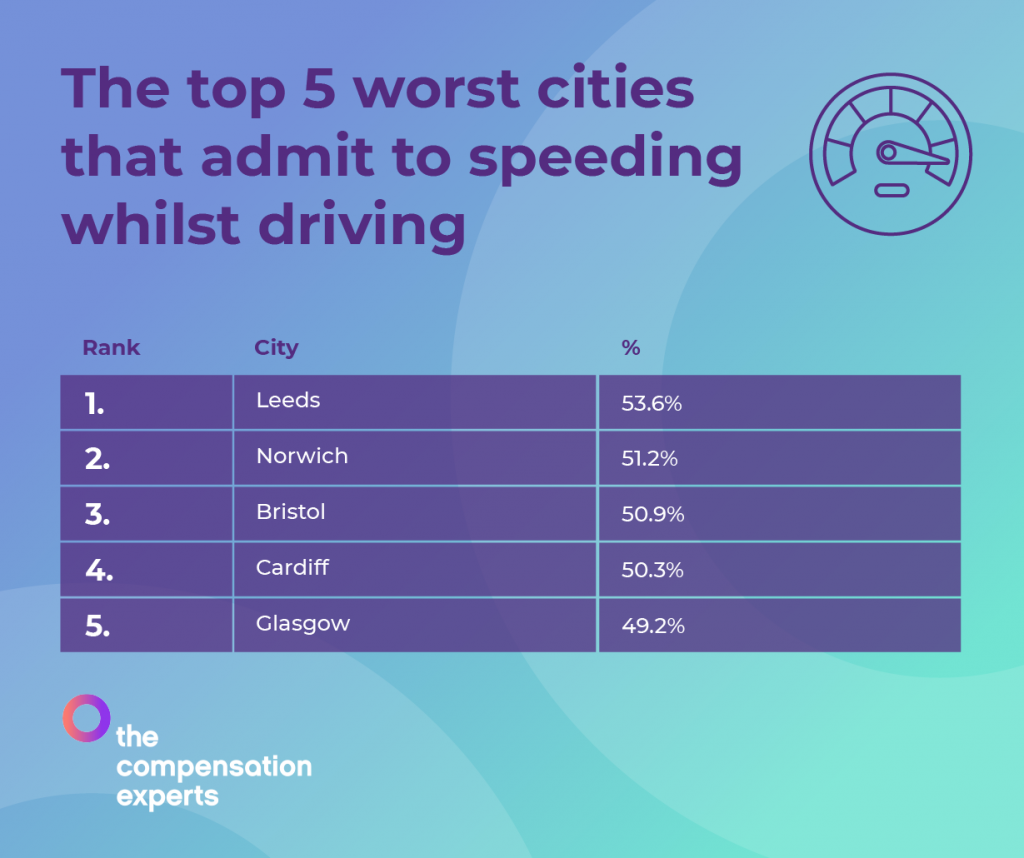
Bristol might have the most dangerous drivers in the UK, but only 13% admitted to driving over the speeding limit; whereas in Leeds, 53.6% say they’ve driven faster than they should.

Over 50% of drivers in Norwich, Bristol and Cardiff also admitted to speeding in the past too. Whilst Southampton has the lowest number of pedal-happy drivers, nearly 40% of those surveyed admitted to speeding, which is still a very high statistic.

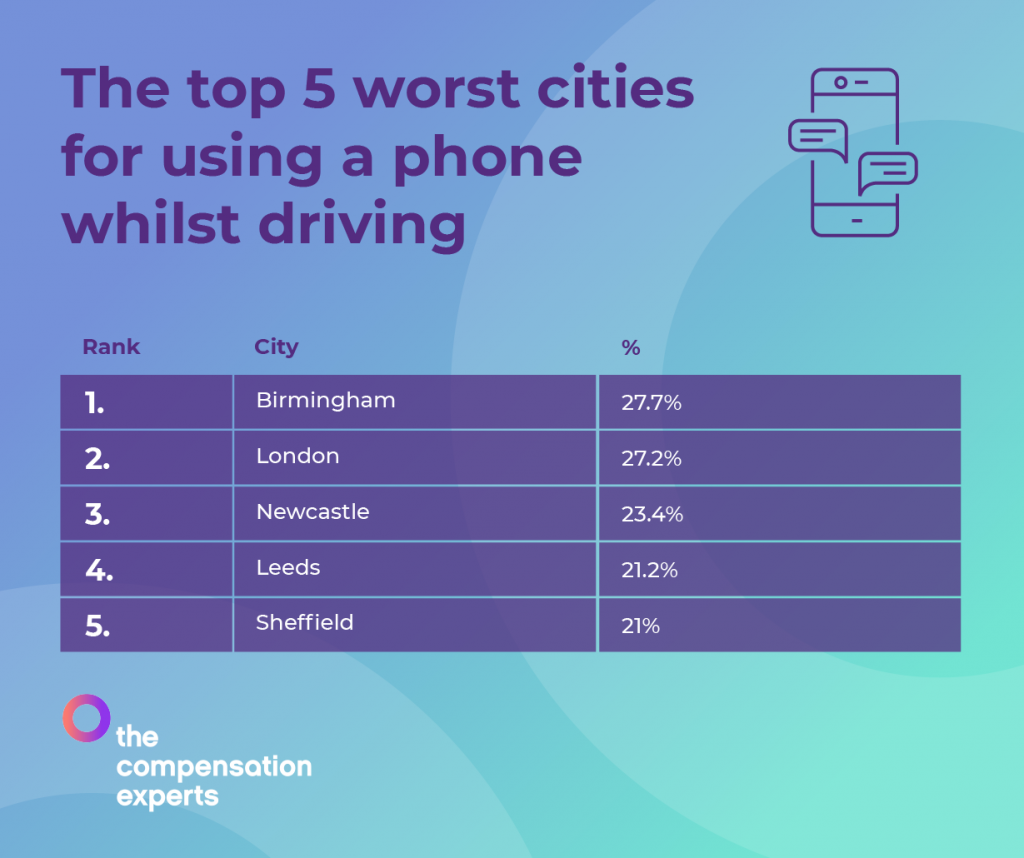
27.7% of Birmingham drivers use their phones whilst driving

It’s a close competition, but Birmingham comes out on top with the most number of drivers using their phones, followed by London, at 27.7% and 27.2% respectively. The first laws relating to using phones whilst driving was introduced in December 2003; and since March 2017, drivers caught using a phone will get six points on their licence, and a £200 fine.

Cardiff is the capital of driving over the limit

In England, Northern Ireland and Wales, the alcohol limit is 80mg of alcohol per 100ml of blood, and in Scotland, it’s 50mg of alcohol per 100ml of blood.

Shockingly, 17% of Cardiff drivers have admitted to getting behind the wheel whilst drinking over the limit, with Norwich and Bristol drivers in second and third place. In contrast, Edinburgh was the only city in the country where no one admitted to drink driving – and in fact, no one from Edinburgh said they drove under the influence of drugs, or applied makeup whilst driving.

19% of Brits say they don’t know the rules for driving after having a drink, but most shockingly, is that 22% of people surveyed thought that having a drink POSITIVELY impacted their abilities as a driver.

You might think that driving 5 miles over the speed limit doesn’t pose any real threat, or that just having that one extra drink won’t effect you at all; but the truth is, these actions could have catastrophic – and deadly – consequences.

If you or a loved one has been a victim of a road traffic accident and are looking for compensation, get in touch to find out how we can help you. Alternatively, head on over to our blog for more information.

Asthma is a common condition that affects many people. But if you have asthma that has developed because of your job, then it can be even more inconvenient. Claiming for occupational asthma can help you to deal with your condition.

Asthma UK estimate that 9-15% of all cases of adult asthma are occupational asthma. If you develop new asthma symptoms at work, or your childhood asthma comes back, you could have occupational asthma.

You may be at your workplace for a while before you notice symptoms. This is because it takes a while for your immune system to become sensitive to workplace triggers. But once you’ve become sensitive to a substance at work, it can trigger asthma symptoms the next time you encounter it – even if it’s just in small amounts.

claiming for occupational asthma

Occupational Asthma

Asthma is a chronic condition that makes it difficult to breathe. The muscles around the airways constrict and tighten, preventing oxygen reaching the lungs. In turn, that affects oxygen dispersal through the rest of the body. More than feeling short of breath, a serious asthma attack can make a victim feel as if they are suffocating. Furthermore, such a feeling can be, in extreme instances, fatal. Occupational asthma is when the condition results from or faces aggravation from poor working conditions.

Dust, pollen, and chemical fumes are all common workplace irritants that can trigger asthma. Over time, inflammation of the bronchial tubes occurs, permanently damaging the lungs in some cases.

By law, employers have an obligation to identify potential asthma risks in the workplace. In summary, employers must take relevant steps to protect their employees from harm. For instance, providing things like effective ventilation and adequate safety equipment.

Industries Where Occupational Asthma is Common

Occupational asthma can happen in any environment that has irritants that can cause asthma. For example, a baker could develop chronic asthma from breathing in flour dust. Other trades where workers are also at risk of developing occupational asthma include:

  • Spray painters.
  • Farmers and agricultural workers.
  • Welders.
  • Carpenters and woodworkers.

Nurses, doctors and other healthcare workers are also at risk of occupational asthma due to natural rubber latex proteins used in the manufacture of gloves worn while doing surgery or performing medical examinations.

Claiming for Occupational Asthma

Claiming for occupational asthma can not only help address the expense of ongoing medical care, but it can also be a way of acknowledging the physical damage victims endure. Some people who develop occupational asthma need a change of job role where they work, or even to change jobs altogether.

It’s understandable to be worried about losing your job, or income, if your job role changes due to a diagnosis of occupational asthma. This is where claiming for occupational asthma can help; it can help pay for any asthma equipment you may need, such as inhalers, and can help you if you can no longer do the same job because of the condition.

How We Can Help

Here at The Compensation Experts we work with solicitors who have years of experience dealing with industrial disease claims. This includes claims for occupational asthma. Contact us today by filling in our contact form. Or call us on 01614138765 to speak to one of our friendly knowledgeable advisors.

According to recent reports, a Rochdale-based firm has been fined following an accident where a worker had to have his leg amputated. On 4 February 2019, groundworkers, including the injured worker, were breaking out ground towards a trench to install new drainage at the site. A hydraulic breaker fell off the 13-tonne excavator it was fitted to by a quick hitch, narrowly missing another worker and landing on the right foot of the victim. The man suffered life-altering injuries with his leg having to be amputated below the knee following the crush accident at work.

An investigation by the Health and Safety Executive found there was no proper segregation between people and the excavator. The company had not made provisions for a dedicated area for the changing of attachments or provided a vehicle-safety marshal. This meant that the site setup posed a serious safety threat to pedestrians as well.

HSE inspector Trisha Elvy said that the insufficient safety on site could have led to the death of the worker. “There should be suitable, defined safe systems of work so that persons who need to work in close proximity to excavators can do so safely,” she added.

crush accident at work

Crush Accidents at Work

A crush accident at work can occur in a variety of ways. Some of the most frequent examples include having limbs trapped in machinery, being caught up with uncontrolled livestock, and getting trapped under falling objects.

Crush injuries can cause:

  • Nerve damage
  • Excessive bleeding
  • Amputation
  • Cuts and broken bones
  • Severe bruising and soft tissue damage
  • Paralysis
  • Death

Falling Objects Crush Accident at Work

A crush accident at work can occur when a heavy load collapse trapping someone beneath. For example, materials falling from a warehouse shelf or collapsed structures on a building site. The object does not have to fall very far to cause serious injury.

Employers are responsible for keeping the work environment as safe as possible. They must also supply Personal Protective Equipment (PPE) to protect workers from this type of injury. An employer may be liable for injuries you sustain if they fail to supply hard hats, steel toe-capped boots and so on.

Claiming Against Your Employer

It is your employer’s responsibility to keep you safe from a crush accident at work. This means that they must make sure you have the correct training and equipment to be able to do your job correctly. Risk assessments must also be carried out, to ensure the job is done safely.

If your employer has not followed the guidelines to keep you safe at work, or has done so incorrectly, you may be able to claim compensation. We understand that you may feel uneasy about claiming against your employer, however all employers must have employer’s liability insurance. This covers the costs of accidents at work. It is the insurance company who would pay the compensation, so your employer would not be directly out of pocket.

How We Can Help

Here at The Compensation Experts we work with solicitors who have years of experience dealing with personal injury claims. This includes crush accident at work claims. Contact us by filling in our contact form. Or call us on 01614138765 to speak to one of our friendly knowledgeable advisors.