Start your claim now

British Airways has been fined after an employee had a crush accident at work involving a vehicle at Heathrow Airport. The employee was struck by a tug pulling a train of vehicles used to transport baggage around the airport. She was knocked under another passing tug that was pulling vehicles that were loaded with luggage. She sustained serious crush injuries.

An investigation by the Health and Safety Executive (HSE) found that the injured worker was using the centre of the roadway between the two lanes as a walking route and this unsafe practice had been commonplace in the baggage hall for at least ten years. The investigation also identified significant failings in the general management of health and safety and workplace transport risks, including issues relating to supervision and monitoring, risk assessment and training.

British Airways pleaded guilty to breaching section 2(1) of the Health and Safety at Work etc. Act 1974. The company had to pay a fine of £1.8 million and costs of £35,724.

A HSE inspector said after the hearing: “The situation in the baggage hall at Heathrow Terminal 5 was an incident waiting to happen.

“British Airways failed to appreciate the serious nature of the risks to which its employees were exposed and as a result failed to take appropriate action to ensure they were properly protected.”

crush accident at work

Crush Accidents at Work

Crush injuries can happen in any environment, however, the most common are crush accidents at work. The causes of these can be machinery, vehicles, falling objects and more. The cause of the crush accident at Heathrow Airport was a work vehicle.

Employers must design safe working processes so vehicles can move safely around the workplace. Employees also need training on how to use these vehicles safely. If you suffer a crush accident at work due to a vehicle accident, you may be able to make a crush injury compensation claim.

Crush injuries can be serious, and can cause:

  • Nerve damage
  • Excessive bleeding
  • Amputation
  • Cuts and broken bones
  • Severe bruising and soft tissue damage
  • Paralysis
  • Death

Your Employers Responsibility

It is your employer’s responsibility to ensure you are safe at work. This means that they must follow correct health and safety guidelines to minimise the risk of accidents and to keep all their employees safe. They must carry out adequate and frequent risk assessments on the machinery and equipment. They must also make sure that staff training is always up to date.

If your employer does not follow the correct health and safety guidelines, such as the Health and Safety at work regulations, and you have an accident whilst at work, then you may be able to make a claim. All employers must have Employer’s Liability insurance. This covers the business in case accidents at work happen. If you have had an accident and make a claim, then it is the insurance that pays the compensation.

How We Can Help

Here at The Compensation Experts we work with solicitors who have years of experience dealing with personal injury claims. This includes crush accidents at work. Contact us today by filling in our contact form. Or call us on 01614138765 to speak to one of our friendly knowledgeable advisors.

With summer just around the corner, there will be ample opportunity for adults and children alike to partake in outdoor leisure activities. This includes many summer sports. However, with time spent outside playing sports, comes the risk of summer sports injuries.

According to the British Heart Foundation, some of the most common summer sports are football, tennis, cricket, rugby, golf, and cycling. As well as childhood favourite rounders. These sports all come with risk of accidents, but sometimes, these accidents are avoidable.

Most people participate with the knowledge of the risk involved and take adequate steps to prevent injury to themselves or other participants. There are instances, though, where an injury occurs that is not your fault; you may be able to make a sport injury claim.

You can make a summer sports injury claim if your injury occurs as a result of negligence on somebody else’s part. For example, if a tournament was poorly organised, equipment was not maintained, or proper safety training was not given.

Summer sports injuries

Summer Sports Injuries

There are many different injuries that someone can have whilst playing a summer sport. This is due to the variety of sports that people can play in the summer. Some of the most common summer sports injuries include knee injuries, sprains, strains, fractures and breaks, and concussion.

Common causes of summer sports injuries include:

  • Illegal tackles/foul play
  • Improper coaching
  • Faulty/poorly maintained equipment
  • Dangerous behaviour from other players. For example, using hockey sticks illegally
  • Playing sport on uneven flooring
  • Being subject to dangerous conditions, such as poorly built horse jumps

Due to the nature of sports, and because a lot of the accidents involve children, sometimes accidents are unavoidable. However, if the accident happens because of negligence, or it could have been avoided, then you may be able to make a claim for summer sports injuries.

Claiming on Behalf of A Child

If a child has a summer sports injury due to an accident, then a parent or guardian may be able to make a claim on their behalf. Any compensation is put into a special fund or trust for the child to access when they turn 18. Or managed by trustees to cover the cost of caring for a child with a disability sustained as the result of injury.

Usually in personal injury cases, there is a three-year time limit from when the accident happened. However, this is not the case if a child has an accident. In that case, a parent or guardian can make a claim on their behalf until they turn 18, and after that, they have until they turn 21 to make a claim for themselves.

How we Can Help with Summer Sports Injuries

Here at The Compensation Experts we work with solicitors who have years of experience dealing with personal injury claims. This includes summer sports injury claims. Contact us today by filling in our contact form. Or call us on 01614138765 to speak to one of our friendly knowledgeable advisors.
Vibration White Finger/Hand-Arm Vibration Syndrome is a condition that affects the hands and fingers. Using vibrating tools at work can cause it. It is preventable, however, once there is enough damage, it is permanent. Therefore, living with Vibration White Finger/Hand-Arm Vibration Syndrome is a reality for most people who are diagnosed with the condition.

Causes of Vibration White Finger/Hand-Arm Vibration Syndrome

Vibration White Finger (also known as Hand-Arm Vibration Syndrome) is caused using vibrating tools over a long period of time. This can be a part of your job, but if you did not have the adequate protection whilst at work and you have Vibration White Finger, then you may be able to make a claim.

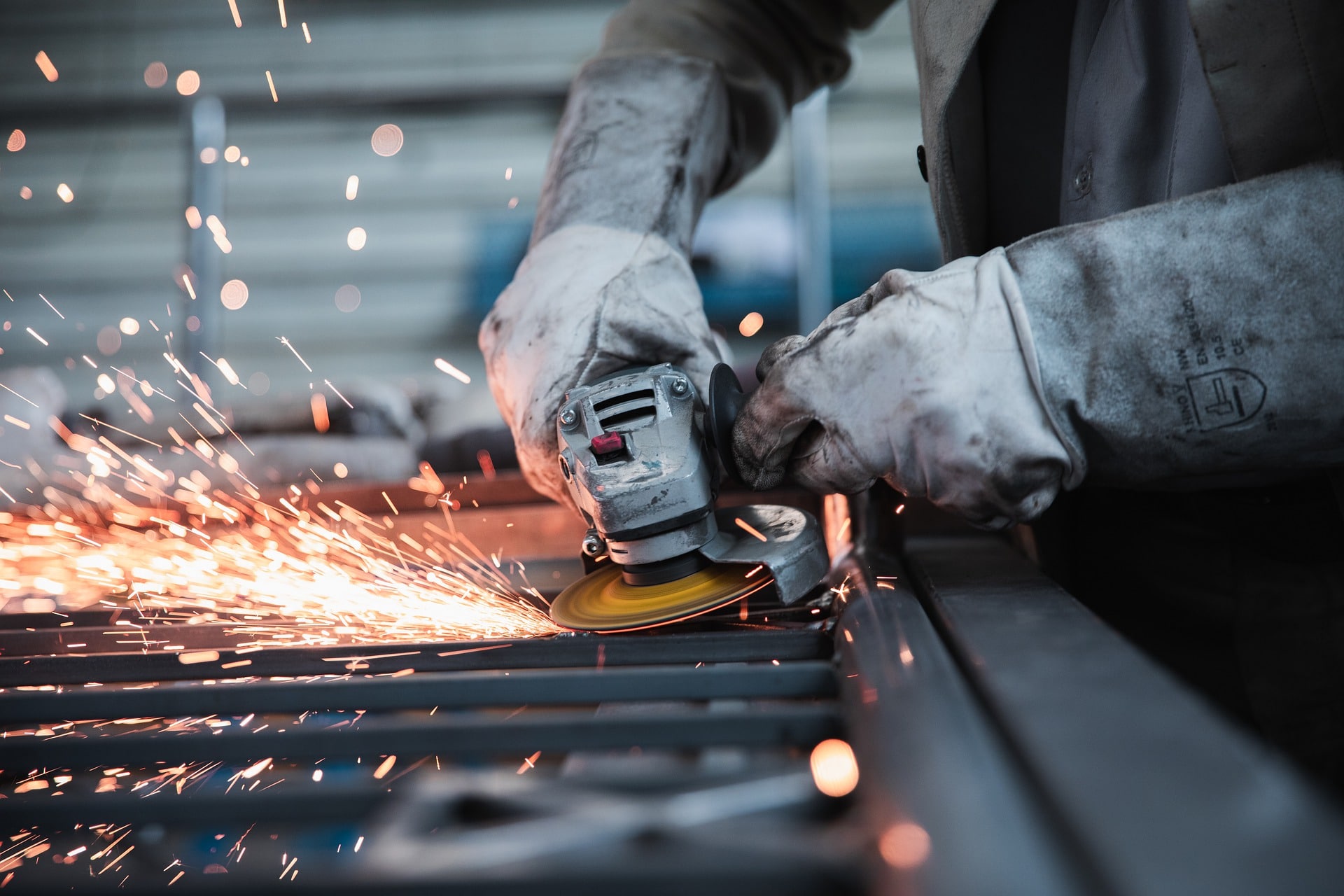
Some of the tools that can give off enough vibration to cause VWF include jackhammers, grinders, breakers, jigsaws, and hand held power tools. This list is not exhaustive, and any power tool has the potential to cause VWF.

As people who use power tools for a living will be particularly susceptible to VWF as they are using them daily for long periods of time, employers have a duty to inform employees of the risks associated with the work and to provide adequate safety equipment, such as vibration-absorbing gloves.

Other ways to help prevent VWF include:

  • Taking regular breaks from using vibrating tools
  • Ensuring tools have a regular maintenance schedule and are in good order
  • Undertaking training to ensure you are using tools in the correct way
living with vibration white finger/hand-arm vibration syndrome

Living with Vibration White Finger/Hand-Arm Vibration Syndrome

There is no cure for VWF/HAVS, so many people find themselves having to live with the condition. According to SRUK, a charity for those suffering with the condition, the key to managing the condition is to try and prevent an attack of the symptoms. They state that the best ways to do this include:

  • Keeping warm
  • Relaxing and pacing yourself
  • Try to steer clear of stressful situations
  • Avoid vasoconstricting drugs (nasal decongestants, agents used to treat ADHD, some medications used to treat migraines
  • See the Doctor, as they can prescribe certain medicines to help with the condition

VWF may not be the most debilitating industrial disease, but it can still affect how people can use their hands, as it can limit mobility for hours at a time. If you have Vibration White Finger, then you may be able to claim compensation.

Claiming for VWF/HAVS

The Control of Vibration at Work Regulations 2005 stipulates employers have a responsibility to protect their employees. Additionally, the law places a duty on employers to minimise the risks common to hand-operated vibration machinery including power tools. Therefore, your employer should take steps to reduce the risk of developing Hand-Arm Vibration Syndrome.

How we Can Help

Here at The Compensation Experts we work with solicitors who have years of experience dealing with industrial disease claims. This includes Vibration White Finger/Hand-Arm Vibration Syndrome. Contact us today by filling in our contact form. Or call us on 01614138765 to speak to one of our friendly knowledgeable advisors.

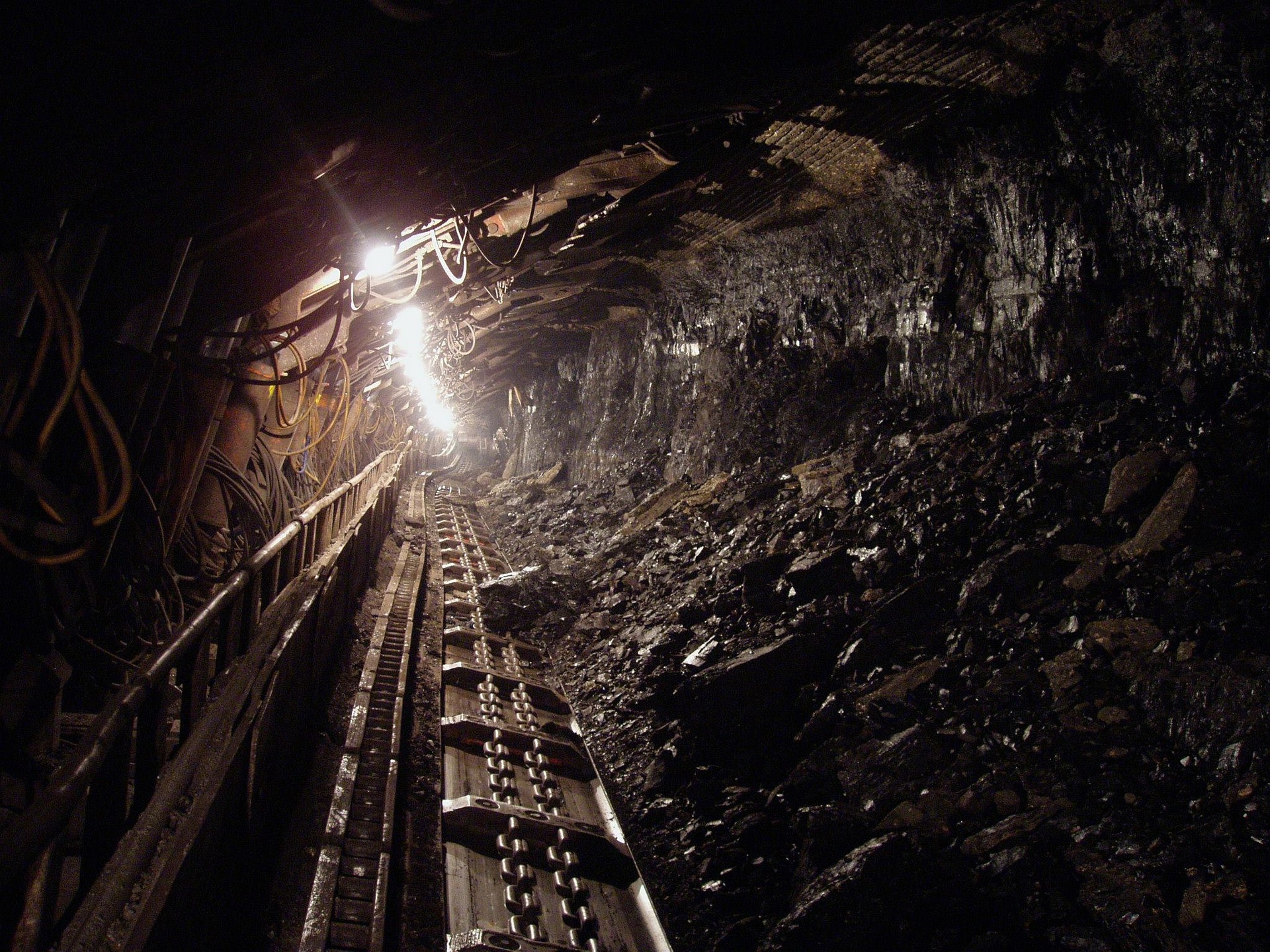
A mining company has been found guilty of breaching health and safety laws after an employee was badly injured in a crush accident, according to reports. The accident happened after cheap wooden roof supports gave way.

The director of the company, Three D’s Mining Ltd previously dismissed the miners’ concerns over the use of untested pallet boards to support the roof. The jury at Swansea Crown Court found the company guilty of failing to ensure the safety and welfare of employees and failing to carry out adequate risk assessments of the structure.

The roof should have been supported by horizontal bars no less than 2.4in (63.5mm) thick, but that in the summer of 2017 the company had started using pre-cut pallet boards which were as thin as 0.78in (20mm) in some places.

 A worker was injured after the structure collapsed. He was trapped by a lump of rock that fell and has been unable to work since. He also has health issues after suffering three fractures to his back.

crush accident in mine

Falling Objects Crush Accident

Crush injuries can occur in any situation. However, they are most common in workplaces.

Crush injuries can occur when a heavy load collapses trapping someone beneath. For example, materials falling from a warehouse shelf or collapsed structures on a building site. The object does not have to fall very far to cause serious injury.

Employers are responsible for keeping the work environment as safe as possible. They must also supply Personal Protective Equipment (PPE) to protect workers from this type of injury. An employer may be liable for injuries you sustain if they fail to supply hard hats, steel toe-capped boots, and so on. They may also be liable if they fail to carry out risk assessments of the working environment, which is what happened in the case involving the miner.

Your Employers Responsibility

It is your employer’s responsibility to ensure you are safe at work. This means that they must follow correct health and safety guidelines to minimise the risk of accidents and to keep all their employees safe. They must carry out adequate and frequent risk assessments on the machinery and equipment. They must also make sure that staff training is always up to date.

If your employer does not follow the correct health and safety guidelines, such as the Manual Handling Regulations and the Health and Safety at work regulations, and you have an accident whilst at work, then you may be able to make a claim. All employers must have Employer’s Liability insurance. This covers the business in case accidents at work happen. If you have had an accident and make a claim, then it is the insurance that pays the compensation.

How We Can Help

Here at The Compensation Experts we work with solicitors who have years of experience dealing with personal injury claims. This includes accidents at work. Contact us today by filling in our contact form. Or call us on 01614138765 to speak to one of our friendly knowledgeable advisors.

With an increasing amount of ways to save for retirement or diversify your investment portfolio, pensions can be a confusing topic. Fortunately, by analysing Google search data between 1st May 2020 and 30th April 2021, we’ve been able to determine the top pension questions posed by Brits – and answer each!

Are pensions taxable?

With an incredible 5,760 annual Google searches of ‘are pensions taxable?’, Brits are clearly concerned about the tax implications of taking out a pension. Similarly, ‘how are pensions taxed?’ is posed by a further 2,040 people, each and every year. But what’s the reality?

To offer clarity: your pension is treated as earned income, and is subject to income tax. However, it’s important to remember that you’re usually able to withdraw 25% of your pension pot as a tax-free lump sum as soon as you turn 55.

Are pensions worth it?

To answer the 3,840 yearly Google searches of ‘are pensions worth it?’: in short, yes. Paying into a workplace pension is a tax-efficient way of preparing your finances for retirement. Even better, your employer is obliged to top up your pension pot with a contribution of at least 3% of your salary each month.

Can I inherit my husband’s state pension?

One of the most pressing pension concerns in Brits is in relation to spousal payments, with 2,620 typing into Google ‘can I inherit my husband’s state pension?’, and a further 1,080 wondering ‘can pensions be inherited?’. Generally speaking, if your husband, or wife, passes away, you will be eligible to inherit at least some part of their pension plan. However, there are currently some specific criteria:

  1. You must have been married before 6 April 2016.
  2. Your partner must have reached state pension age before 6 April 2016 OR would have reached state pension age by this date.

If you remarry before you reach state pension age, you will not be eligible to inherit your partner’s pension.

Pensions: can you cash them?

With a resounding 2,040 yearly Google searches for ‘pensions can you cash them?’, and an additional 1,320 for ‘can pensions be cashed in?’, there’s clearly intrigue among Brits around whether it’s possible to make our savings go a little further than our pension plans allows.

To address both queries, you can cash in 25% of your entire pension savings once you reach the age of 55, as a tax-free lump sum. After this, you can continue to withdraw the remaining 75%, but you will have to pay the standard tax rates (as well as any withdrawal charges outlined by your pension provider).

Are private pensions safe?

‘Are private pensions safe?’ is a valid concern, held by 1,680 yearly Google searches, and perhaps many more up and down the country. Fortunately, all personal pension pots are protected by the Pension Protection Fund (PPF), which covers up to 100% of your payments should your employer goes bust.

Pensions: where to start?

The great thing about paying into a workplace pension is that a lot of the work is done for you; to address the 840 annual Google searches of ‘pensions where to start?’, your employer will usually automatically enrol you into a scheme once you earn a salary of over £10,000.

If you’re not automatically enrolled, it’s well worth having a chat with your company to put you on a plan. Not only will you benefit from your own contributions, but also contributions made by your employer. Additionally, while you’ll not cash in your pension until you’re at least 55, it’s advised you start making steady savings as early as possible.

How pensions are divided in divorce

Divorce brings about many financial queries, questions, and concerns, including ‘how pensions are divided in divorce’, which is pondered by 840 Google searchers each year. Firstly, you can make an informal spousal agreement to protect each of your pensions in the event of divorce – this will need to be officially documented to hold any merit, however.

Alternatively, there may be a split. This can either come in the form of a pension transfer, or one of your can offset the value against other assets you share. For instance, you may agree that one of you gets a greater share in the family home in exchange for the other keeping all of their pension.

Finally, if you’re not married at all, no matter how long you’ve been together, you have no legal basis to claim any of your partner’s pension upon separation.

Pensions are clearly high on the agenda of Brits, contemplating their future finances. However, not every plan are a sure thing, with some mis-sold pension schemes or investment opportunities costing savers lifechanging sums. If this sounds a familiar scenario, get in touch for advice around how we can help you claim the compensation you deserve. Or head on over to our blog for even more expert guidance.

Police are investigating a crash between an E-scooter and a vehicle in Wolverhampton. The crash left the e-scooter rider and a passenger with serious injuries. The rider of the E-scooter and a passenger are both in hospital after the e-scooter accident.

Police appealed for help in a statement released after the accident:

‘We’re appealing for witnesses after a man riding an e-scooter was critically injured in a collision with a car in Wolverhampton. The 20-year-old man riding the e-scooter was taken to hospital to be treated for a serious head injury, while a woman, aged 19, believed to have been a passenger on the e-scooter was also seriously injured. The woman driving the car was not hurt.

‘Officers are carrying out CCTV and house-to-house enquires and are appealing for anyone who saw what happened or who has dashcam or other footage, to get in touch’.

News of the incident comes amid a rise in popularity of electric scooters, also known as e-scooters. The e-scooters top speed is typically 25mph, though some can reach double that. Under current legislation, it is illegal to ride privately owned e-scooters on public roads, pavements, or cycle lanes. In the cities that have the e-scooter trials, people who have rented the scooters can ride them on roads only, and cycle lanes.

e-scooter accident

E-Scooter Accidents

Many cities in the UK are now holding trials of e-scooters. However, there have been reports of accidents in other cities. The latest figures show that more than 70 people have been injured in accidents involving e-scooters. Transport bosses have suggested that e-scooters could be 100 times more dangerous than bicycles, while campaigners insist that they are terrorising people on pavements.

Due to the fact that E-scooters must meet the same standards as motor vehicles, if you have an accident involving an electric scooter then you may be able to make a claim. This is true if you are riding an e-scooter or if an e-scooter hits you as a passenger.

If you have an electric scooter accident as a passenger then you may be able to make a claim. You may also be able to make a claim if you were riding an e-scooter and you have an accident involving a car. There are other examples where the person riding the scooter is uninsured or untraceable. In these cases, you may still be able to make a claim. The Motor Insurers’ Bureau deal with compensation claims for people who have accidents with uninsured or untraceable drivers.

How we can Help if You Have Had an E-Scooter Accident

Here at The Compensation Experts we work with solicitors who have years of experience dealing with personal injury claims. This includes electric scooter accidents. If you have had an e-scooter accident, contact us today by filling in our contact form. Or call us on 01614138765 to speak to one of our friendly knowledgeable advisors.
Amazon have been in the news recently, as a report found that accidents in their US warehouses are 80% higher than their competitors. There were also reports last year by the GMB union that there were hundreds of workers injured in their UK warehouses.

The union-backed study in the US blamed Amazon’s “obsession with speed” as a main cause of the problem. In a statement, Amazon said it invested more than $1bn (£705.9m) in workplace safety last year, growing its safety team to more than 6,200 people.

“While any incident is one too many, we are continuously learning and seeing improvements through ergonomics programs, guided exercises at employees’ workstations, mechanical assistance equipment, workstation setup and design, and forklift telematics and guardrails – to name a few,” a spokesman said.

He also pointed towards its “WorkingWell” wellbeing programme, something Amazon boss Jeff Bezos highlighted in his recent shareholder letter in which he committed to reducing workplace injuries.

Accidents in Warehouses

Accidents in Warehouses

Warehousing accidents are one of the most common types of accident at work. In the warehousing industry, there were over 23,000 injuries at work in 2019/20 according to the Health and Safety Executive. There are some injuries that are more common than others, with lifting and handling accidents being the most common. These injuries accommodated for 19% of injuries to workers in warehouses in 2019/20.

Lifting and Handling

Lifting and handling accounted for the most accidents to warehouse staff. When you are lifting and handling at work, your manager must make sure you are following the manual handling rules. This is to minimise the risks of accidents at work, and keep employees safe. One of the biggest aspects of the manual handling regulations is carrying out risk assessments.

Your Employers Responsibility

It is your employer’s responsibility to ensure you are safe at work. This means that they must follow correct health and safety guidelines to minimise the risk of accidents and to keep all their employees safe. They must carry out adequate and frequent risk assessments on the machinery and equipment. They must also make sure that staff training is always up to date.

If your employer does not follow the correct health and safety guidelines, such as the Manual Handling Regulations and the Health and Safety at work regulations, and you have an accident whilst at work, then you may be able to make a claim. All employers must have Employer’s Liability insurance. This covers the business in case accidents at work happen. If you have had an accident and make a claim, then it is the insurance that pays the compensation.

How We Can Help with Accidents in Warehouses

Here at The Compensation Experts we work with solicitors who have years of experience dealing with personal injury claims. This includes accidents in warehouses. Contact us today by filling in our contact form. Or call us on 01614138765 to speak to one of our friendly knowledgeable advisors.

A company and it’s director were both recently sentenced and fined for an accident at work that caused tetraplegia. The sentencing took place at Chelmsford Magistrates Court. The judge found the company guilty of offences under the Health and Safety at Work etc Act 1974 for the incident.

The managing director of Dickies Pet Centre was unloading a pallet of pet bedding from a delivery lorry on a forklift truck. The forklift truck lifted the load with its lifting forks too closely spaced together, so that they went into the wrong apertures in the pallet and could not support it properly when lifting it. Mr Ellwood then manoeuvred the truck away from the lorry and back around with the forks still raised. The load of bedding, which weighed more than 800Kg, and was more than 2.5 metres tall, fell from the pallet onto the delivery lorry driver.

The lorry driver, a previously very active man, sustained life-changing injuries as a result. He had fractures to his neck vertebrae, which have rendered him tetraplegic. He cannot move from the neck down and has a permanent need for 24-hour care to assist him with everyday tasks, even breathing.

Dickies Pet Centre did not complete a risk assessment or did not have a safe system of work for the unloading of delivery vehicles. Mr Ellwood had not been trained in the operation of forklift trucks since 2005. They had also been operating the forklift truck without access to any copy of the manufacturer’s manual.

Wheelchair User

The Company Were Originally Dishonest About the Accident at Work that Caused Tetraplegia

In court, defence counsel accepted that the defendants had acted dishonestly during the investigation. They said that, whilst Mr Ellwood did not set out to cause an accident or injury, his actions, or lack of actions, led to the injury to the lorry driver.

After the incident Mr Ellwood told the independent safety investigator that the load had fallen because the pallet had broken. He did not admit the real reason was the wrong spaced forks going into the wrong apertures in the pallet. Later he told a different story, also blaming the pallet, and also concealing the misplacing of the forks. He told this incorrect story to the local authority when making a statement under caution.

The company had to pay a fine of £115,000 and costs of £70,000. The director must complete a 12 month Community Order with a 200 hour unpaid work requirement.

What is Tetraplegia?

Tetraplegia is a paralysis in the arms and legs. The cause is damage higher up on the spinal cord. It causes the signals from the brain to the body to restrict. It can also affect the chest muscles, which can cause breathing difficulties.

Tetraplegia is a very serious condition. It is life changing and can affect both you and those around you. You may also have some worries about the future in terms of your finances. Whilst claiming compensation may not be the first thing on your mind, it may help to ease your mind.

If you have had an accident at work that causes tetraplegia, then you may be able to claim compensation. This is especially true if the accident was someone else’s fault.

How We Can Help with Accidents at Work that Cause Tetraplegia

Here at The Compensation Experts we work with solicitors who have years of experience dealing with personal injury claims. This includes accidents at work that cause tetraplegia. Contact us by filling in our contact form. Or call us on 01614138765 to speak to one of our friendly knowledgeable advisors.

The director of a company in Sheffield has been fined for safety breaches after a young worker suffered a fall from height in an accident at work. The worker, who was 17-years-old, fell from a mezzanine floor to the ground below. The worker and two others were building the mezzanine floor at a site in Sheffield, and they stepped on a loose board and fell 2.8 metres.

An investigation by the Health and Safety Executive (HSE) found that safety nets had not been put in place before boarding commenced. No other fall from height protection was present to prevent or mitigate falls through the mezzanine floor.

Wayne McKnight (trading as RJE Construction) paid a fine of £500 and costs of £1,300.

HSE inspector Sarah Robinson commented: “Falls from height often result in life-changing or fatal injuries, which thankfully did not eventuate here. In most cases, these incidents are needless and could be prevented by properly planning the work to ensure that effective preventative and protective measures are in place. This incident could have easily been prevented if the company had installed safety nets prior to work starting on the mezzanine.”

fall from height in an accident at work

Claiming Against Your Employer for A Fall from Height in an Accident at Work

It is your employer’s responsibility to keep you safe from falling from a height at work. This means that they must make sure you have the correct training and equipment to be able to do your job correctly. Risk assessments must also be carried out, to ensure the job is done safely. This is especially important when working from height.

If your employer has not followed the guidelines to keep you safe at work, or has done so incorrectly, you may be able to claim fall compensation. We understand that you may feel uneasy about claiming against your employer, however all employers must have employer’s liability insurance. This covers the costs of accidents at work, including falling from height. It is the insurance company who would pay the fall compensation. This means your employer would not be directly out of pocket.

Claiming on Behalf of a Minor

There may be some cases where the person who has the accident at work is under 18. This was the case with the 17-year-old who had a fall from height at work. If this is the case, then a parent or guardian may be able to make a claim on their behalf.

The time limits are also different in cases which involve a minor. Usually, when someone has an accident, they have three years from the date of the accident to make a claim. In cases where a minor has an accident, the time limit extends until they turn 21.

If this happens, then a parent or guardian may make the claim on their behalf until they turn 18. Then, after they turn 18, they have until they turn 21 to make the claim themselves.

How We Can Help

Here at The Compensation Experts, we work with solicitors who have years of experience in personal injury claims. This includes falls from height and accidents at work. Contact us today by filling in our contact form. Or call us on 01614138765 to speak to one of our friendly knowledgeable advisors.
With overnight stays now allowed in much of the UK, and many people being advised to not travel abroad, there is set to be a boom in UK travel, and staying in UK accommodation. But with this, the number of accidents in UK hotels may rise.

accidents in uk hotels

Occupier’s Liability Accidents in UK Hotels

Any private premises in the UK has an owner; someone who is responsible for keeping people who visit the premises safe. Private premises can be anything from shops to car parks. They also include UK hotels and other accommodation. Occupier’s liability is the area of law that deals with this duty of care and occupier’s liability accidents. It concerns anyone who owns a property that the public can visit.

Some common occupier’s liability accidents in UK hotels include:

  • Slipping on wet surfaces with no wet floor sign
  • Tripping over uneven floors or obstacles left in walkways
  • Accidents in car parks due to bad lighting
  • Malfunctioning lifts and automatic doors

These causes of accidents are easy to avoid. The owner of the premises should ensure that they put measures in place to avoid accidents like this from happening. They must ensure they follow rules set out in the Occupiers Liability Act 1957 to minimise the risk of accidents happening. If they fail to do this then they may be liable if someone has an accident on their premises.

Children’s Accidents in UK Hotels

Some of the most common occupier’s liability accidents involve children. This is no different for accidents in UK hotels. If children are visiting a UK hotel, then the owner must take extra care to minimise the risk of them having accidents. This is because children tend to be less careful than adults, which leads to more accidents.

If your child has an accident in a private place, then you may be able to make a claim on their behalf. If the child is under 18 then a parent or guardian may make the claim for them. They are known as a litigation friend. Any compensation will be held in a trust until the child turns 18.

The time limits for making a claim on behalf of a child slightly differ from those of an adult. Usually, the time limit for making a personal injury claim is three years from the date of the accident. However, where the accident involves a child, a parent or guardian may make a claim on their behalf until they turn 18. Once the child turns 18, they then have until their 21st birthday to make a claim for themselves.

How We Can Help

Here at The Compensation Experts we work with solicitors who have years of experience dealing with all manner of personal injury claims. This includes accidents in UK hotels, and other occupier’s liability claims. If you have had an accident of this kind, contact us today by filling in our contact form. Or call us on 01614138765 to speak to one of our friendly knowledgeable advisors.

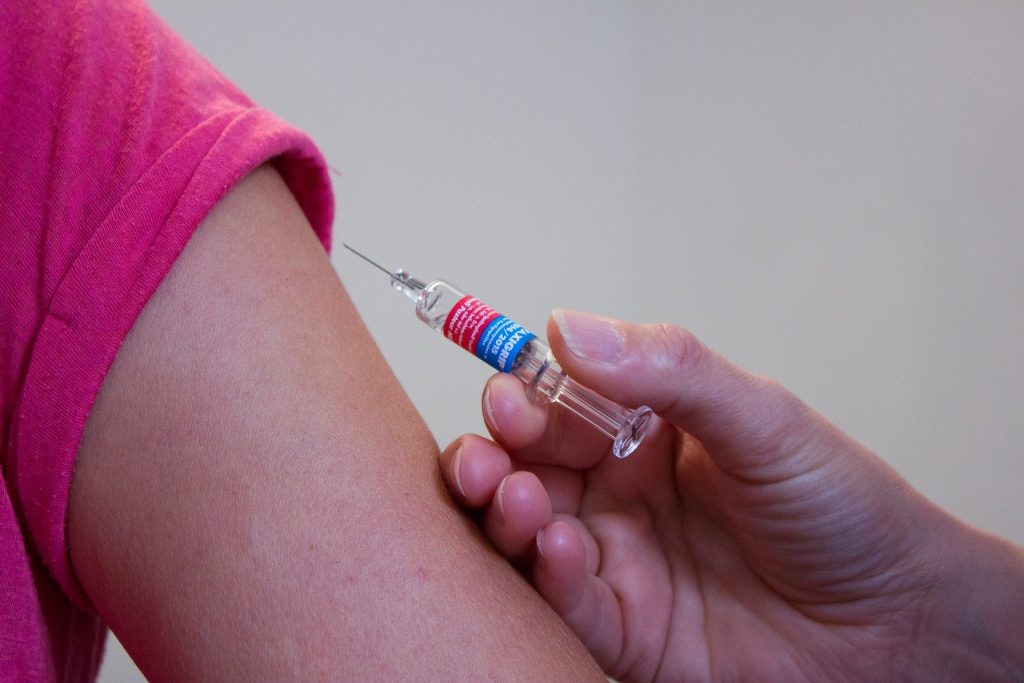
According to recent reports, there has been a rise in needlestick injuries amongst nurses giving out COVID-19 vaccines. The Royal College of Nursing (RCN) said a survey of more than 7,500 of its members showed that 15% had suffered a so-called “sharps” injury in 2020 compared with 10% in 2008.

The reasons for the rise in needlestick injuries include: the pandemic causing fatigue, low staffing levels, lack of training and safer sharps and sharps bins not being available.

Jude Diggins, RCN Interim Director of Nursing, Policy and Public Affairs said: “These findings suggest the pandemic has highlighted a problem that has not been fully tackled yet. Most sharps injuries can be prevented and there are legal requirements on employers to take steps to prevent healthcare staff being exposed to infectious agents from sharps injuries.”

Rose Gallagher, RCN Professional Lead for Infection Prevention and Control, added: “In 2013 new regulations were brought in to reduce sharps injuries but these findings suggest there is still some way to go to protect all parts of the nursing workforce. We now need to see greater efforts for better reporting and training to not only prevent injuries but to ensure there are stronger procedures to follow up and protect nursing staff after injuries.”

rise in needlestick injuries

Needlestick Injuries

A needlestick injury happens when a contaminated needle goes through the skin. Needlestick injuries are also often known as ‘sharps injuries. Needlestick injuries can be very serious if, for example, a needle has taken infected blood and it accidentally pierces someone’s skin, the infection could be transmitted to that person.

What is the most common cause of needlestick injury?

There are lots of different causes of needlestick injuries across different sectors. Needlestick accidents at work can happen in any job that involves handling needles, but some of the most common causes of needlestick injuries include:

  • Incorrectly disposing of used needles
  • Lack of training on correct use of needles
  • Not having the right equipment to dispose of needles
  • Lack of protective clothing or equipment
  • Defective equipment
  • Fatigue after doing long hours

Hospital workers are particularly vulnerable to this kind of accident. The NHS has a needlestick injury protocol, with which you should familiarise yourself. The Health and Safety (Sharp Instruments in Healthcare) Regulations 2013 also apply to the healthcare sector.

What to do if you get a needlestick injury?

If you suffer a needlestick injury, the NHS guidelines encourage you to wash the wound with soap and running water. This encourages the wound to bleed. You should seek medical advice to find out if you need treatment to reduce the risk of infection.

As soon as you’ve received appropriate medical care, record the injury in your workplace accident log. As with any workplace injury, reporting needlestick injuries is important. Reporting a needlestick injury means that your employer is aware of the issue. It also means you have a record of the accident.

How We Can Help with the Rise in Needlestick Injuries

Here at The Compensation Experts we work with solicitors who have years of experience in dealing with personal injury claims. This includes needlestick injury claims. Contact us by filling in our contact form. Or call us on 01614138765 to speak to one of our friendly knowledgeable advisors.

According to recent reports, two men were involved in a fall from height at work at a Liverpool site. The accident proved instantly fatal for one of the workers. The second worker was taken to hospital and, after days in a critical condition, has now also died.

The workers, who were father and son, were working on site when a mast climber collapsed, causing them both to fall. Contractor Laing O’Rourke had been carrying out waterproofing works at the Unity Building on Chapel Street, a mixed-use residential and commercial development of 27 and 16 storeys respectively.

fall from height

Suffering a Fall from height

There are many industries where you may need to work above ground level, which comes with the risk of a fall from height. The further you are from the ground, the more dangerous your working conditions are, so your employer has a duty to make sure you are less at risk of falling from height. If you work in one of these industries, then it is the responsibility of your employer to make sure that you are kept safe, and they must follow the Work at Height Regulations 2005.

  • Construction
  • Window cleaning
  • Architecture
  • Roofing
  • Engineering
  • Warehouses
  • Retail

All these industries involve some form of working at elevation. This means they require correct and thorough training to ensure employees are kept safe from falls from height at work. However, they are, of course, not the only industries that see falls from height. Accident claims are also made from employees falling down stairways.

It is your employer’s responsibility to keep you safe from falling from a height at work. This means that they must make sure you have the correct training and equipment to be able to do your job correctly. Risk assessments must also be carried out, to ensure the job is done safely. This is especially important when working from height.

If your employer has not followed the guidelines to keep you safe at work you may be able to claim. We understand that you may feel uneasy about claiming against your employer, however all employers must have employer’s liability insurance. This covers the costs of accidents at work, including falling from height. It is the insurance company who would pay the fall compensation, so your employer would not be directly out of pocket.

Claiming on Behalf of Someone Else

Unfortunately, due to the nature of these accidents, you may be in a situation where a loved one has sadly lost their life due to falling from height. Or they might be unable to make a claim for themselves. If a loved one is dependent on you, or if they suffered a fatal accident, then you may be able to claim compensation on their behalf.

We understand that it is a difficult situation when an accident has caused the death of a loved one, and we also understand that it may not be very easy to talk about. However, the solicitors we work with are here to help; they can help address the financial burden you may have been left with due to your loved one’s accident. They can also help you recover from it.

How We Can Help

Here at The Compensation Experts we work with solicitors who have years of experience dealing with personal injury claims. This includes falling from height at work. Contact us by filling in our contact form. Or call us on 01614138765 to speak to one of our friendly knowledgeable advisors.